


You may have seen the letters CRNP after a healthcare provider’s name and wondered what they actually mean.
It is a small title, but it represents years of advanced training, patient care, and clinical responsibility.
So, what is a CRNP, and why might you see one instead of a doctor during an appointment?
For many patients, that question comes up only after a CRNP walks into the exam room, listens closely, checks symptoms, and starts discussing treatment.
The experience can feel familiar, yet the role itself is often misunderstood.
Understanding who they are can make your next visit feel less confusing and more comfortable.
What is a CRNP?
CRNP stands for Certified Registered Nurse Practitioner.
It is a registered nurse who has completed advanced graduate-level education and passed a national certification exam.
CRNPs are trained to diagnose illnesses, order tests, prescribe medications, and treat patients, often without a doctor in the room.
They work across hospitals, clinics, schools, and private practices.
Think of them as highly trained nurses with many of the same clinical powers as a physician. The title “CRNP” is used mainly in states like Pennsylvania and Alabama.
What Does a CRNP Do?
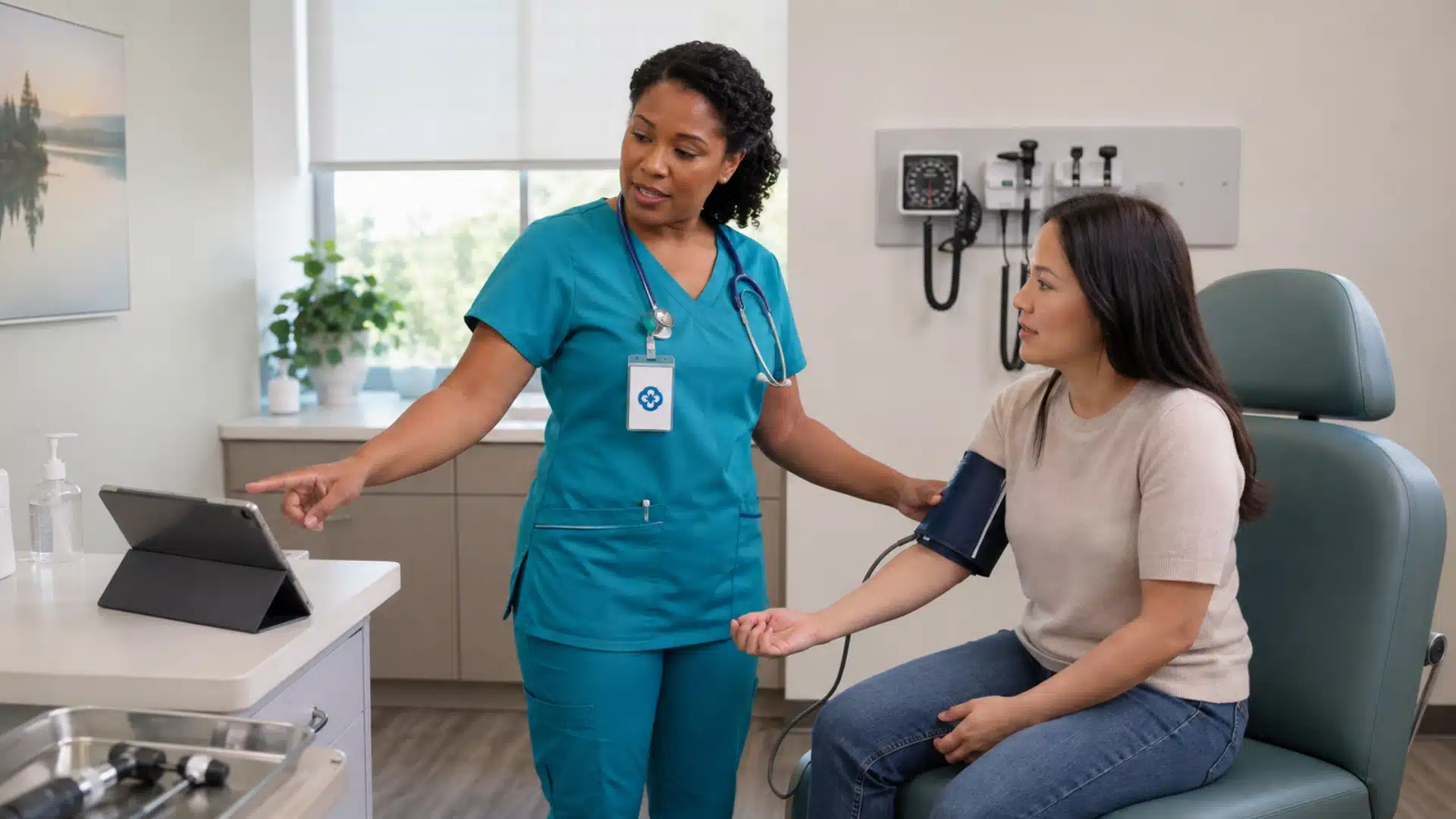
CRNPs provide direct patient care across many healthcare settings, from routine checkups to ongoing condition management.
Their responsibilities combine assessment, diagnosis, treatment, education, and coordination of care.
-
Assessing patients: CRNPs evaluate symptoms, vital signs, and overall health to identify concerns and determine appropriate next steps.
-
Taking medical histories: They collect details about illnesses, surgeries, medications, allergies, family history, and previous treatments to guide care.
-
Performing physical exams: CRNPs perform physical examinations to check body systems, detect abnormalities, and monitor changes in a patient’s condition.
-
Diagnosing certain conditions: They use symptoms, exam findings, and test results to diagnose illnesses within their professional scope of practice.
-
Developing treatment plans: CRNPs create individualized treatment plans that may include medications, therapies, lifestyle changes, follow-up care, or referrals.
-
Ordering and interpreting diagnostic tests: They order laboratory tests, imaging, and other diagnostic procedures, then review the results to guide treatment decisions.
-
Prescribing medications where allowed: CRNPs may prescribe medications based on patient needs, their clinical authority, and applicable state practice regulations.
-
Managing chronic conditions: They monitor long-term conditions such as diabetes or hypertension and adjust care plans as patients’ needs change.
Where Do CRNPs Work?
CRNPs work in many different health care settings. The table below shows common places where CRNPs work:
|
Setting |
What It Looks Like |
|---|---|
|
Hospitals |
Treat patients with a wide range of medical needs |
|
Primary care clinics |
Handle routine checkups and ongoing health concerns |
|
Specialty practices |
Focus on one area, such as heart or skin care |
|
Outpatient centers |
See patients for same-day visits and procedures |
|
Community health centers |
Serve local neighborhoods, often with limited access to care |
|
Long-term care facilities |
Care for older adults or patients with chronic illness |
|
Urgent care |
Treat minor injuries and illnesses on short notice |
|
Private practices, where permitted |
Run their own clinic and manage patient care directly |
Each setting gives CRNPs a chance to serve different patient groups. The setting often shapes their daily routine and duties.
How to Become a CRNP?
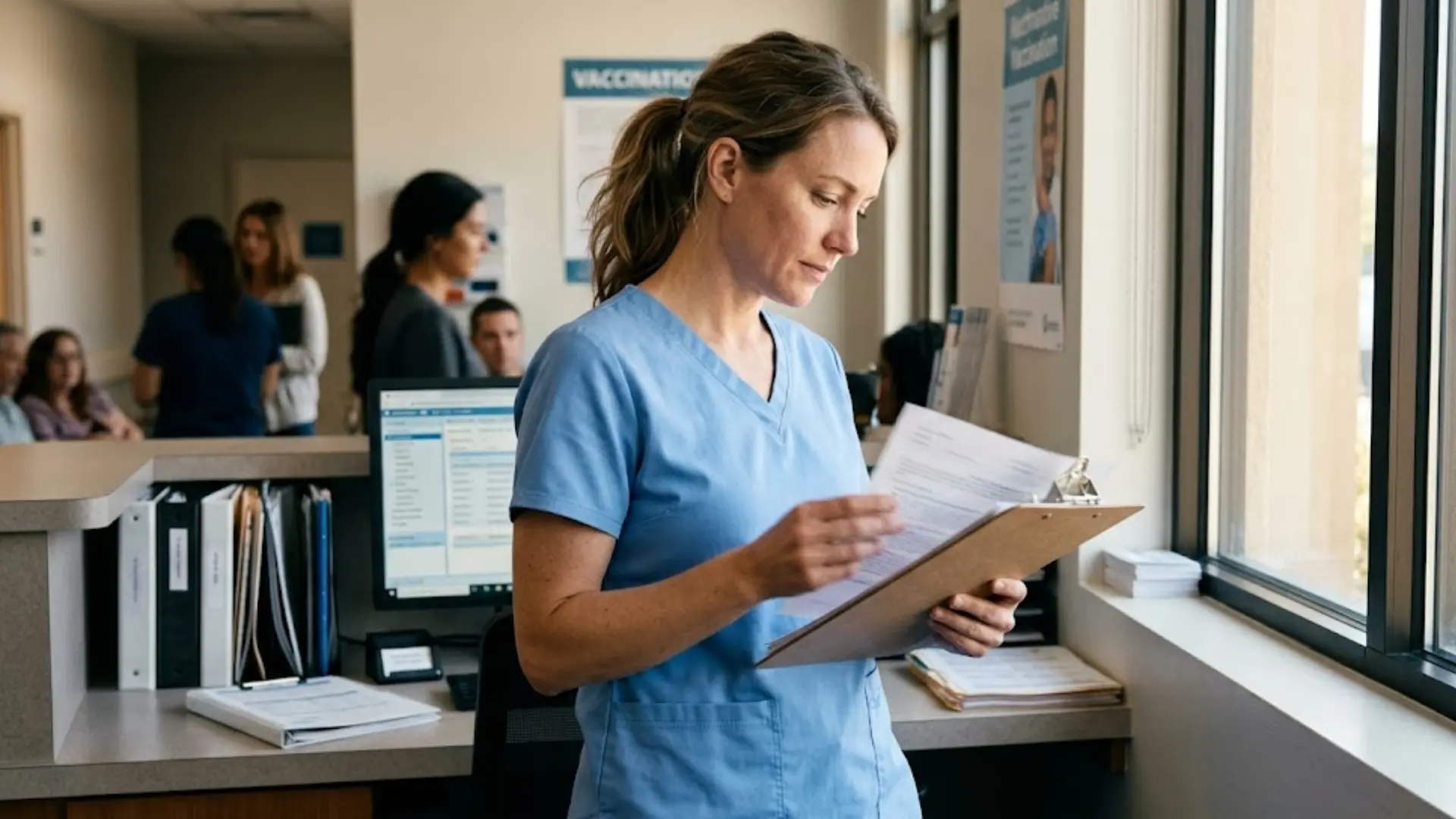
Becoming a Certified Registered Nurse Practitioner requires deliberate academic preparation, hands-on clinical experience, and meeting strict credentialing standards.
Here’s a clear breakdown of each step in the process:
-
Earn a nursing degree: Choose an ADN (faster) or a BSN (stronger foundation), then pass the NCLEX-RN exam to become licensed.
-
Gain clinical experience: Most graduate schools expect one to two years of bedside practice in settings like ICUs, emergency departments, or outpatient clinics before accepting applicants.
-
Complete an advanced nursing program: Earn either an MSN (2-3 years, standard entry-level credential) or a DNP (3-4 years, terminal degree with a leadership focus), both including supervised clinical hours.
-
Obtain national certification: Pass a specialty-specific exam like FNP-C, FNP-BC, PMHNP-BC, or AGPCNP-BC, and renew every five years through continuing education and clinical hours.
-
Meet state licensure requirements: Apply through your State Board of Nursing, complete background checks, degree verification, and a collaborative agreement if your state lacks full practice authority.
Always verify current requirements directly with your state’s Board of Nursing, as regulations vary.
CRNP Certification and Licensure
Becoming a CRNP takes more than finishing a degree program. There are two key steps to complete before starting practice. First, CRNPs must earn a national certification in their chosen specialty.
This certification confirms they have the right skills and knowledge. Second, CRNPs must get licensed through their state’s nursing board.
Licensure gives them legal permission to practice in that state. Certification and licensure are not the same thing, though they work together.
Certification focuses on clinical skills within a specialty area. Licensure focuses on the legal right to practice in a specific state.
Together, these steps prepare CRNPs to safely and legally care for patients.
Types of CRNP Specialties
CRNPs practice across a range of specialties. Each one focuses on a different patient group and set of needs. Here is a look at the most common types:
-
Family Nurse Practitioner (FNP): Primary care for patients of all ages, covering routine checkups, chronic disease management, and preventive care.
-
Pediatric Nurse Practitioner (PNP): Health management for infants, children, and adolescents, including developmental assessments and childhood illness treatment.
-
Adult-Gerontology Nurse Practitioner (AGNP): Chronic illness management and long-term care coordination for adults and aging populations.
-
Psychiatric-Mental Health Nurse Practitioner (PMHNP): Diagnosis and treatment of psychiatric conditions, including medication management and therapeutic support.
-
Acute Care Nurse Practitioner (ACNP): Complex, high-acuity patient care in hospital settings such as ICUs, emergency departments, and surgical units.
-
Women’s Health Nurse Practitioner (WHNP): Reproductive health, gynecological screenings, prenatal and postpartum care, and menopause management.
Each specialty requires its own training and certification path. This helps CRNPs build great skills for the patients they serve.
CRNP Salary and Job Outlook
CRNPs are among the highest-paid advanced practice nurses in the country, and demand for them is only growing. Pay varies based on experience, specialty, and location.
The numbers below show what CRNPs can expect to earn:
|
Category |
Detail |
Trend |
|---|---|---|
|
Entry-Level CRNP |
$95,000 – $105,000 |
Steady starting pay |
|
Mid-Level (5+ years) |
$130,000+ |
Rises with experience |
|
Senior/Top Earners |
$150,000+ |
Keeps climbing over time |
|
Psychiatric Mental Health NP |
$130,000 – $140,000 |
Growing fast |
|
Acute Care NP |
$128,000 – $138,000 |
Tied to hospital demand |
|
Family Nurse Practitioner |
$110,000 – $120,000 |
Steady, nationwide demand |
|
Highest-Paying States |
California, New Jersey, Washington, New York, Massachusetts |
Pay stays high here |
|
Key Demand Drivers |
Aging population, doctor shortage, wider acceptance of CRNPs |
Pushing demand higher |
The numbers show CRNPs have strong earning potential and job security. This makes the role a solid choice for many nurses.
The Role of a Nurse Practitioner in Healthcare
Nurse practitioners are a core part of modern healthcare, not a backup option.
They serve as primary care providers for millions of patients, especially in rural and underserved areas.
They manage chronic conditions, run their own clinics, and handle everything from routine checkups to urgent care.
In hospitals, they work alongside physicians in emergency rooms and intensive care units. They bring high-quality care to more people, in more places, at a lower cost.
Nurse Practitioner vs Doctor: What’s the Difference?
CRNPs and doctors both play key roles in patient care. Their training and duties differ in a few important ways; the table below breaks down the main differences:
|
Factor |
CRNP |
Doctor (MD/DO) |
|---|---|---|
|
Education Path |
BSN + MSN/DNP |
Bachelor’s + Medical School + Residency |
|
Training Time |
7 to 12 years |
11 to 15 years |
|
Diagnose & Treat |
Yes |
Yes |
|
Prescribe Medication |
Yes |
Yes |
|
Complex Surgery |
No |
Yes |
|
Independent Practice |
In most states |
Yes |
|
Collaboration Required |
Some states |
No |
|
Average Salary |
$124,000 |
$200,000+ |
Both roles are vital parts of the health care system. Knowing the difference helps patients choose the right provider.
Conclusion
This wraps up the key facts about CRNPs and their role in care. After years of hands-on training, these nurses diagnose, treat, and prescribe.
They help fill gaps in care, especially where doctors stay booked or scarce. You might meet a CRNP at a clinic, hospital, or urgent care visit.
They handle many of the same tasks a doctor would handle for you.
If you’re considering care from a CRNP, check their credentials, services, and scope of practice to see if they fit your healthcare needs.
Frequently Asked Questions
Is Becoming a CRNP Worth It?
Yes, many nurses choose this path for higher pay, greater responsibility, and strong job demand.
Can CRNPs Practice Independently?
Yes, CRNPs can practice independently in some states, while others require physician oversight.
Can You Become a CRNP Through Online Programs?
Yes, many accredited MSN and DNP programs offer online coursework along with required in-person clinical hours.