
Working with heating and cooling systems is a career path open to almost anyone willing to train. Learning how to get into HVAC starts with knowing what the job actually involves.
It is a career many people enter without any prior background. Some start with a trade school that teaches the basics first. Others learn on the job while earning a paycheck instead of tuition.
Either way, certifications become a requirement once you start working. Training options differ in length, cost, and structure across the board.
A shorter program simply gets you working sooner. Understanding these details makes the whole process easier to follow.
What Does an HVAC Technician Actually Do?
HVAC technicians install, maintain, and repair the systems that keep homes and buildings comfortable year-round.
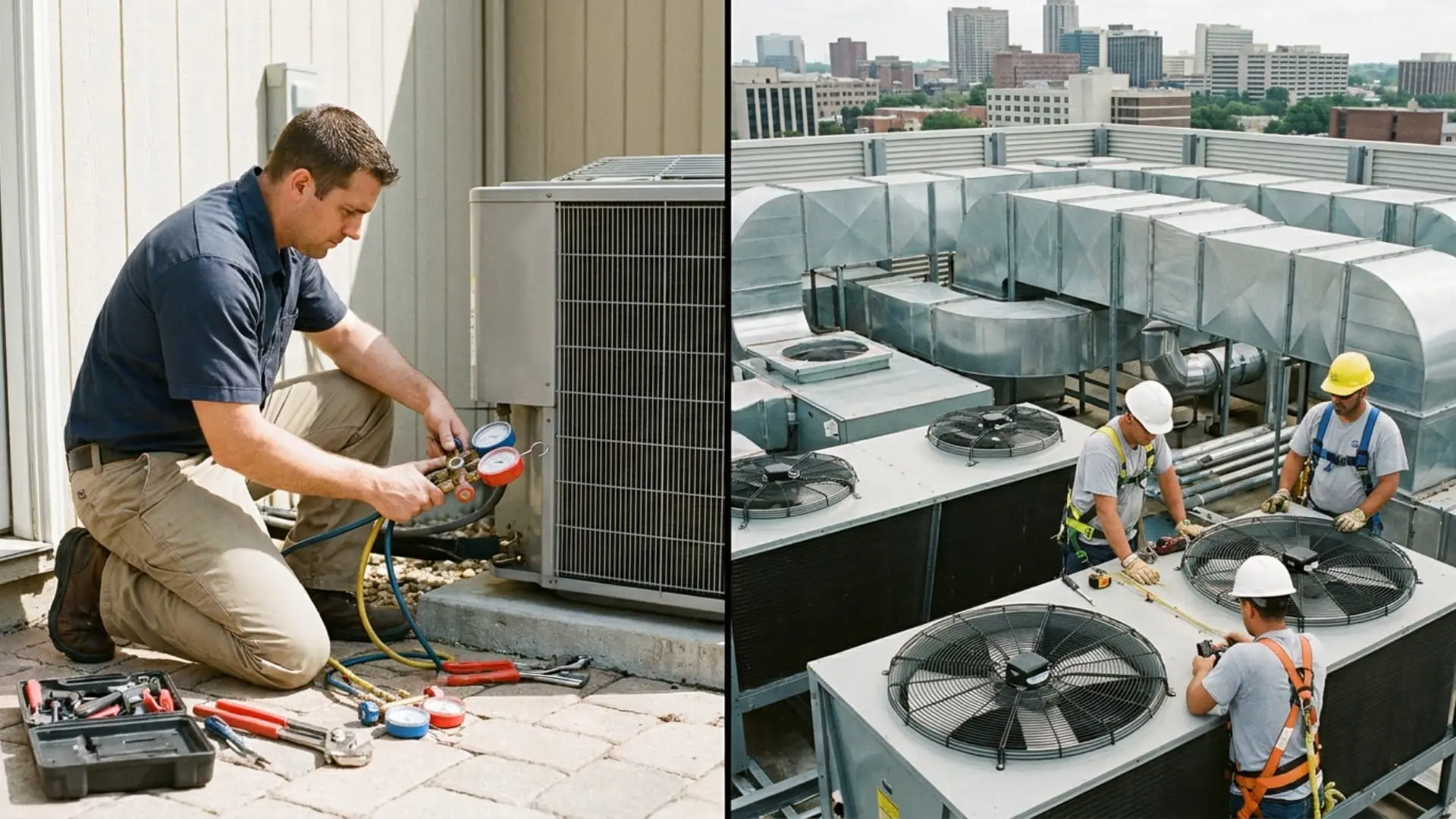
On any given day, that might mean setting up a brand-new air conditioning unit in a residential home, diagnosing a furnace, or servicing the ventilation system in a large commercial building.
You will work with refrigerants, read electrical wiring diagrams, measure and cut ductwork, and troubleshoot systems that aren’t performing the way they should.
Some technicians specialize in residential service calls, while others focus on large-scale commercial installations.
It’s hands-on, physical, and problem-solving-heavy. No two days look exactly the same, which is a big part of why so many people find it genuinely satisfying work.
Is HVAC a Good Career?
Yes, because people need heating in January and air conditioning in July; regardless of what the economy is doing, that kind of demand does not dry up, and the numbers reflect it.
| Metric | Figure |
|---|---|
| Median Annual Wage (2024) | $59,810 |
| Top 10% Earners | $91,020+ |
| Projected Job Growth (2024–2034) | 8% (much faster than average) |
| Avg. Annual Job Openings | 40,100 per year |
With no college degree required, recession-resistant work, and a clear path to six figures, HVAC holds up well against most careers that require years of schooling to reach the same income level.
I’m not certain of the most current release date at the time of writing, and BLS wage data is updated annually, so it’s worth checking the current data.
Can You Get Into HVAC With No Experience?
Yes, and this is worth stating clearly because it stops a lot of people from even trying.
Entry-level helper and installer assistant roles exist specifically for candidates with zero field experience.
No one expects a beginner to show up knowing how to braze copper pipe or charge a refrigerant system. What employers care about at this stage is reliability and basic mechanical aptitude.
If you have any hands-on work history in construction, warehouse, or auto repair, that belongs on your resume.
Military veterans also transition well into HVAC, as technical training and mechanical familiarity carry real weight with employers. That pattern holds across the skilled trades in general.
Beginner electrician training programs follow a nearly identical setup, so the early steps will feel familiar if you have already looked into a related trade.
What You Need Before You Start?
The bar to entry is lower than most people expect. Here is what you actually need before enrolling in a program or applying for a helper role:
- High school diploma or GED: The minimum requirement for virtually every HVAC program and employer.
- Basic math comfort: You’ll work with measurements, load calculations, and unit conversions regularly.
- Physical fitness: The job involves lifting equipment, working in tight spaces, and standing all day.
- Valid driver’s license: Most employers require it since technicians travel between job sites daily.
- No prior HVAC experience: Entry-level roles and apprenticeships are specifically built for people starting from zero.
How to Get Into HVAC: Step-by-Step Guide
Getting into HVAC is more straightforward than most people think; the path is well-defined, and the entry points are flexible. Here is exactly how to do it.
Step 1: Research the Role and Decide Your Path
Before spending money on a program, get clear on how you want to enter the field.
There are three main routes: trade or vocational school, a community college program, or an apprenticeship.
Each has a different cost, timeline, and structure. Trade school gets you working fastest.
Community college takes longer but comes with a broader credential. Knowing which fits your situation before you commit saves time and money.
Step 2: Enroll in a Trade School or HVAC Program
If you want a structured classroom foundation before stepping onto a job site, a formal program is the right move.
It typically covers refrigeration basics, electrical systems, ductwork, and blueprint reading.
| Program Type | Duration | Credential |
|---|---|---|
| Trade/Vocational School | 6-12 months | Certificate |
| Community College | 2 years | AAS Degree |
| Apprenticeship | 3-5 years | Journeyman Card |
| Employer-Sponsored Training | Varies | On-the-job cert |
Financial aid is available for most accredited programs. Pell Grants, workforce development grants, and state-funded trade incentives can significantly reduce out-of-pocket costs.
Step 3: Consider an Apprenticeship Program
Apprenticeships are among the most practical entry points into the trade, especially if upfront tuition is not feasible.
You work under licensed technicians, earn a paycheck from day one, and build real skills on actual job sites. Most programs run 3 to 5 years and combine on-the-job training.
Step 4: Get Your EPA 608 Certification
This one is non-negotiable. Federal law requires any technician who handles refrigerants to hold an EPA Section 608 certification.
There are four types: Type I (small appliances), Type II (high-pressure systems), Type III (low-pressure systems), and Universal, which covers all three. Universal is the one worth getting.
Testing costs around $20 to $30, and prep materials are available through the ESCO Institute at esco-institute.org. You can sit for this exam while still in school.
I’d recommend confirming current pricing directly with ESCO before you register, since testing fees are the kind of detail that changes without much notice.
Step 5: Understand State Licensing Requirements
Licensing rules vary significantly by state. Some require a dedicated state exam in addition to EPA 608; others accept the federal certification alone; and a handful have no statewide requirement at all.
There’s also a distinction between a technician license, which covers doing the work, and a contractor license, which covers running a business.
Check your state’s contractor licensing board directly for the exact requirements in the area where you plan to work.
Step 6: Apply for Entry-Level Jobs or Helper Positions
Your first job title will likely be HVAC helper or installer assistant. These roles exist specifically for people with little to no field experience.
What employers are actually looking for at this stage is reliability, a clean driving record, and a willingness to learn on the job.
Search on Indeed, local union job boards, and the websites of HVAC companies in your area.
Applying directly to smaller residential contractors often gets faster responses than going through large job platforms.
Step 7: Build Skills On the Job and Work Toward Journeyman Status
The first one to three years are your real education.
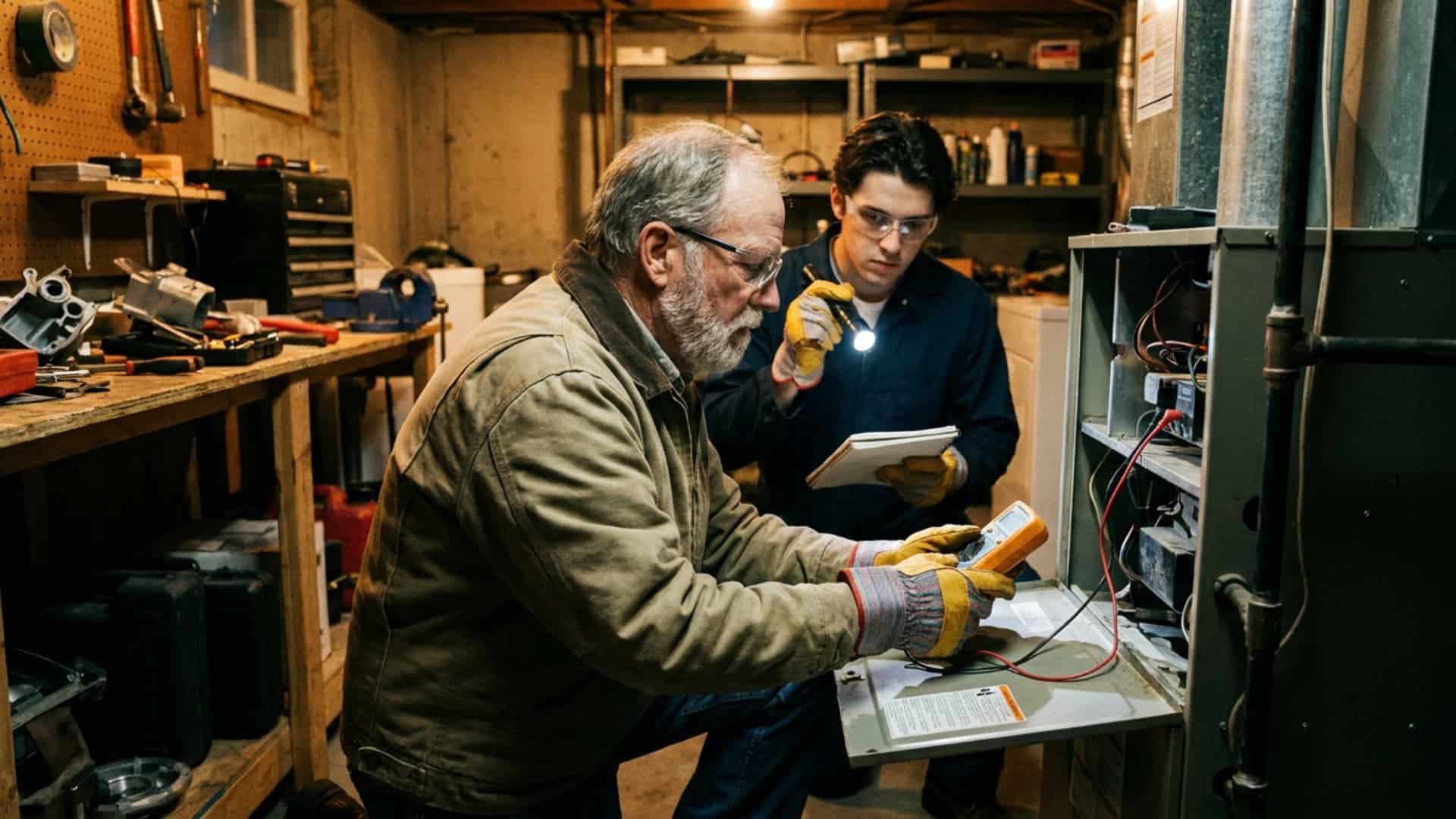
You will work alongside experienced technicians, get hands-on time with a wide range of systems, and gradually take on more responsibility.
The career progression moves from helper to apprentice, then journeyman, and eventually master technician. Keep a running log of every system type you work on.
It builds your resume and helps you identify gaps in your experience before you pursue licensure exams.
HVAC Certifications Worth Getting Early
Getting certified early sets you apart from other entry-level candidates and opens doors to higher-paying roles faster. These are the ones worth prioritizing in your first year or two.
| Certification | Issuing Body | Why It Matters |
|---|---|---|
| EPA 608 (Universal) | EPA | Required by federal law to handle refrigerants |
| NATE Certification | NATE | Industry-recognized, significantly boosts hiring odds |
| R-410A Safety | Various | Key skill as refrigerant phase-down continues |
| OSHA 10 | OSHA | Safety credential valued by larger commercial employers |
Note: EPA 608 Universal is the one to get first. Everything else builds on top of it.
HVAC Training and Apprenticeship Resources
If you are still comparing options or ready to enroll, these sources cover accredited programs, paid apprenticeships, and certification prep in one place.
- ACCA (Air Conditioning Contractors of America): It offers apprenticeship connections, contractor directories, and HVAC training resources.
- UA (United Association of Plumbers and Pipefitters): Runs paid union apprenticeships nationwide, letting you earn wages from day one.
- NATE (North American Technician Excellence): The industry’s most recognized certification body, offering study guides, practice exams, and credentials employers actively seek out.
- Apprenticeship.gov: A federal database for searching registered HVAC apprenticeships by state, the fastest way to find paid training near you.
- BLS Occupational Outlook: The most authoritative source for HVAC salary data, demand trends, and job growth projections, updated annually by the government.
- Trade-Schools.net: A school finder that filters HVAC certificate and diploma programs by state, length, and cost for easy comparison.
How Much Does HVAC School Cost?
HVAC training is significantly more affordable than a traditional four-year degree, and there are enough funding options available that out-of-pocket costs can be reduced considerably for most people.
| Program Type | Avg. Cost | Funding Options |
|---|---|---|
| Trade/Vocational School | $1,200–$15,000 | Pell Grants, workforce development funds |
| Community College (AAS) | $3,000–$10,000 | Pell Grants, state trade incentives |
| Apprenticeship | Low to free | Paid OJT from day one |
| Employer-Sponsored Training | Free | Employer-covered, work commitment required |
When you factor in that entry-level HVAC helpers typically start at $35,000 to $45,000 annually, most training programs pay for themselves within the first year of work.
HVAC Career Paths and Specializations
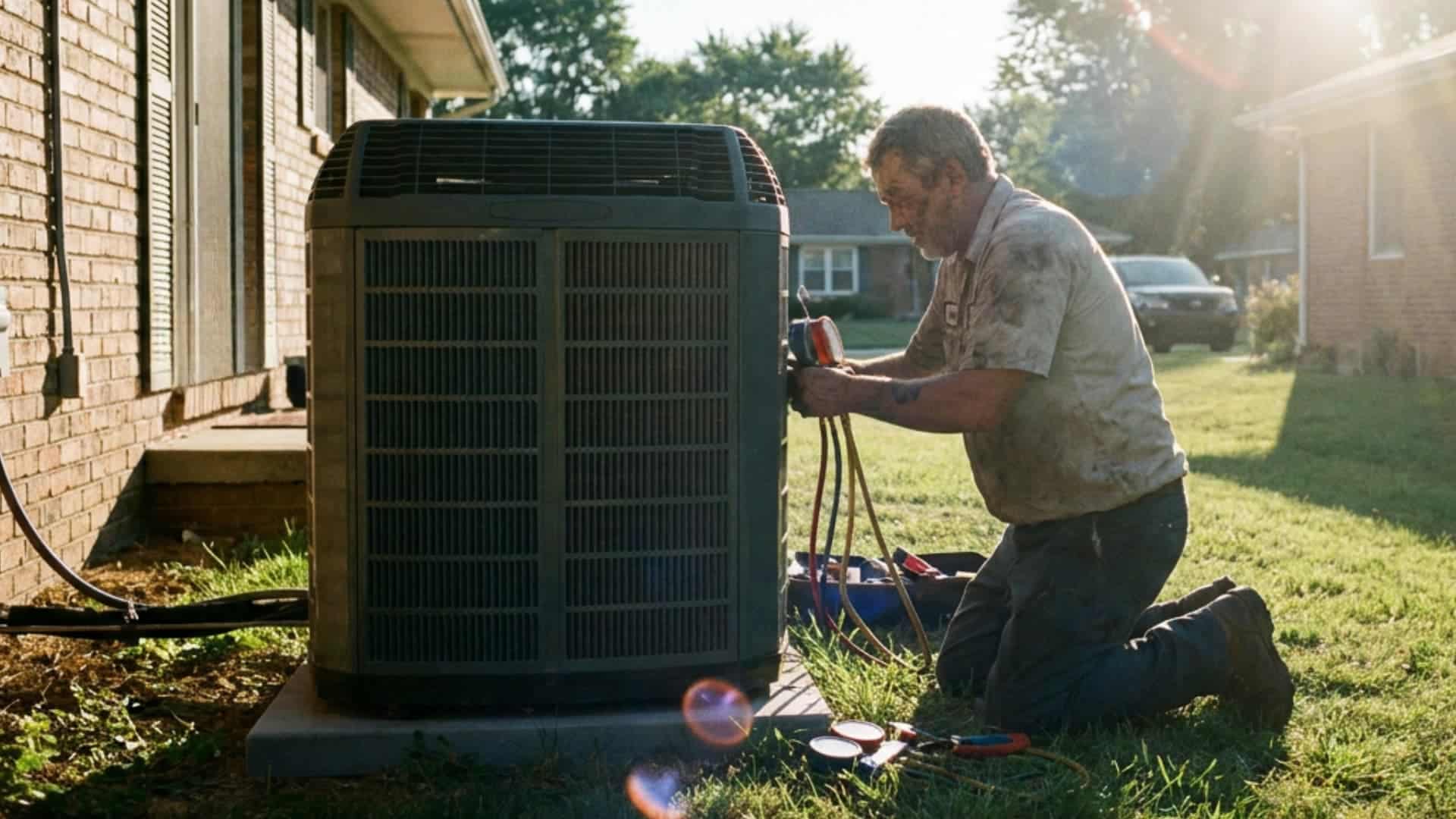
HVAC is not a single track. Once you have a few years of experience and solid certifications, you can take several directions depending on what you enjoy most and where you want your income to go.
- Residential Service Technician: Handles maintenance, diagnostics, and repairs for homeowners; high volume, client-facing.
- Commercial Installer: Works on large-scale systems in office buildings, hospitals, and industrial facilities; more technical complexity and typically higher pay.
- Refrigeration Specialist: Focuses on commercial refrigeration systems in grocery stores, cold storage facilities, and food service environments.
- Building Automation and Controls: Works with smart building systems, thermostats, and energy management technology; growing rapidly as buildings become more connected.
- HVAC Estimator or Sales: Moves off the tools and into project bidding, client consulting, and system design recommendations.
- HVAC Contractor or Business Owner: The highest-earning ceiling in the trade; requires a contractor’s license, business fundamentals, and the ability to manage crews and clients.
Most technicians find their specialty naturally after two to three years in the field, once they’ve had enough exposure to know what kind of work they actually want to do every day.
What HVAC Technicians Earn at Each Level?
Pay in HVAC scales steadily with experience, certifications, and the complexity of systems you work on. Here’s what the earning trajectory typically looks like:
| Experience Level | Avg. Annual Salary |
|---|---|
| Entry-Level / Helper | $35,000–$45,000 |
| Apprentice | $40,000–$52,000 |
| Journeyman Technician | $55,000–$70,000 |
| Master Technician | $70,000–$90,000+ |
| HVAC Contractor (Self-Employed) | $80,000–$130,000+ |
These ranges are industry-reported estimates rather than an official BLS breakdown by experience level, so treat them as a general guide and confirm current figures.
Conclusion
HVAC training does not take years of expensive schooling to start. Now that you know how to get into HVAC, the path feels clearer.
Start with a certification, pick a training option, and apply for helper roles. Every step builds skills that employers actually value. Steady demand and solid pay make this trade a practical choice.
Age or background rarely gets in the way of starting fresh. Show up, stay reliable, and keep learning on the job. Small steps now can lead to a stable career later.
What questions do you still have about starting in HVAC? Drop them in the comments below.
Frequently Asked Questions
Is HVAC Hard to Learn?
It has a learning curve, but every accredited program teaches the fundamentals from scratch. Most of the real learning happens on the job within the first two to three years.
Do I Need a License to Work in HVAC?
It depends on your state. Some require a dedicated license; others only need EPA 608 certification. Check your state’s contractor licensing board for exact requirements.
Can I Get Into HVAC at 30, 40, or Older?
Yes. Age is not a barrier in this trade. Employers value reliability and work ethic, and many people make successful career switches to HVAC in their 30s and 40s.
Is HVAC School Worth It?
For most people, yes. A trade school certificate costs a fraction of a college degree and can have you earning $35,000 to $45,000 in under a year.