

Three weeks. Twenty-three exam days. One shot at the score that shapes your future.
The November IB exam schedule is no longer a distant deadline. It is here, it is real, and every date on that calendar carries weight.
Students who walk into that exam hall knowing exactly what lies ahead tend to feel calmer and perform differently.
That edge is not talent. It is preparation meeting clarity.
This blog deciphers the complete exam schedule, week by week, along with strategies, a revision timetable, and the mistakes that quietly cost students marks in every session.
Read through carefully, and you will never scramble for dates or second-guess your plan again.
Your November starts now!
IB Exam November Take
The International Baccalaureate Organization administers the IB Diploma Program and Career-related Program examinations for students at IB-authorized schools in various countries.
These examinations are accepted by universities worldwide and support admission into undergraduate courses, scholarship applications, and global education pathways.
Students planning careers in medicine, engineering, law, business, research, international relations, and data science often choose the IB pathway because of its global academic value.
Students can register for the examination session through their schools, while official schedules, assessment updates, and program details are available on the International Baccalaureate website.
According to the official November 2026 schedule, examinations begin on Friday, 23 October and continue across morning and afternoon sessions for all exam zones.
The Complete IB Exam Schedule November 2026
The November 2026 IB exam session spans three weeks, covering every subject across morning and afternoon slots. Use this schedule to plan your preparation timeline and avoid any last-minute surprises on exam day.
Pre-Exam Week: Friday, 23 October
Before the main session officially begins, there is one early exam to account for. Make sure School-based Syllabus students are aware of this standalone afternoon sitting.
| Session | Subject |
|---|---|
| Afternoon | School-based Syllabus (SBS) SL Paper 1 |
Week One: 26th October to 30th October
The first week covers a wide range of subjects, from Language A to Biology, Business Management, and Computer Science. It sets a demanding pace right from the start, so mapping out your revision priorities early is worth the effort.
| DATE | 26 October, 2026 | Monday |
|---|---|---|
| Session | Subject | Duration |
| Morning | SBS School-based Syllabus SL Paper 2 | – |
| Afternoon | Language A Literature HL Paper 1 | 2h 15m |
| Afternoon | Language A Literature SL Paper 1 | 1h 15m |
| Afternoon | Language A Language & Literature HL Paper 1 | 2h 15m |
| Afternoon | Language A Language & Literature SL Paper 1 | 1h 15m |
| Note | Except: English & Spanish | – |
| DATE | 27 October, 2026 | Tuesday |
|---|---|---|
| Session | Subject | Duration |
| Morning | Language A Literature HL/SL Paper 2 | 1h 45m |
| Morning | Language A Language & Literature HL/SL Paper 2 | 1h 45m |
| Note | Except: English & Spanish | – |
| Afternoon | Biology HL Paper 1 (1a and 1b) | 2h |
| Afternoon | Biology SL Paper 1 (1a and 1b) | 1h 30m |
| DATE | 28 October, 2026 | Wednesday |
|---|---|---|
| Session | Subject | Duration |
| Morning | Biology HL Paper 2 | 2h 30m |
| Morning | Biology SL Paper 2 | 1h 30m |
| Afternoon | Business Management HL/SL Paper 1 | 1h 30m |
| Afternoon | Business Management HL Paper 3 | 1h 15m |
| DATE | 29 October, 2026 | Thursday |
|---|---|---|
| Session | Subject | Duration |
| Morning | Business Management HL Paper 2 | 1h 45m |
| Morning | Business Management SL Paper 2 | 1h 30m |
| Afternoon | Spanish A Literature HL Paper 1 | 2h 15m |
| Afternoon | Spanish A Literature SL Paper 1 | 1h 15m |
| Afternoon | Spanish A Language & Literature HL Paper 1 | 2h 15m |
| Afternoon | Spanish A Language & Literature SL Paper 1 | 1h 15m |
| Afternoon | Spanish B HL Paper 1 | 1h 30m |
| Afternoon | Spanish B HL Paper 2 – Reading | 1h |
| Afternoon | Spanish B SL Paper 1 | 1h 15m |
| Afternoon | Spanish B SL Paper 2 – Reading | 1h |
| Afternoon | Spanish ab initio SL Paper 1 | 1h |
| Afternoon | Spanish ab initio SL Paper 2 – Reading | 1h |
| DATE | 30 October, 2026 | Friday |
|---|---|---|
| Session | Subject | Duration |
| Morning | Spanish A Literature HL/SL Paper 2 | 1h 45m |
| Morning | Spanish A Language & Literature HL/SL Paper 2 | 1h 45m |
| Morning | Spanish B HL Paper 2 – Listening | 1h |
| Morning | Spanish B SL Paper 2 – Listening | 45m |
| Morning | Spanish ab initio SL Paper 2 – Listening | 45m |
| Afternoon | Computer Science HL Paper 1 | 2h 10m |
| Afternoon | Computer Science SL Paper 1 | 1h 30m |
| Afternoon | Environmental Systems & Societies HL Paper 1 | 2h |
| Afternoon | Environmental Systems & Societies SL Paper 1 | 1h |
Week Two: 2nd November to 6th November
Week two brings History, Sciences, and all Language B exams into the picture, along with English A in the final days. This is typically the most dense stretch of the session for students carrying a full subject load.
| DATE | 2 November, 2026 | Monday |
|---|---|---|
| Session | Subject | Duration |
| Morning | Computer Science HL Paper 2 | 1h 20m |
| Morning | Computer Science HL Paper 3 | 1h |
| Morning | Computer Science SL Paper 2 | 1h |
| Morning | Environmental Systems & Societies HL Paper 2 | 2h 30m |
| Morning | Environmental Systems & Societies SL Paper 2 | 2h |
| Afternoon | History HL/SL Paper 1 | 1h |
| Afternoon | History HL/SL Paper 2 | 1h 30m |
| DATE | 3 November, 2026 | Tuesday |
|---|---|---|
| Session | Subject | Duration |
| Morning | History HL Paper 3 | 2h 30m |
| Afternoon | Language B HL Paper 1 | 1h 30m |
| Afternoon | Language B HL Paper 2 – Reading | 1h |
| Afternoon | Language B SL Paper 1 | 1h 15m |
| Afternoon | Language B SL Paper 2 – Reading | 1h |
| Afternoon | Language ab initio SL Paper 1 | 1h |
| Afternoon | Language ab initio SL Paper 2 – Reading | 1h |
| Note | Except: English & Spanish | – |
| Afternoon | Latin HL Paper 1 | 2h |
| Afternoon | Latin SL Paper 1 | 1h 30m |
| DATE | 4 November, 2026 | Wednesday |
|---|---|---|
| Session | Subject | Duration |
| Morning | Language B HL Paper 2 – Listening | 1h |
| Morning | Language B SL Paper 2 – Listening | 45m |
| Morning | Language ab initio SL Paper 2 – Listening | 45m |
| Note | Except: English & Spanish | – |
| Morning | Latin HL Paper 2 | 1h 30m |
| Morning | Latin SL Paper 2 | 1h 30m |
| Afternoon | Physics HL Paper 1 (1a and 1b) | 2h |
| Afternoon | Physics SL Paper 1 (1a and 1b) | 1h 30m |
| Afternoon | Sports, Exercise & Health Science HL Paper 1 (1a and 1b) | 1h 45m |
| Afternoon | Sports, Exercise & Health Science SL Paper 1 (1a and 1b) | 1h 30m |
| DATE | 5 November, 2026 | Thursday |
|---|---|---|
| Session | Subject | Duration |
| Morning | Physics HL Paper 2 | 2h 30m |
| Morning | Physics SL Paper 2 | 1h 30m |
| Morning | Sports, Exercise & Health Science HL Paper 2 | 2h 30m |
| Morning | Sports, Exercise & Health Science SL Paper 2 | 1h 30m |
| Afternoon | English A Literature HL Paper 1 | 2h 15m |
| Afternoon | English A Literature SL Paper 1 | 1h 15m |
| Afternoon | English A Language & Literature HL Paper 1 | 2h 15m |
| Afternoon | English A Language & Literature SL Paper 1 | 1h 15m |
| Afternoon | English B HL Paper 1 | 1h 30m |
| Afternoon | English B HL Paper 2 – Reading | 1h |
| Afternoon | English B SL Paper 1 | 1h 15m |
| Afternoon | English B SL Paper 2 – Reading | 1h |
| Afternoon | English ab initio SL Paper 1 | 1h |
| Afternoon | English ab initio SL Paper 2 – Reading | 1h |
| DATE | 6 November, 2026 | Friday |
|---|---|---|
| Session | Subject | Duration |
| Morning | English A Literature HL/SL Paper 2 | 1h 45m |
| Morning | English A Language & Literature HL/SL Paper 2 | 1h 45m |
| Morning | English B HL Paper 2 – Listening | 1h |
| Morning | English B SL Paper 2 – Listening | 45m |
| Morning | English ab initio SL Paper 2 – Listening | 45m |
| Morning | Literature & Performance SL Paper 1 | 1h 45m |
| Afternoon | Digital Society HL Paper 1 | 2h 15m |
| Afternoon | Digital Society SL Paper 1 | 1h 30m |
| Afternoon | Geography HL Paper 1 | 2h 15m |
| Afternoon | Geography SL Paper 1 | 1h 30m |
| Afternoon | Global Politics HL/SL Paper 1 | 1h 15m |
| Afternoon | Social & Cultural Anthropology HL Paper 1 | 2h |
| Afternoon | Social & Cultural Anthropology SL Paper 1 | 1h 30m |
Week Three: 9th November to 13th November
The final week closes out with Mathematics, Economics, Chemistry, Psychology, and Philosophy. Finishing strong here matters, so managing energy and revision across these last few days is just as important as the weeks before.
| DATE | 9 November, 2026 | Monday |
|---|---|---|
| Session | Subject | Duration |
| Morning | Digital Society HL/SL Paper 2 | 1h 15m |
| Morning | Digital Society HL Paper 3 | 1h 15m |
| Morning | Geography HL/SL Paper 2 | 1h 15m |
| Morning | Geography HL Paper 3 | 1h |
| Morning | Global Politics HL/SL Paper 2 | 1h 45m |
| Morning | Social & Cultural Anthropology HL Paper 2 | 2h 30m |
| Morning | Social & Cultural Anthropology SL Paper 2 | 1h 30m |
| Afternoon | Mathematics: Analysis & Approaches HL Paper 1 | 2h |
| Afternoon | Mathematics: Analysis & Approaches SL Paper 1 | 1h 30m |
| Afternoon | Mathematics: Applications & Interpretation HL Paper 1 | 2h |
| Afternoon | Mathematics: Applications & Interpretation SL Paper 1 | 1h 30m |
| DATE | 10 November, 2026 | Tuesday |
|---|---|---|
| Session | Subject | Duration |
| Morning | Mathematics: Analysis & Approaches HL Paper 2 | 2h |
| Morning | Mathematics: Analysis & Approaches SL Paper 2 | 1h 30m |
| Morning | Mathematics: Applications & Interpretation HL Paper 2 | 2h |
| Morning | Mathematics: Applications & Interpretation SL Paper 2 | 1h 30m |
| Afternoon | Economics HL/SL Paper 2 | 1h 45m |
| Afternoon | Global Politics HL Paper 3 | 1h 30m |
| DATE | 11 November, 2026 | Wednesday |
|---|---|---|
| Session | Subject | Duration |
| Morning | Economics HL Paper 1 | 1h 15m |
| Morning | Economics HL Paper 3 | 1h 45m |
| Morning | Economics SL Paper 1 | 1h 15m |
| Afternoon | Chemistry HL Paper 1 (1a and 1b) | 2h |
| Afternoon | Chemistry SL Paper 1 (1a and 1b) | 1h 30m |
| Afternoon | Design Technology HL Paper 1 | 1h |
| Afternoon | Design Technology SL Paper 1 | 45m |
| Afternoon | Design Technology HL/SL Paper 2 | 1h 30m |
| DATE | 12 November, 2026 | Thursday |
|---|---|---|
| Session | Subject | Duration |
| Morning | Chemistry HL Paper 2 | 2h 30m |
| Morning | Chemistry SL Paper 2 | 1h 30m |
| Morning | Design Technology HL Paper 3 | 1h 30m |
| Afternoon | Philosophy HL Paper 1 | 2h 30m |
| Afternoon | Philosophy SL Paper 1 | 1h 45m |
| Afternoon | Psychology HL Paper 1 | 2h |
| Afternoon | Psychology SL Paper 1 | 2h |
| DATE | 13 November, 2026 | Friday |
|---|---|---|
| Session | Subject | Duration |
| Morning | Philosophy HL/SL Paper 2 | 1h |
| Morning | Philosophy HL Paper 3 | 1h 15m |
| Morning | Psychology HL Paper 2 | 2h |
| Morning | Psychology HL Paper 3 | 1h |
| Morning | Psychology SL Paper 2 | 1h |
| Afternoon | Mathematics: Analysis & Approaches HL Paper 3 | 1h 15m |
| Afternoon | Mathematics: Applications & Interpretation HL Paper 3 | 1h 15m |
Local Start Times by Exam Zone
| Zone | Sub-Zone | Morning Session | Afternoon Session |
|---|---|---|---|
| A | 12 / 11 / 10 / 9 | 10:00 | 14:00 |
| 8 | 09:30 | 13:30 | |
| 7 / 6 / 5 / 4 / 3 | 09:00 | 13:00 | |
| B | 3 | 10:00 | 14:00 |
| 2 | 09:30 | 13:30 | |
| 1 / 0 | 09:00 | 13:00 | |
| C | -3 | 10:00 | 14:00 |
| -4 | 09:30 | 13:30 | |
| -5 to -10 | 08:30 | 12:30 |
Most papers are written and paper-based, with subject durations ranging from 45 minutes to over 2 hours, depending on the course and paper type.
The schedule also includes fixed local start times that schools must adhere to during the examination period.
Note: Start times are based on local time and require no adjustment for daylight saving. Your school’s allocated exam zone does not change between sessions. Confirm your zone directly with your IB coordinator if unsure.
Revision Methods That Match the IB Exam Schedule
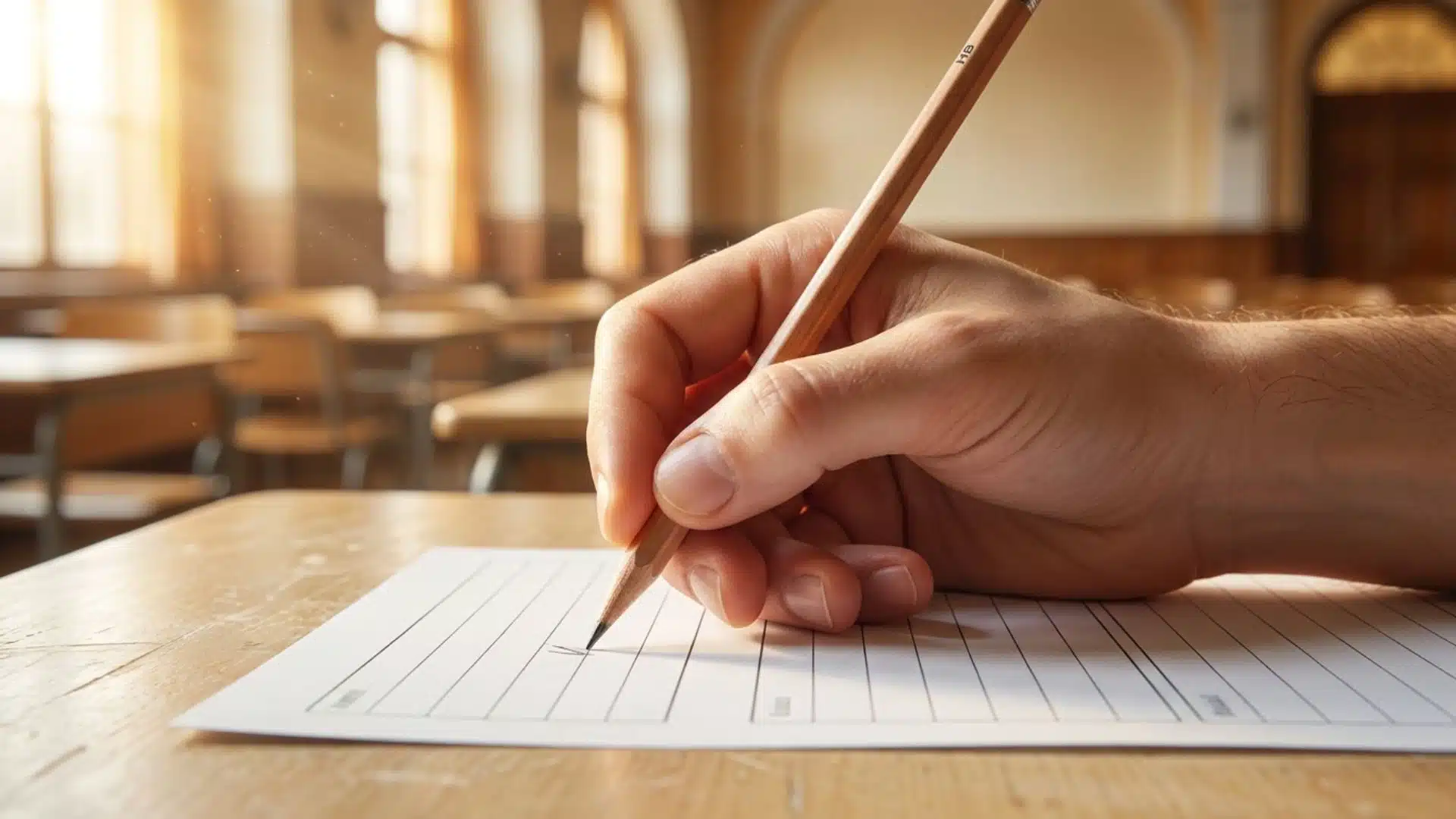
Studying harder is not always the answer; studying smarter usually is.
These five research-backed techniques have a strong track record of actually improving retention and performance when applied consistently.
- Active Recall: Test your memory without notes to improve long-term retention faster.
- Spaced Repetition: Review topics at planned intervals to strengthen memory over time.
- Pomodoro Technique: Study in short, focused sessions with breaks to maintain concentration.
- Blurting Method: Write down everything remembered about a topic before checking for mistakes and gaps.
- Interleaving Technique: Mix different subjects during revision to improve problem-solving and recall speed.
Pair active recall with spaced repetition, for instance, and you have a revision system that works with how memory actually functions.
Study Timetable You May Follow For The IB Exams
A fixed revision structure helps students cover every subject without panic during the final examination phase. The timetable below balances theory revision, timed practice, breaks, and recall sessions in line with the November examination pattern.
| Time | Activity | Purpose |
|---|---|---|
| 6:30 AM – 7:00 AM | Quick revision of formulas and definitions | Strengthens memory before intensive study |
| 7:00 AM – 9:00 AM | Theory-based subject revision | Best for History, Psychology, Economics, and English |
| 9:00 AM – 9:30 AM | Break and light movement | Maintains concentration and reduces fatigue |
| 9:30 AM – 11:00 AM | Timed past paper practice | Improves speed and paper management |
| 11:00 AM – 12:00 PM | Error correction session | Identifies weak areas quickly |
| 12:00 PM – 1:00 PM | Lunch and screen-free break | Prevents mental overload |
| 1:00 PM – 3:00 PM | Numerical subject practice | Useful for Mathematics, Physics, Chemistry |
| 3:00 PM – 3:30 PM | Short revision break | Improves focus retention |
| 3:30 PM – 5:00 PM | Flashcards and active recall | Reinforces long-term memory |
| 5:00 PM – 6:00 PM | Light exercise or relaxation | Keeps stress levels balanced |
| 6:00 PM – 8:00 PM | Mixed subject revision session | Helps transition between subjects smoothly |
| 8:00 PM – 9:00 PM | Review mistakes from the day | Prevents repeated errors during exams |
Recommended Study Materials
- IB Exam Previous Year Papers
- Revision Village Mathematics Question Bank
- Exams Notes and Practice Papers
- IB Language Preparation
- Concept clarity in sciences and mathematics
Students who follow a realistic timetable and reliable study material usually maintain greater consistency during the final examination weeks.
Revision Habits That Help Students Perform Better in IB Exams

Strong exam performance usually comes from disciplined routines rather than last-minute studying.
Students who build practical revision habits early often handle the IB examination period with better focus, calmer decision-making, and stronger subject retention.
- Practice Papers Using Actual Exam Timings: Following real paper durations improves speed, accuracy, and answer planning; do not ignore paper duration during practice.
- Maintain a Fixed Sleep Routine Before Exams: Consistent sleep improves concentration, memory recall, and writing performance; do not sleep late before morning examinations.
- Focus on Strengthening Topics Already Prepared: Strong revision improves confidence more effectively than rushing through unfamiliar chapters; do not start new topics close to examination dates.
- Review Examiner Patterns and Marking Styles: Past paper analysis helps students understand question trends and answer expectations clearly; do not skip past paper analysis.
- Use Short Breaks Between Revision Sessions: Regular breaks improve focus retention and reduce mental fatigue; do not study continuously without breaks.
- Revise Weaker Chapters Consistently Each Week: Steady revision helps students improve weaker areas before the final examination phase; do not avoid weak topics until the last week.
Students who consistently maintain these habits usually manage examination pressure more effectively throughout all three weeks of the IB exam schedule.
Final Thoughts
The November IB exam schedule is a lot to take in, but having it mapped out clearly makes the preparation process feel far more manageable.
Knowing your dates, session timings, and paper durations ahead of time means less scrambling and more structured, intentional revision.
Getting familiar with the schedule is only part of it. Pairing that awareness with consistent study habits, reliable resources, and realistic weekly targets is what actually carries students through all three weeks with confidence.
Bookmark this page, revisit the study material links as your exam dates approach, and treat the schedule as a working document rather than something you glance at once and forget.
Frequently Asked Questions (FAQs)
Are IB Exams Conducted Online or on Paper?
Most IB examinations are conducted in a paper-based format during supervised morning and afternoon sessions across all exam zones.
Where Can Students Apply for the IB Examinations?
Students usually register for IB examinations through their authorized IB schools and official program coordinators.
What are IB Exam Zones?
IB exam zones organize countries into separate timing groups to maintain secure and standardized examination sessions worldwide.
Can IB Examinations Be Rescheduled?
IB examinations cannot be rescheduled without official approval from the IB Assessment Division, in accordance with examination procedures.