
A blank career worksheet can sometimes feel more intimidating than a difficult test. You may know what subjects you enjoy, yet still have no clear idea which jobs match your strengths, interests, or personality.
That is where career exploration activities can make a real difference.
Instead of asking you to choose one future too early, they give you practical ways to notice what energizes you, what you are good at, and what kind of work environment feels right.
Gather clues, test possibilities, and learn more about yourself along the way. Sometimes, one activity is enough to turn “I have no idea” into “I want to explore this further.”
Why Career Exploration Matters in Middle School
Middle school is a good time for students to learn about careers without feeling pressured to choose one future path.
Career exploration helps them understand their interests, strengths, values, and the subjects they enjoy most. It also introduces jobs they may not hear about at home or in class.
Simple career exploration activities can show how school subjects connect to work, making lessons feel more useful.
Students can also begin building skills such as communication, teamwork, problem-solving, and decision-making. Career exploration for middle school should focus on curiosity, not final choices.
Career Exploration Activities for Self-Discovery
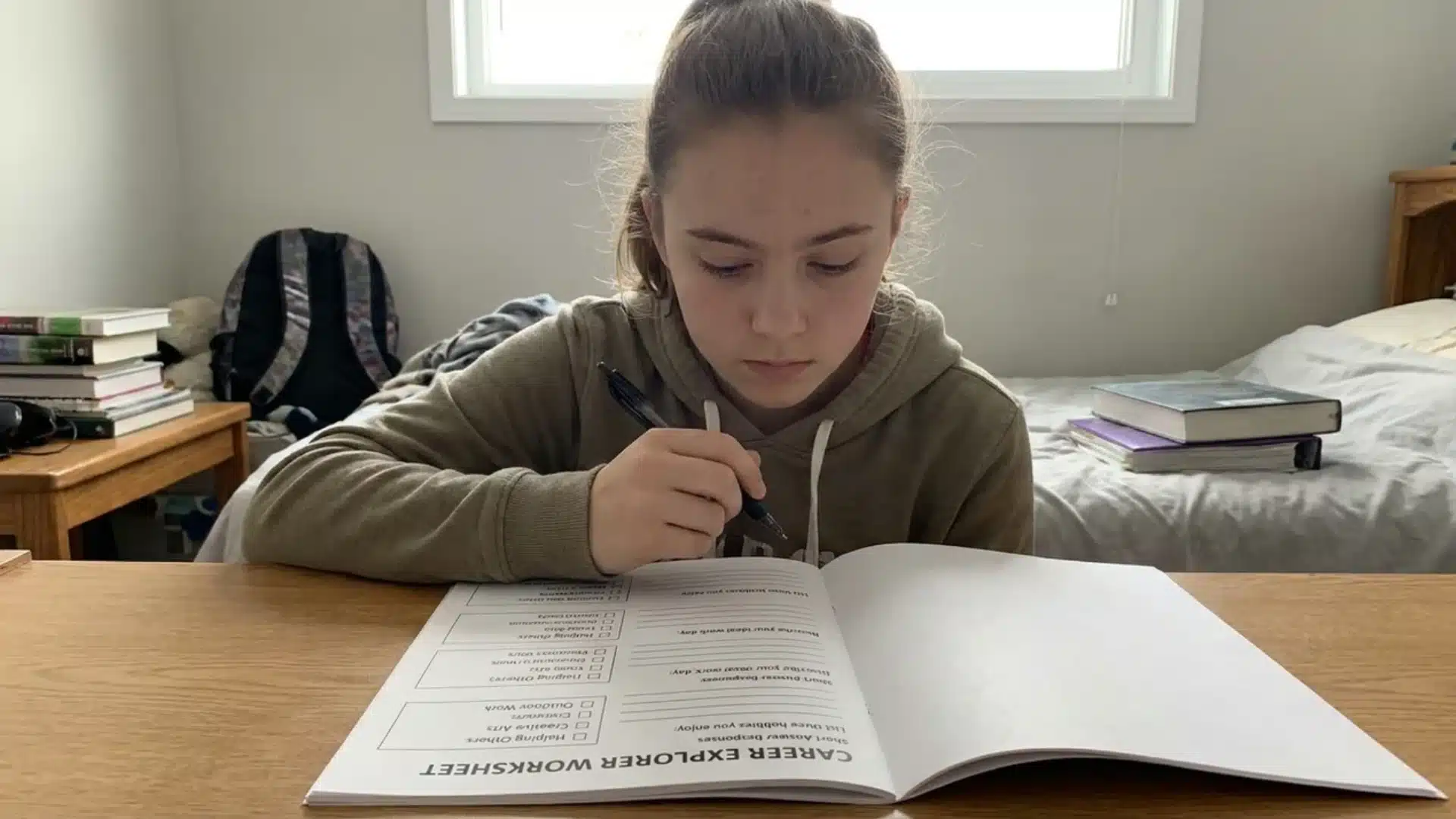
Before choosing a career, it helps to understand your own values, interests, and strengths first. These self-discovery exercises are a low-stakes way to build that awareness.
1. Interest and Strength Assessments
Assessments that measure work style, interests, and natural strengths are usually the first practical step in narrowing down career options.
Rather than guessing based on a job title alone, students and adults get real data points they can compare against different fields.
Many schools use these results ahead of career fairs, so students know which booths or speakers are actually worth their time, rather than wandering the room without direction.
2. Work Values and Ideal Day Worksheets
This method starts by looking at what matters most to you in your daily work life.
William & Mary’s career center offers free guided exercises built around real prompts, things like commute length, supervisor style, and what a rewarding day even looks like.
Ranking these priorities before ranking job titles helps someone choose a path that fits their life, not just one that sounds impressive on paper.
3. Daily Reflection and Journal Prompts
Short writing prompts at the start of class work well precisely because they don’t feel like homework.
A quick prompt paired with a fact about one career, repeated daily, slowly builds both vocabulary and self-awareness without a big time commitment.
Teachers can pull career facts from any occupation database and pair them with a simple reflection question; no special resource is required.
After a few weeks, the accumulated entries become a genuine record of what a student keeps circling back to.
Hands-On Career Exploration Activities
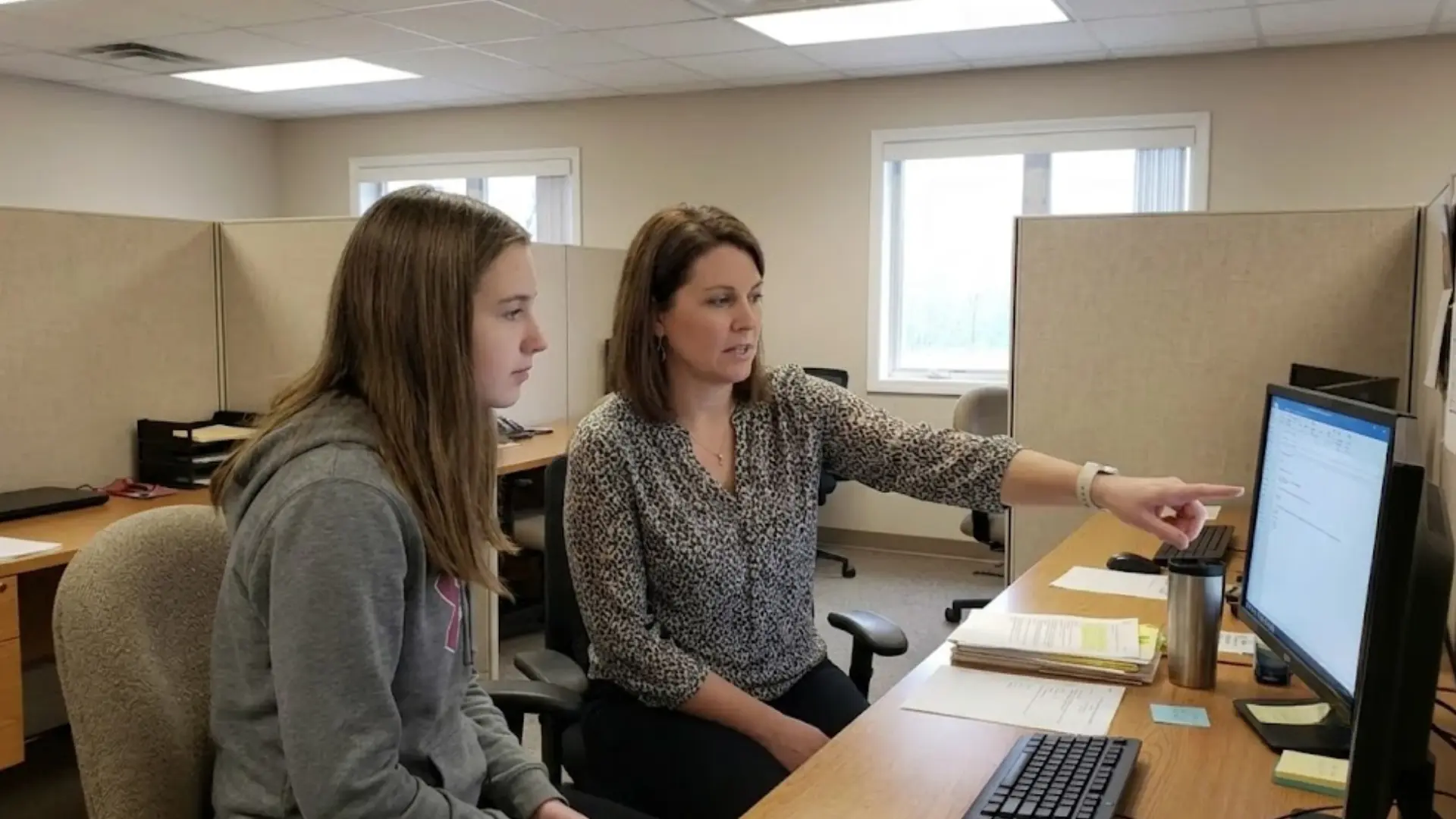
Reading about a job and doing it are two different things. These activities let people test a career before committing years of study or training to it.
4. Shadowing a Professional for a Day
Spending a day in someone’s actual workplace reveals the parts a job listing never mentions: the slow stretches, the paperwork, the real rhythm of the role.
A single afternoon like this can confirm someone’s interest or send them in a completely different direction.
Counselors can often set this up through local businesses, alumni networks, or family connections, and it remains one of the more convincing ways to test a career choice before committing to it.
5. One-on-One Conversations With Working Professionals
A short, informal conversation with someone already working in a field gives access to details no website covers, daily frustrations, unexpected perks, and what they wish they’d known starting out.
There’s no application involved and no pressure, just direct questions about training, pay ranges, and day-to-day reality.
These conversations work fine over a phone call, video chat, or even email, and they quietly start building a professional network long before it’s needed for a job search.
6. Short Volunteer Stints and Mini Internships
A few weeks of volunteering or a short internship reveals things a single visit can’t: how a team actually communicates, how projects move from start to finish, and whether the daily pace suits one.
Hospitals, small businesses, and local nonprofits often welcome short-term help specifically because it lets students test a field in real time.
This kind of extended exposure tends to carry more weight later, on a college application or in a future interview.
7. Practice Interviews With Peer Feedback
Running through a mock interview with a teacher, counselor, or classmate strips away the fear of the real thing. Students get honest feedback on their answers, posture, and pacing, with zero risk attached to the outcome.
Switching roles between interviewer and interviewee also teaches students what employers are actually listening for beneath the surface of a question.
Even a single round noticeably calms first-interview nerves and highlights which answers still need work.
Career Exploration Games and Interactive Exercises

Games lower the pressure around career talk and get people participating without realizing they’re learning. These formats work especially well in classrooms and group settings.
8. Career Research Scavenger Hunt
Handing students a checklist of things to track down about unfamiliar jobs- say, the licensing steps for an electrician or a typical day for a wildlife biologist- turns research into a race instead of a chore.
Working solo or in small teams, students dig through real sources to gather accurate answers before time runs out.
The competitive setup gets students engaging with details they’d otherwise skip. Swapping the job list each term keeps the activity from going stale.
9. Cluster Vocabulary Bingo and Puzzle Rooms
Bingo turns career vocabulary into something students actually want to win, marking off terms as clues are read aloud until someone shouts across the room.
A linked-clue puzzle format increases the difficulty: small teams solve a chain of riddles tied to one career category at a time, logging each answer before the next clue opens.
Both formats teach the standard career categories without a single lecture slide involved.
10. Full-Scale Board Game Simulation
Blowing up a familiar board game to full size turns a gym or classroom into a walkable board that students move across in pairs, with one acting as the token and the other managing dice rolls and the bank.
As they land on different spaces, pairs react to career and money decisions in real time.
It’s loud, physical, and memorable enough that school counselors keep bringing it back for career-readiness weeks.
11. Team Puzzle Challenges Tied to Career Skills
Linked-clue team challenges, built around career and workplace themes, ask small groups to solve one puzzle to reach the next, all under a time limit.
Ready-made kits exist for this format, or teachers can build a version from scratch using free-form tools.
Along the way, students end up practicing communication, teamwork, and problem-solving, the exact soft skills employers keep asking for, without a single worksheet involved.
Career Exploration for Middle School
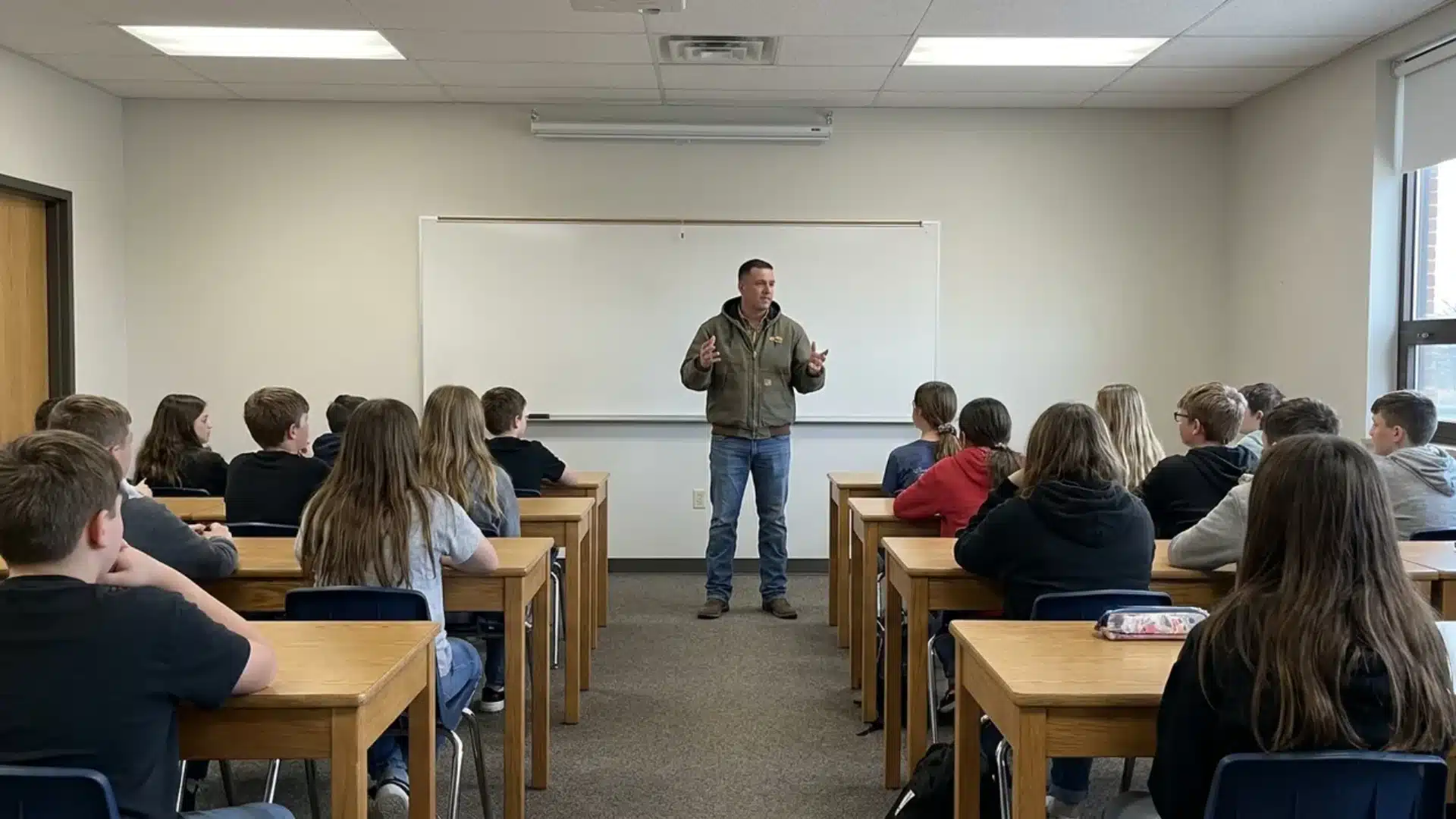
Career exploration for middle school students looks a little different from what it does for older students, with shorter attention spans and a greater focus on general self-awareness rather than the specifics of a single job.
12. Introducing Career Clusters in Early Grades
Middle school is a natural point to introduce career categories, well before students narrow their options based on limited information.
O*NET OnLine’s career cluster browser groups hundreds of occupations into broad categories such as healthcare, technology, and skilled trades, providing teachers with a ready-made structure for simple classroom lessons.
Sorting worksheets, short videos, or group activities built around these categories gives students shared vocabulary for talking about future paths. Pairing a small hand
13. Short Speaker Sessions With Local Professionals
Inviting local professionals, community college staff, or trade representatives for a brief talk gives students exposure to paths they might not otherwise have considered.
Schools without much volunteer availability can record a short video instead or run the session virtually with shared slides.
Either version plants ideas early, well before students start picking electives or high school courses based on limited information.
14. Turning Chores Into Skill-Building Conversations
Everyday responsibilities at home quietly build the same skills employers look for later: time management, follow-through, budgeting, and teamwork.
Parents can reframe an existing chore as a skill conversation, connecting meal planning to budgeting, or a repair task to problem-solving.
It’s one of the easiest entry points into career exploration for middle school because it requires no materials, just a different way of talking about tasks a student already handles.
15. Connecting Science and Math Lessons to Real Jobs
Science and math classrooms are a natural fit for career conversations, tying a lesson on ecosystems to environmental careers or a coding unit to software roles.
Short additions that connect classroom content to related jobs help students see why the subject matters beyond a test grade.
This doesn’t require extra class time; small tweaks to an existing lesson plan are usually enough to make the connection land.
Digital Tools and Online Career Exploration Resources
Beyond worksheets and classroom activities, a handful of free government tools let students research careers and test-drive interests entirely online.
The gaps below still depend on what a specific school or district already has access to.
Let me find legitimate, well-known links for those two tool types. Here’s the updated table with real, working links for all five tools.
|
Tool Name |
Type |
What It Does |
Cost |
|---|---|---|---|
|
Occupation research database |
Browse over a thousand US occupations with skills, education, and pay details |
Free |
|
|
Quick career match tool |
Keyword or industry search paired with a short interest quiz |
Free |
|
|
Apprenticeship search |
Finds active, paid apprenticeship openings by field and location |
Free |
|
|
Video-based exploration |
Shows day-in-the-life video content across a wide range of careers |
Mostly paid or freemium |
|
|
Career and college planning platform |
Offers guided career planning tools through school district subscriptions |
Varies by school |
Note: Xello is one common example of school-licensed software, but districts often use other platforms like Naviance instead, so it’s worth confirming which one a specific school actually has.
Government tools cover research, quizzes, and apprenticeships for free. Video-based shadowing and full career-matching platforms are usually paid, so those depend on what a school already provides.
Building a Simple Career Exploration Plan
All the activities above work best within a simple plan rather than as a one-off. Here’s a five-step structure to tie them together.
-
STEP 1: Assess interests and strengths using a quick tool like the O*NET Interest Profiler.
-
STEP 2: Research 3–5 career options that match those results, no more, no fewer.
-
STEP 3: Test one activity per option: a shadow day, an interview, or a hands-on project.
-
STEP 4: Reflect and compare notes on what felt engaging versus what felt like a chore.
-
STEP 5: Narrow down and set a next step, a course, a certification, or another test activity.
This plan turns scattered career exploration activities into a clear, repeatable process rather than a one-time event. A few weeks of testing and reflecting are usually enough to point toward a genuine next step.
Conclusion
Career exploration works best when you give yourself room to test, notice, and reflect instead of rushing toward one fixed answer.
The right activities can help you understand your interests, strengths, values, and the kinds of work that may suit you.
You do not need to complete every exercise at once. Start with one or two career exploration activities that feel useful, then pay attention to what you learn about yourself.
Pick one activity to try first, and comment below to share it.
Frequently Asked Questions
How Long Does a Full Career Exploration Process Usually Take?
Most people see real clarity within a few months of regularly testing activities, though it can take longer for less common or highly specialized fields.
Are Career Exploration Activities Different for Adults Changing Careers Versus Students?
Yes, adults tend to focus more on informational interviews, skills transfer, and short courses, while students tend to focus more on assessments, shadowing, and classroom-based activities.
How Can Parents Support Career Exploration Without Pushing Their Own Career Preferences?
Ask open-ended questions about what a teen noticed or enjoyed during an activity, rather than steering the conversation toward a specific job or industry.