
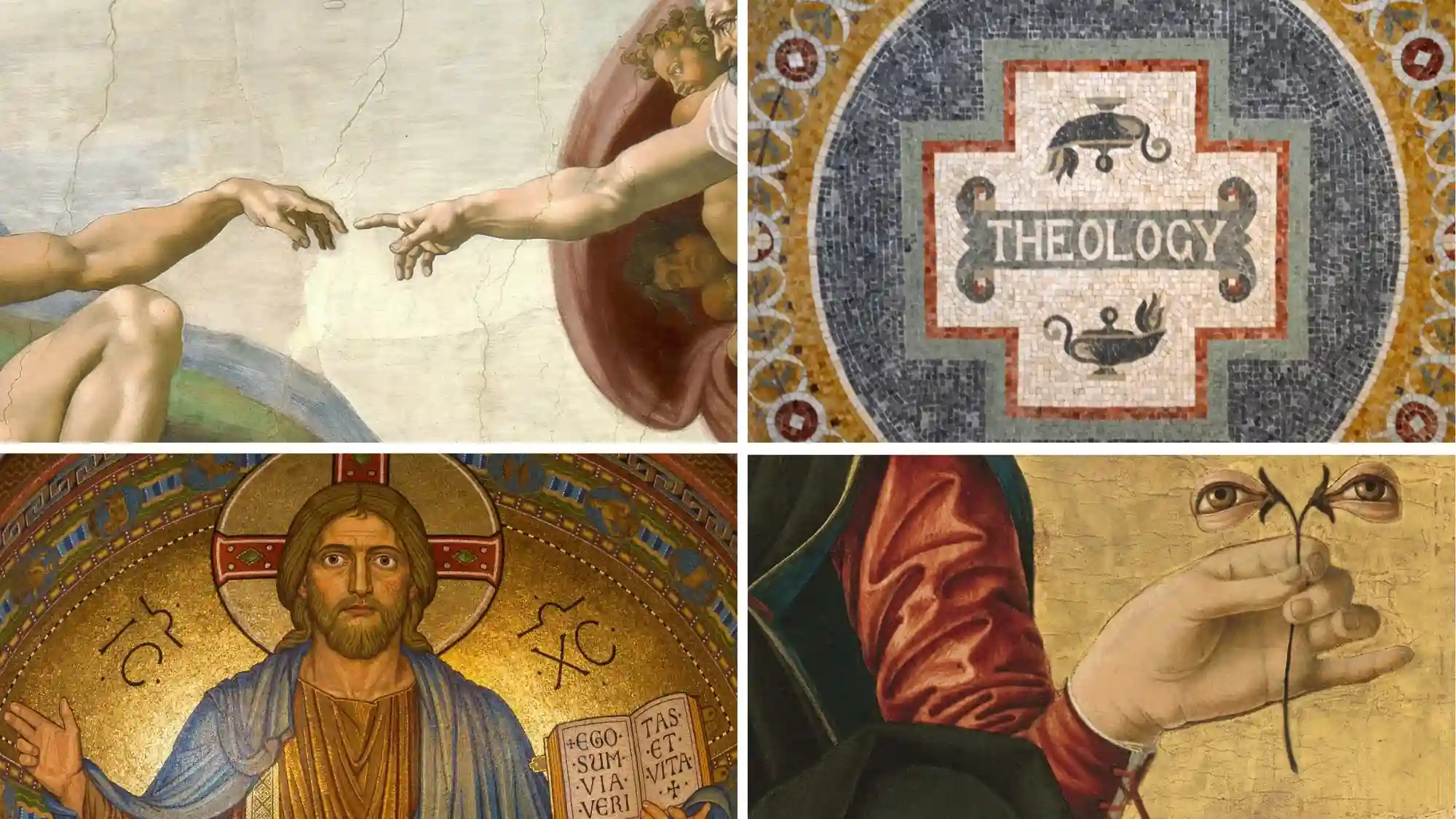
In this digital age, studying theology can be as simple as opening your laptop or phone.
However, free online theology courses with certificates make learning accessible to people everywhere, no matter their background or budget.
So, if you want a deeper understanding of your faith, learn about different religious traditions, or boost your qualifications, these courses can help you grow at no cost.
Over the years, I’ve seen many people use free resources like these to build solid spiritual and academic foundations.
Why Theology Certification Matters?
Theology certification shows your commitment to learning and growing in your faith and knowledge.
It helps confirm that you have studied important theological topics carefully. For many church roles and faith-based careers, certification can be essential or highly recommended.
It also builds credibility if you plan to teach, lead ministry work, or engage in counseling.
A certificate is proof that you completed structured training and can boost your confidence in your understanding.
How We Chose These Programs
Not all free online theology courses offer the same value. So, we have narrowed this list using a few core standards:
- Accreditation & credibility: backed by recognized seminaries or universities
- Certificate cost: whether it’s free or requires a small fee
- Course depth: structured lessons, not just surface-level content
- Instructor expertise: taught by qualified scholars or faculty
Each platform below was evaluated against these criteria before making the cut. This way, you can trust that every option here offers real learning value, not just a free label.
Top Platforms Offering Free Online Theology Courses with Certificates

Several trustworthy platforms offer quality theology courses at no cost. Many even offer certificates for free or for a small fee, making it easy for you to showcase your achievements.
1. Harvard University
Harvard’s course introduces world religions and theology through faculty-structured content.
It balances accessibility for newcomers with enough depth for those seeking a more serious academic grounding, all delivered in a flexible, self-paced format.
- Best for: Beginners wanting a broad academic overview
- Skill level: Beginner to Intermediate
- Time required: Self-paced, 4–6 weeks
2. Yale University
Yale offers free video lectures and readings covering key biblical texts.
While formal certification requires enrollment in continuing education, the course content itself delivers rigorous, university-level biblical study from respected faculty.
- Best for: Serious Bible students wanting scholarly depth
- Skill level: Intermediate
- Time required: Self-paced, 6–8 weeks
3. Dallas Theological Seminary
DTS covers foundational theology and Bible knowledge through video lectures, quizzes, and reading assignments.
Discussion forums add a community layer, making it a solid starting point for those exploring ministry pathways.
- Best for: Ministry-focused learners wanting foundational training
- Skill level: Beginner to Intermediate
- Time required: Self-paced, 4–6 weeks
4. Trinity International Theological Seminary
Trinity International offers seminary-built courses on Christian doctrine and leadership.
Enrollment is open year-round, and the free certificate of completion adds credibility for those pursuing ministry-adjacent roles.
- Best for: Learners wanting structured doctrine and leadership training
- Skill level: Beginner to Intermediate
- Time required: Self-paced, flexible enrollment
5. Christian Leaders Institute
CLI covers Bible, theology, evangelism, and ministry with free certificates and optional college credit.
A global peer network and mentorship support learners, with a seminary professor and former students both praising its accessible, high-quality model.
- Best for: Aspiring ministers wanting ordination pathways
- Skill level: Beginner to Advanced
- Time required: Self-paced, ongoing access
6. Notre Dame
Delivered via edX, this course examines Jesus’s historical and theological context through faculty lectures and multimedia content.
It’s free to audit, with a verified certificate available upon completion.
- Best for: Learners exploring the historical Jesus academically
- Skill level: Intermediate
- Time required: Self-paced, 4 weeks
7. University of Virginia
Hosted on Coursera, this course explores religion’s intersection with society and peacebuilding through case studies and scholarly readings.
The certificate is available for free through financial aid or as a paid option.
- Best for: Learners interested in religion’s societal role
- Skill level: Intermediate to Advanced
- Time required: Self-paced, 4–5 weeks
8. Cursa
Cursa offers theology courses among 1,000+ free courses in five languages. Certificates generate instantly in-app after completion.
One reviewer noted the certificates were resume- and LinkedIn-ready after finishing several courses.
- Best for: Casual learners wanting variety and fast certification
- Skill level: Beginner
- Time required: Self-paced, short modules
9. Covenant Theological Seminary
Covenant Seminary provides one of the largest free catalogs here, built from real seminary lectures on church history, apologetics, and pastoral theology.
Students earn a digital completion record via its Resources platform.
- Best for: Learners wanting authentic seminary-level instruction
- Skill level: Intermediate to Advanced
- Time required: Self-paced, large course catalog
Eligibility Requirements for Theology Certification
Before starting a theology certification course, it’s important to meet some basic requirements.
These can vary depending on the program, but often include:
| ELIGIBILITY CRITERIA | NOTES |
|---|---|
| Minimum Age | Typically 18 years or older |
| Educational Background | High school diploma or equivalent |
| Language Proficiency | Proficiency in the course language (usually English) |
| Computer and Internet Access | Needed for online courses |
| Personal Commitment | Necessary Commitment required; Willingness to study and complete assignments |
| Religious Affiliation (optional) | Some courses may ask if you belong to a faith community, but many are open to all |
Benefits of Taking Free Online Theology Courses with a Certificate
Free online theology courses with certificates offer valuable opportunities for personal and professional growth.
So, check out the key advantages of pursuing theological education online below.
- Cost-Effective Learning: Access quality theological education without expensive tuition fees or student loans.
- Flexible Schedule: Study at your own pace around work, family, and personal commitments.
- Career Enhancement: Earn certificates that validate your knowledge for ministry or religious leadership roles.
- Spiritual Growth: Deepen your understanding of faith, scripture, and theological concepts from home.
- Global Access: Learn from renowned institutions and scholars worldwide without geographical limitations.
Whether for personal enrichment or career advancement, free certified programs make quality education accessible to everyone.
Career Opportunities & Salary in Theology: What to Expect?

Theology certification can lead to many careers in ministry, education, counseling, nonprofit work, and more.
However, some common roles include pastor, chaplain, religious educator, counselor, and program director.
Salaries vary widely depending on the role, location, and level of education.
Clergy members earn a mean annual wage of about $66,860, according to the U.S. Bureau of Labor Statistics, while university professors in theology may earn a median of around $80,000, with some earning considerably more.
Jobs like chaplain or nonprofit coordinator often offer salaries between $40,000 and $65,000.
Higher education and experience typically lead to better pay and more job options.
That’s a Wrap
Free online theology courses with certificates can offer more than just knowledge; they can equip you for deeper spiritual growth and new opportunities.
I have watched many take these classes and benefit from real, lasting changes in both their careers and their personal understanding.
So, always start with a trusted platform, set a steady study pace, and choose a course that matches your goals.
The right certificate can not only boost your confidence but also open new doors in faith-based fields or in lifelong learning.