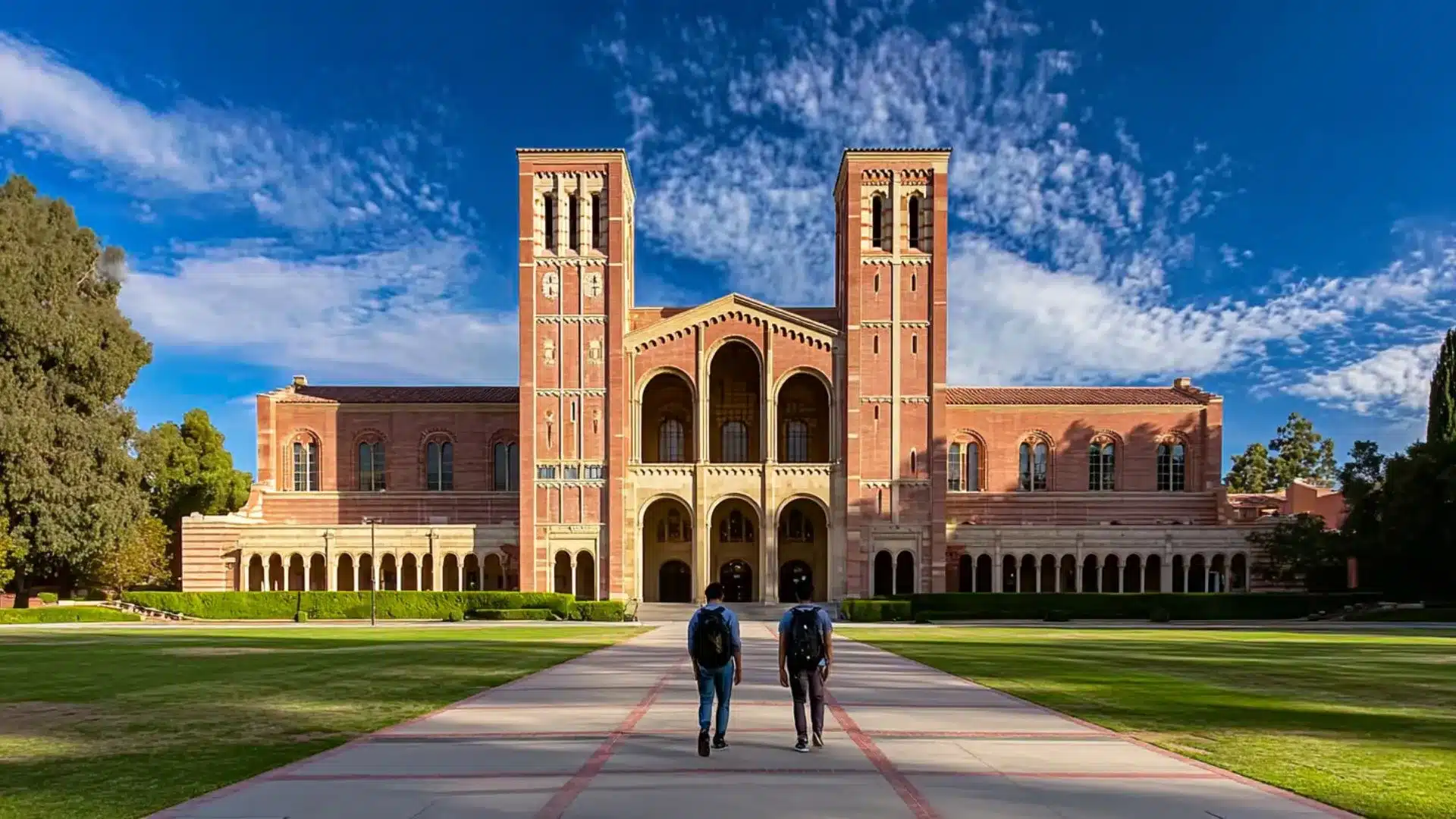


Applying to Emory School of Medicine means understanding some tough numbers first. Every year, many students send in applications, but only a small group gets in.
The Emory Med School acceptance rate shows exactly how competitive this school really is. That number might seem discouraging at first glance.
But it also gives you a clear image of what admissions expects. Knowing the real odds helps you plan your application with more focus.
It shapes how you approach your grades, your test scores, and your story. Once you understand this rate, the rest of the process feels less confusing. Clear goals make every step of applying easier.
Emory School of Medicine at a Glance
Before you weigh your odds, here’s the groundwork that shapes everything else about this program, straight from Emory School of Medicine:
|
Detail |
Information |
|
Location |
Druid Hills neighborhood, Atlanta, Georgia |
|
Founded |
1915 (roots trace back to 1854 as Atlanta Medical College) |
|
Program Types |
MD, MD/PhD, MD/MPH |
|
Program Length |
Four years, structured across four academic phases |
|
Campus Setting |
Suburban, within Emory University’s main campus |
|
Health System |
Robert W. Woodruff Health Sciences Center |
|
Affiliated Hospitals |
Emory University Hospital, Grady Memorial Hospital, Children’s Healthcare of Atlanta |
|
Accreditation |
Liaison Committee on Medical Education (LCME) |
|
Other Degree Offerings |
Anesthesiology and Genetic Counseling master’s programs, Physical Therapy, Physician Assistant training |
|
Dean |
Sandra L. Wong, MD, MS |
Now that you know where you would be studying and who you would be training alongside, here’s what it actually takes to earn your spot there.
Admission Requirements and What Emory Looks For
Getting your application noticed starts with meeting these core expectations:
- Prerequisite Coursework: A solid foundation in biology, chemistry, physics, and biochemistry, backed by a strong GPA across the board.
- MCAT Submission: A competitive score that reflects genuine readiness for rigorous medical coursework.
- Letters of Recommendation: Strong, specific endorsements from professors or mentors who know your work firsthand.
- Clinical Exposure: Hands-on time in patient-facing settings that shows you understand what the profession actually demands.
- AMCAS and Secondary Application: A completed primary application followed by Emory’s own supplemental questions.
- Holistic Review Factors: Leadership roles, community involvement, and extracurricular depth that round out your academic profile.
Meeting these basics gets your file past the first review stage. From there, admissions looks more closely at what makes your story stand out.
Emory Med School Acceptance Rate Explained

Raw application numbers only tell half the story. To understand what your real chances look like, it helps to break the rate down by year, by stage, and by the academic profile of students who actually get in:
1. The Acceptance Rate Trend Over the Years
Competition for a seat at Emory has only intensified. Applications continue climbing year over year, while the incoming class size stays deliberately small and unchanged.
According to Emory’s official class profile, the school expects well over 12,000 applications against just 242 available spots.
That growing gap between applicant volume and seat count is exactly why your odds feel tighter with each passing cycle, regardless of how strong your own application looks on paper.
2. The Current Emory Med School Acceptance Rate
Emory’s medical school accepts roughly 2.6 percent of applicants who complete their full application. This data is according to the latest U.S. News Emory University report page.
It places Emory firmly among the tightest acceptance windows in the country, well below the national medical school average
A strong GPA and MCAT score keep your file in the reviewing pool, but at this rate, they’re rarely enough on their own to separate you from thousands of equally qualified candidates.
3. Average GPA of Accepted Students
Grades matter, but the bar sits higher than most applicants expect. The class profile places the average undergraduate GPA at 3.81 for its incoming class.
That number reflects students who consistently performed at the top of their undergraduate cohorts across a wide range of institutions.
If your GPA sits below this mark, it doesn’t disqualify you, but it does mean the rest of your application needs to work harder to compensate for that academic gap.
4. Average MCAT Score of Accepted Students
MCAT performance follows a similarly demanding pattern. The same official source lists a mean cumulative MCAT score of 514.9, well above the national average for matriculating medical students.
Scoring near or above this benchmark signals genuine readiness for Emory’s rigorous coursework.
Falling short doesn’t end your chances outright, but it does raise the importance of research, clinical exposure, and letters that speak convincingly to your academic potential beyond a single test score.
5. Academic Profile of Successful Applicants
Successful applicants come from remarkably diverse academic backgrounds. The incoming class drew students from 66 different undergraduate institutions, with matriculants ranging from 21 to 31 years old.
Notably, 92 percent identified as non-traditional applicants, meaning most took time between undergrad and medical school.
This pattern suggests gap years, research stints, or career changes aren’t red flags. If anything, they’re the norm among students who ultimately earned a seat.
Note: These numbers can shift slightly each admission cycle, so check Emory’s official sources for the most current figures.
What Students and Applicants Say About Emory Admissions?

Numbers only tell you part of the story. For the unfiltered version, an official Reddit thread breaks down what real applicants actually experienced.
One user named j11234567890 shared their own rejection story, despite strong stats and solid extracurriculars. Another commenter, TitanTigers, called the odds roughly 2.5%, reinforcing just how selective your chances really are.
Several threads push back on a common myth: that a high GPA and MCAT alone guarantee your seat. Users stress research, physician shadowing, and personalized letters as equally important.
A few commenters mention gap years as increasingly common among accepted students, giving you more time to build your profile before applying.
Once you have absorbed these perspectives, your next step is knowing exactly when to apply. That timing matters more than you might think.
Application Timeline and Deadlines
Your GPA and MCAT only matter if you submit your application on time.
Have a look at how the Emory’s admission calendar usually unfolds:
|
Timing |
Key Step |
|
May |
AMCAS application opens |
|
October |
AMCAS primary application deadline |
|
December |
Emory secondary application deadline |
|
October through February |
Interview season |
|
March |
Financial aid application deadline |
|
April |
Final decision deadline for dual MD/PhD acceptances |
|
June |
Deadline to commit to Emory over other acceptances |
|
July |
Final commitment deadline before matriculation |
|
August |
Matriculation into the incoming class |
Emory reviews applications on a rolling basis, so submitting early works in your favor even though it doesn’t guarantee an interview. Check the official MD Admission Deadlines page to verify current dates.
Ways to Build a Stronger Emory Medical School Application
Because many applicants have excellent grades and MCAT scores, here are some tips that set you apart from the crowd.
- Build Long-Term Clinical Experience: Sustained roles, whether as a scribe, EMT, or hospital volunteer, show you understand patient care beyond the surface. Reviewers notice consistency.
- Gain Meaningful Research Exposure: Being able to explain your role, your findings, and what you learned matters more than the label on your resume.
- Demonstrate Consistent Community Service: Reviewers look for genuine investment, not a checklist of activities squeezed in before applying.
- Write a Personal Statement With Specific Examples: Specific moments, real patients, real setbacks, and real growth make your story memorable and distinct.
- Secure Strong Recommendation Letters: A letter from someone who knows your daily work closely will always outweigh one from a bigger name who barely knows you.
Remember, a balanced application that demonstrates both academic readiness and personal impact.
Frequently Asked Questions (FAQs)
Does Emory Offer In-State Advantage For Georgia Residents?
No, Emory is a private institution, so Georgia residency provides no meaningful boost. Out-of-state and international applicants compete under the same holistic review standards.
Is Emory School Of Medicine Expensive To Attend?
Emory’s tuition ranks among the higher private medical school costs nationally. Many admitted students receive need-based aid, merit scholarships, or loan support through financial aid counseling.
Does Emory Accept International Applicants For MD Programs?
Emory considers international applicants, though acceptance remains extremely limited. Most funding and visa pathways favor U.S. citizens and permanent residents over international candidates.
Is The MD/PhD Program Fully Funded At Emory?
Yes, Emory’s MD/PhD program typically covers tuition and provides a living stipend throughout training, reducing financial burden for students pursuing combined research and clinical careers.
Does Emory Pull Many Students From Its Waitlist?
Waitlist movement varies yearly and often depends on enrollment deposits elsewhere. Some applicants join Emory later in the cycle, though movement isn’t guaranteed or predictable.
Your Next Step
The Emory med school acceptance rate shows this school reviews each application with care. Getting in takes more than good grades and a solid test score.
It takes steady effort, clear goals, and honest work on your part. Strong grades help your application, but other parts matter too. Clinical hours, research work, and solid letters all add real value.
Some applicants apply more than once before getting an acceptance letter. Stay patient, keep building your file, and follow the steps closely.
Small, steady efforts add up to a stronger application over time.
Got questions about your own chances at Emory? Drop them in the comments below.