

Online learning academy expands the availability of flexible online education options.
From statewide virtual schools to charter and private programs, students now have more educational choices than ever.
Choosing the right academy depends on factors like learning style, graduation requirements, and support services. This blog covers how online academies work, compares different options, and highlights key factors to consider before enrolling.
How Does an Online Learning Academy Work?
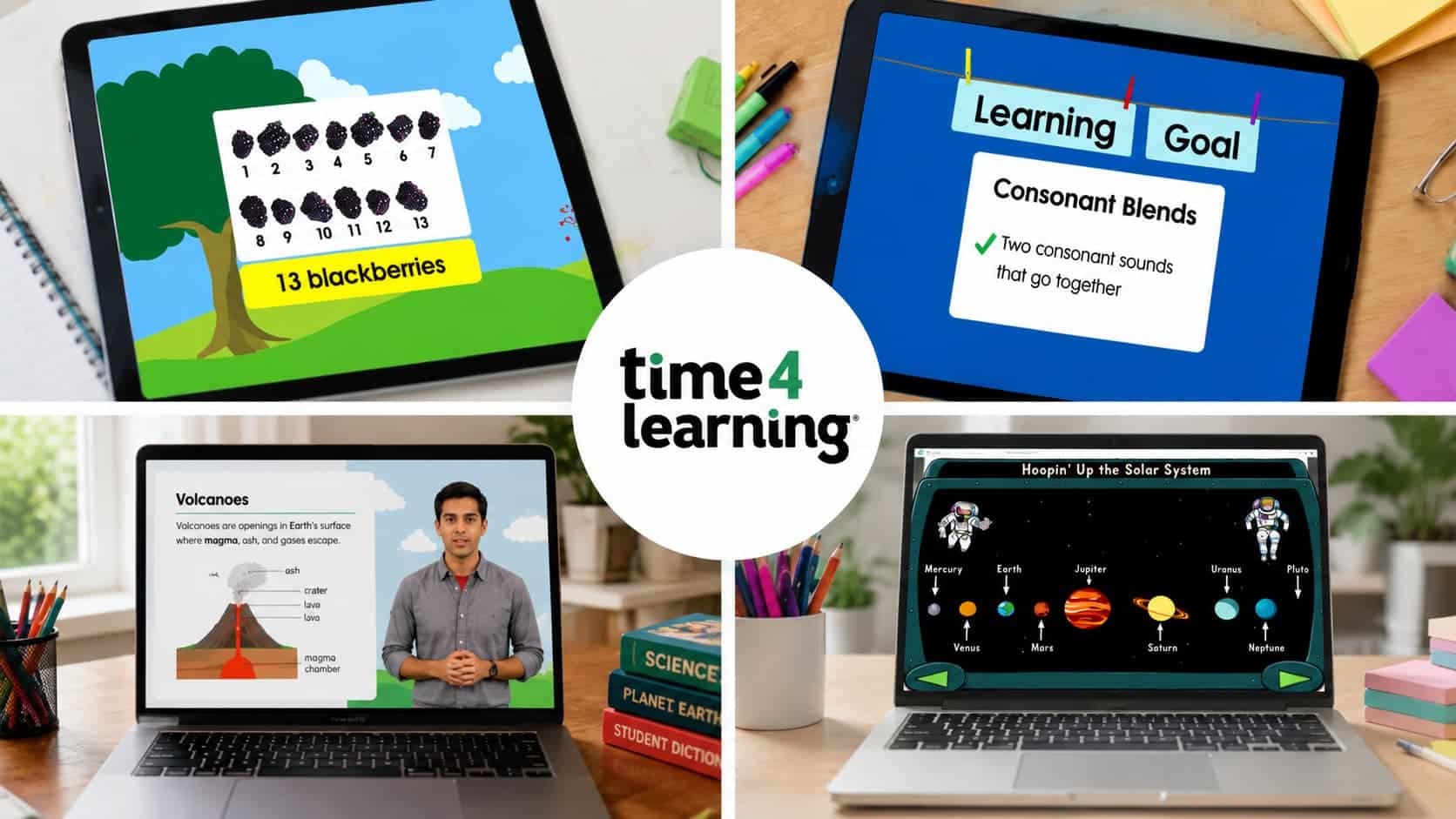
An online learning academy delivers lessons through a digital platform instead of a traditional classroom.
Students log in from home to attend live classes, watch recorded lessons, complete assignments, and communicate with teachers. Some academies follow a fixed daily schedule, while others allow students to study at a more flexible pace.
Certified teachers explain lessons, review work, track progress, and provide extra support when needed.
Students may also join virtual discussions, group projects, tutoring sessions, and online clubs.
Attendance is usually recorded through class participation, completed coursework, or login activity.
District and statewide programs generally follow state education standards and graduation requirements.
Technology and Learning Tools You’ll Need
Before enrolling, make sure you have the technology needed to support your learning experience.
- Use a reliable device that can run learning platforms, video classes, and required educational software smoothly.
- Ensure consistent internet access so you can attend classes, download materials, and submit assignments on time.
- Access platforms where you can view lessons, track progress, submit coursework, and communicate with instructors.
- Use platforms that support live classes, virtual discussions, and direct interaction with teachers.
- Access online textbooks, educational apps, digital libraries, and other study materials.
- Use high-quality audio and video equipment to participate more effectively in virtual classes.
- Follow safe online practices and use updated security software to protect personal information.
Types of Online Learning Academies

Understanding the different types can help you compare costs, enrollment requirements, curriculum, and student support before choosing a program that aligns with your educational goals.
Parents comparing options by age group can also check program fit by grade level before narrowing down their choices to a specific academy.
1. Public Online Learning Academies
Public online learning academies are tuition-free programs funded by state or local education systems.
They typically follow state academic standards, employ certified teachers, and award recognized diplomas to eligible students living within approved enrollment areas.
Students enroll through approved public education systems and complete state-aligned courses online with teacher guidance and academic support.
Popular examples include:
2. District Virtual Schools
They often serve students residing within district boundaries, offering the same curriculum, graduation requirements, and student services as their traditional campus-based schools.
Students follow their district’s curriculum online while receiving instruction, support services, and academic tracking from district staff.
Popular examples include:
3. Statewide Virtual Academies
Statewide virtual academies accept eligible students from across an entire state, not a single district.
These schools provide standardized curricula, certified instruction, and greater access to courses for families seeking flexible public education.
Students from different regions enroll in a state-approved online program and complete courses through a centralized virtual platform.
Popular examples include:
- Washington Virtual Academies (WAVA)
- Volunteer State Virtual Academy (VSVA)
- Minnesota Virtual Academy (MNVA)
4. Online Charter Schools
Online charter schools are publicly funded but independently managed under a charter agreement.
They often provide unique teaching approaches, specialized academic programs, or flexible learning models while remaining tuition-free for eligible students.
Students attend tuition-free virtual classes through a charter-approved curriculum while receiving instruction from certified online teachers.
Popular examples include:
5. Private Online Academies
Private online academies charge tuition and may offer smaller class sizes, specialized curricula, advanced placement courses, or international programs.
Admission requirements, tuition costs, and accreditation can vary between institutions.
Students pay tuition to access private online courses, personalized instruction, and specialized academic programs.
Popular examples include:
6. College Prep and Specialized Online Schools
College prep and specialized online schools focus on specific educational goals, such as university preparation, STEM, performing arts, language immersion, or career and technical education.
These programs help students develop targeted skills while completing their academic requirements.
Students follow focused online pathways designed around college preparation, career skills, or specialized subjects with expert instruction.
Popular examples include:
Students weighing extra academic enrichment alongside a specialized track can also browse summer options for high schoolers that pair well with an online course load.
How to Choose the Right Online Learning Academy?
Choosing the right platform requires comparing factors that affect academic quality, flexibility, and student support.
Use these points to evaluate different programs before enrolling:
Factors to Consider | What to Check |
|---|---|
Accreditation Status | Verify recognized courses, credits, or diplomas that meet education standards |
Curriculum Options | Compare subjects, electives, AP courses, honors programs, and specialized classes |
Teacher Support | Check instructor qualifications, feedback, communication, and academic guidance |
Learning Formats | Compare live classes, self-paced lessons, and blended learning options |
Enrollment Requirements | Review eligibility rules, deadlines, residency requirements, and application steps |
Technology Requirements | Confirm device needs, software requirements, and internet accessibility |
Student Services | Look for tutoring, counseling, academic advising, and technical support |
Costs and Fees | Compare tuition, learning materials, and additional expenses before enrolling |
Resources for Finding Accredited Online Learning Academies
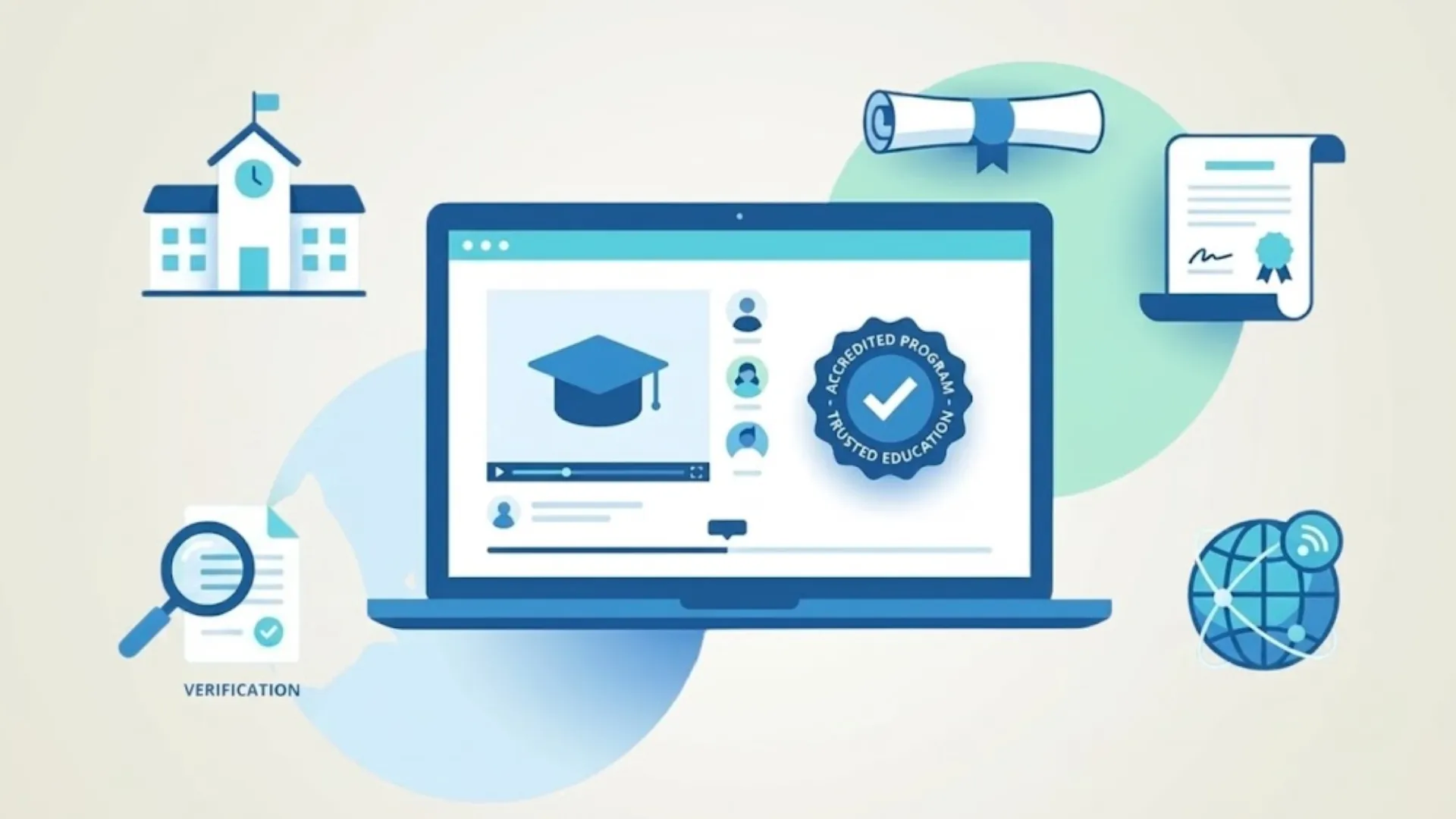
Finding an accredited online learning academy is easier when you know where to look.
Recognized education websites and organizations can help you identify honest programs that meet academic standards.
- Check official state education portals for approved virtual schools, accreditation details, and enrollment guidelines.
- Explore district websites to find available online academies, course options, and eligibility requirements in your area.
- Review regional education organizations for information on recognized online programs and educational services.
- Verify academy accreditation through recognized agencies that evaluate academic standards and program quality.
- Use trusted college planning platforms to compare advanced courses, graduation pathways, and preparation programs.
- Review academic data, graduation rates, student outcomes, and program reviews before enrolling.
Pros and Cons of Online Learning Academy
Understanding both sides helps students and parents decide if virtual learning suits their needs and routine.
Pros | Cons |
|---|---|
Learn from anywhere with an internet connection | Requires reliable internet and a suitable device |
Flexible schedules in many programs | Students need strong self-discipline and time management |
Personalized learning pace in some courses | Less face-to-face interaction with teachers and classmates |
Access to a wider range of courses and electives | Younger students may need regular parental support |
Safe learning environment from home | Increased screen time during the school day |
Certified teachers provide instruction and feedback | Technical issues can interrupt learning |
Ideal for students with medical, travel, or scheduling needs | Hands-on activities and lab experiences may be limited |
Eliminates daily commuting time and transportation costs | Extracurricular opportunities may vary by program |
End Note!
The best choice depends on your learning style, access to technology, and ability to manage your time independently.
Compare accreditation, tuition, curriculum, teacher support, graduation, and activities before enrolling. Review official education websites and speak with program representatives to find reliable schools that match your goals.
Have you studied through an online learning academy, or are you considering one today?
Share your experience, questions, or helpful tips in the comments below.
Frequently Asked Questions (FAQ’s)
1. Can Students Earn a Recognized High School Diploma Online?
Yes, accredited online academies offer recognized high school diplomas meeting educational standards.
2. Is an Online Learning Academy the Same as Homeschooling?
No, online academies provide structured courses and certified teachers, while homeschooling is parent-directed education.
3. How Do Online Students Take Exams?
Students complete online exams via secure platforms, with some requiring monitored or proctored assessments.
4. Can a Student Switch to an Online Learning Academy Mid-Year?
Yes, but enrollment windows and transfer rules vary by program. Contact the registrar to confirm the requirements.