

Finding the right educational programs can make a real difference in a student’s life.
Many places offer a wide range of educational programs across public schools, online platforms, community colleges, and government-funded institutions.
This blog walks you through everything you need to know to find the program that fits your goals, location, and budget.
Understanding Educational Programs and How They Work
Educational programs are structured learning systems designed to help students gain knowledge, develop skills, and reach specific academic or career goals.
These programs exist across every level of education, from early childhood through adulthood.
They follow a defined curriculum, a set schedule, and measurable learning outcomes to keep students on track
Children, teenagers, adults, and individuals with special learning needs can all find a program tailored to their unique needs.
Choosing the right one early saves time, money, and effort in the long run.
How to Find Educational Programs Near You?
Searching for the right educational program starts with knowing where to look.
Talking directly to your school district can reveal programs that never show up in online searches.
Here are practical questions worth asking:
- What specialized academic programs does this district currently offer?
- Does this district offer magnet or charter school options?
- How do students apply for special education or gifted and talented programs?
- What after-school or enrichment programs does the district fund?
- Are there any new programs launching in the upcoming school year?
- What financial assistance is available for families who cannot afford program fees?
Most school districts are happy to answer these questions over the phone or by email.
Getting clear answers before enrolling saves time and helps you find the best available option for your child.
Types of Educational Programs Available in the USA
The United States offers a broad range of educational programs built for every stage of life.
From early childhood development to adult continuing education, understanding what is available helps students and families make smarter, more confident enrollment decisions.
1. Early Childhood Educational Programs
Early childhood programs serve children from birth to age 5, focusing on foundational learning and school readiness across the United States.
Program Type | Institution | Location |
|---|---|---|
Free Early Education | Texas, California, New York | |
Preschool Standards | Nationwide | |
Early Childhood Development | State Pre-K Programs | All 50 States |
This isn’t a single institution for state pre-K programs; each state runs its own pre-K program (e.g., Texas Pre-K, California TK). The National Institute for Early Education Research tracks every state’s program.
These programs give young children a strong academic and social foundation before they enter kindergarten.
2. K12 Academic Programs
K12 programs include public, magnet, and charter schools that serve students in grades kindergarten through 12 and offer specialized academic tracks across the country.
Program Type | Institution | Location |
|---|---|---|
Charter School | New York, Texas, Colorado | |
Magnet School | Florida | |
STEM Focus | Illinois |
Families researching options beyond their zoned school often start by comparing structured programs available through their district, since charter and magnet tracks vary widely from one state to the next.
3. Special Education Programs
Federally supported special education programs serve students with physical, cognitive, and learning disabilities, providing tailored environments built around individual needs.
Program Type | Institution | Location |
|---|---|---|
Visual Impairment | Watertown, Massachusetts | |
Public Special Education | New York | |
Disability Support | Ohio |
Families can contact their local school district to request a special education evaluation at no cost.
4. After-School and Enrichment Programs
After-school programs extend learning beyond regular school hours through tutoring, STEM clubs, and arts activities in communities across the country.
Program Type | Institution | Location |
|---|---|---|
Youth Development | All 50 States | |
Community Learning | Michigan, Arizona, North Carolina | |
STEM Enrichment | Nationwide |
These programs are often free or low-cost and can be found through your local school district or community center.
5. Online Educational Programs
Online educational programs offer accredited learning through virtual and hybrid formats, giving students everywhere equal access to quality education.
Program Type | Institution | Location |
|---|---|---|
K-12 Virtual School | Nationwide | |
K-12 Online Learning | Nationwide | |
Online Degree Programs | Nationwide |
Always verify accreditation before enrolling in any online program to ensure your credentials are recognized.
6. Vocational and Career-Based Programs
Vocational programs prepare teens and adults for skilled trades and careers through hands-on training at institutions across the United States.
Program Type | Institution | Location |
|---|---|---|
Trade School | New Jersey, Texas, Florida | |
Career Technical Education | Nationwide | |
Community College CTE | Texas |
Vocational programs often take less time and cost less than traditional degrees while leading directly to in-demand careers.
7. Adult and Continuing Education Programs
Adult education programs help individuals earn new credentials and complete their education while managing everyday work and family responsibilities.
Program Type | Institution | Location |
|---|---|---|
Community College | Texas | |
Community College | California | |
Adult Education | Nationwide |
Adult learners balancing work and family can also build functional skills for career growth through short, targeted courses instead of committing to a full degree program right away
Government-Funded Educational Programs
The US government funds several educational programs that families can access at little or no cost. Title I programsaid low-income schools, and the state offers free early childhood education for children aged 0 to 5.
TheIndividuals with Disabilities Education Actfunds special education for students with learning needs nationwide.
State governments also provide additional funding based on income, residency, and eligibility.
To apply, start with these steps:
- Visit your state Department of Education website.
- Complete the FAFSA form for federal financial aid at studentaid.gov.
- Contact your local school district for program-specific applications.
- Check income eligibility requirements before applying atbenefits.gov.
Most funded programs have rolling deadlines, so applying early increases your family’s chances of securing a spot before enrollment closes.
How to Choose the Right Educational Program?
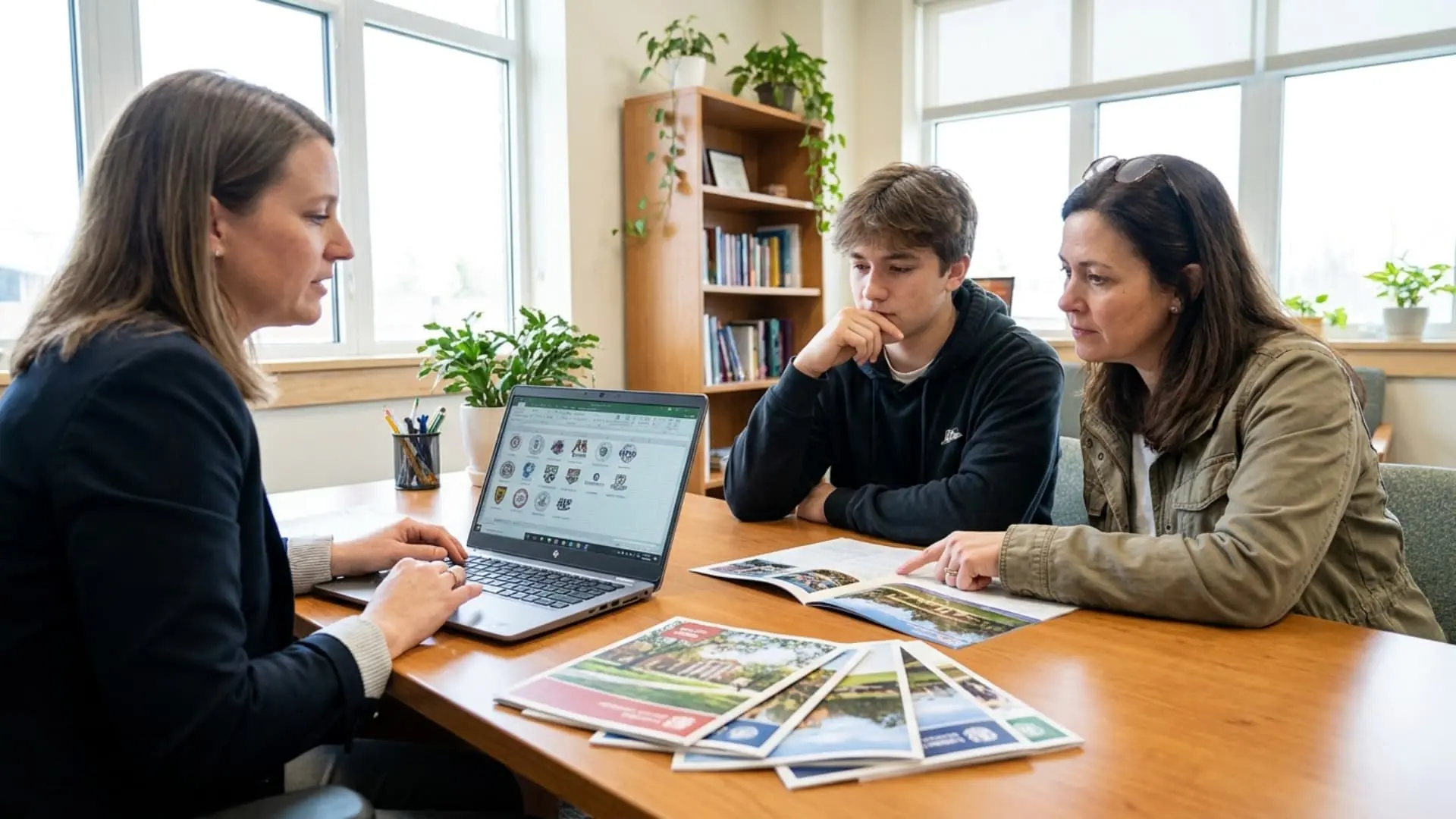
Before choosing a program, compare these important factors to find one that fits your goals, budget, and learning needs.
- Choose a program that aligns with your professional objectives and supports your desired career path.
- Review the course content to ensure it builds relevant knowledge, skills, and expertise for your interests.
- Choose online, hybrid, or in-person options based on your schedule and preferred learning style.
- Compare tuition, financial aid, job placement, internships, and graduate success before enrolling.
- Review schedules, campus facilities, technology, and support services to match your learning requirements.
Carefully weighing these factors helps you choose a program supporting your education and future career.
Pros & Cons of Enrolling in a Structured Educational Program
Enrolling in the right educational program delivers real, measurable benefits that extend beyond the classroom.
Here is a quick look at the pros and cons to help you make a more informed decision.
Factor | Pros | Cons |
|---|---|---|
Academic Performance | Measurable improvement in subject knowledge | Requires consistent time and commitment |
Communication Skills | Stronger teamwork and problem-solving abilities | Group settings may not suit every learner |
Emotional Growth | Increased confidence in students of all ages | The adjustment period can be challenging |
Graduation Outcomes | Higher graduation and college enrollment rates | Not all programs guarantee outcomes |
Career Readiness | Improved job market competitiveness | Few programs need additional certifications |
Students who participate in structured educational programs consistently show better long-term results in both academic performance and professional life, making enrollment a worthwhile investment for learners of all ages.
How Do Educational Programs Support Long-Term Student Success?
The right educational programs do more than teach academic skills.
They influence students’ thinking, problem-solving, and life prep.
Students in accredited programs are more likely to graduate on time, pursue higher education, and get stable jobs.
Whether you choose a public school program, an online learning option, or a government-funded initiative, the long-term impact of that decision follows a student for years.
Investing time in finding the right educational program today builds a stronger and more confident future for every learner.
Wrapping It Up
The right learning path can create opportunities that match your goals, interests, and future plans.
If you are searching for early childhood programs, K-12 options, vocational training, or adult continuing education, the right choice is out there for every learner at every stage of life.
Start by identifying your goals, verifying accreditation, and both public and government-funded options available in your area.
Start your search today and find the educational programs that can help you move closer to your goals.
Frequently Asked Questions (FAQ’s)
Are There Free Educational Programs Available Near Me?
Yes, government-funded options like Head Start, Title I schools, and public K-12 programs are available at no cost to eligible families nationwide.
How Do I Know If an Educational Program is Accredited?
Check the program’s website for accreditation details or verify through the Department of Education’s official database at Ed.gov before enrolling.
Can Adults Enroll in Educational Programs?
Yes, community colleges, workforce development programs, and online institutions across the USA offer flexible educational programs designed specifically for adult learners.
What is the Difference Between an Educational Program and a Course?
A course is a single-subject class, while an educational program is a structured series of courses designed to meet a specific learning or career goal.