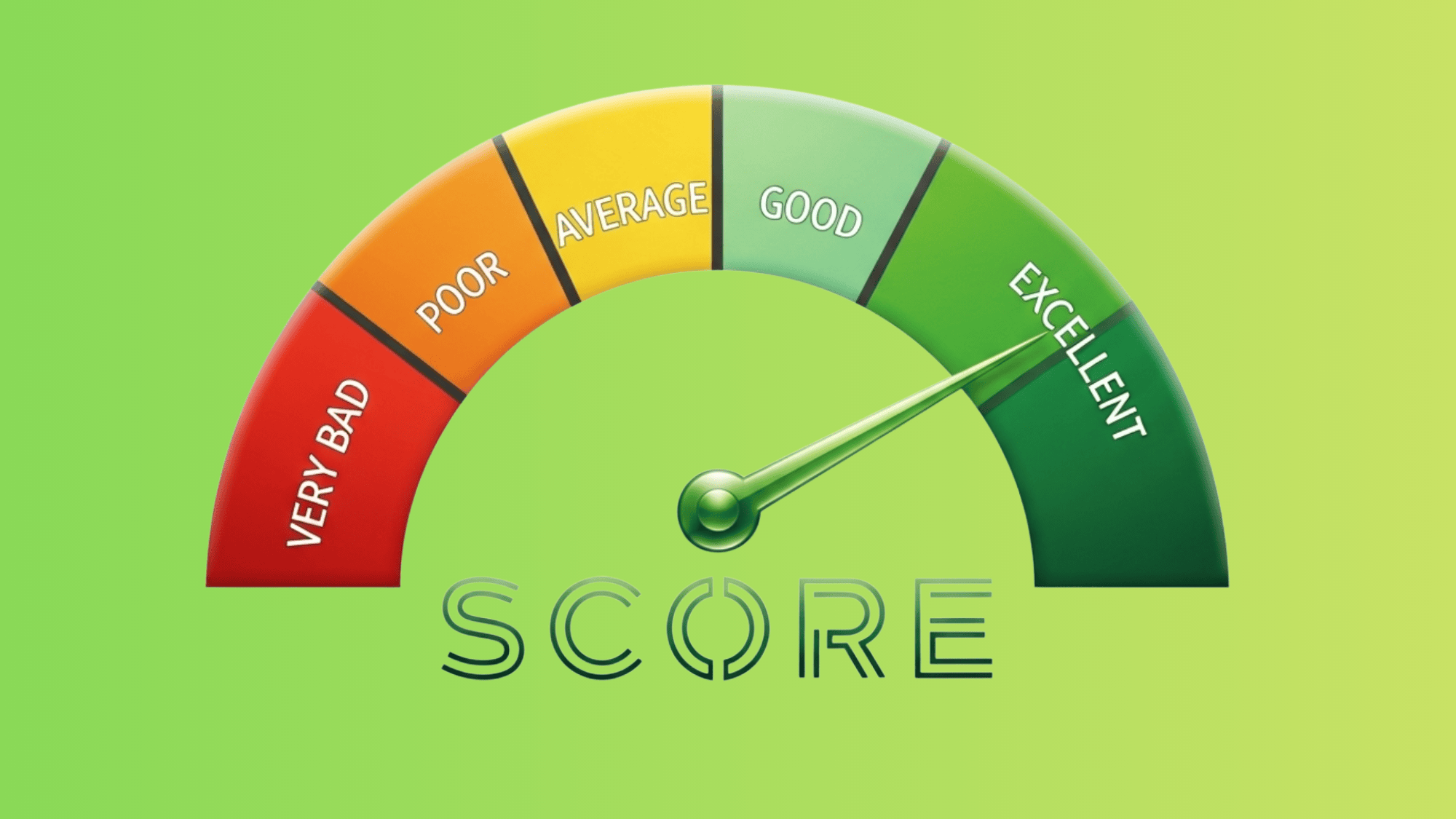

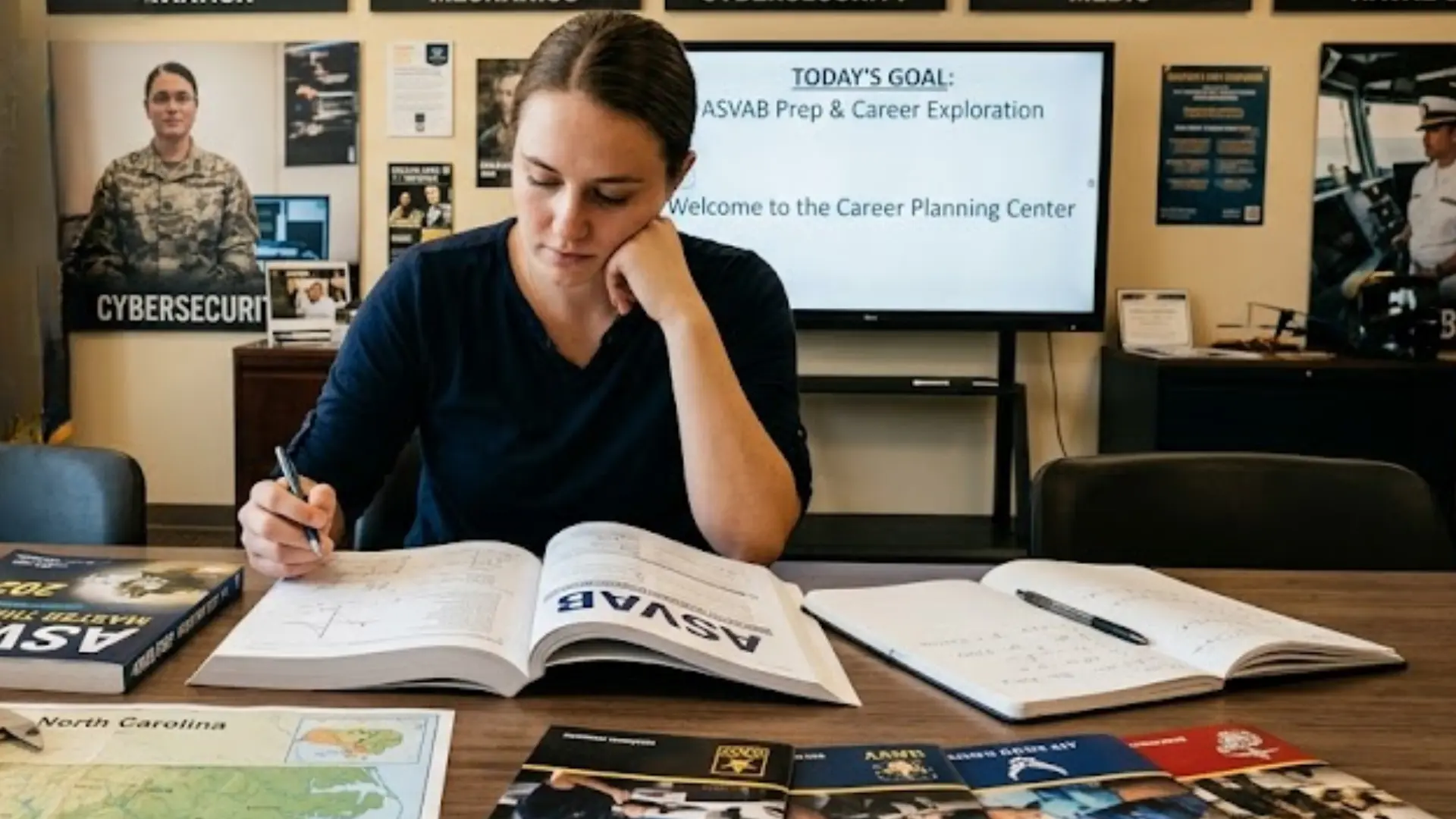
Not everyone who signs up for military service makes the cut, and the ASVAB is often why.
The ASVAB is a military entrance exam that tests everything from math and reading to mechanics and electronics.
A low score can limit your job options or block enlistment entirely. Many recruits ask, “Is the ASVAB hard?” The honest answer is that it depends on how prepared you are.
It covers a wide range of subjects, and not all of them feel familiar. Consistent study time shifts the odds in your favor. Keep reading to find out what it actually takes to score well.
ASVAB Basics Every Test Taker Should Know
The ASVAB is a military entrance exam used by all U.S. branches to measure eligibility and match candidates to career paths. It is available in computer-adaptive and paper versions, with the AFQT percentile score as the key result used for enlistment and job qualification.
| Category | CAT-ASVAB | Paper & Pencil (P&P) |
|---|---|---|
| Questions | 145 | 225 |
| Time | 154 minutes | 149 minutes |
| Difficulty Level | Changes based on answers | Fixed during the full test |
| Purpose | Enlistment eligibility and career matching | Enlistment eligibility and career matching |
| Main Score | AFQT percentile score (1–99) | AFQT percentile score (1–99) |
| Score Meaning | Higher score = better performance than other test takers | Higher score = better performance than other test takers |
The table below gives a quick comparison of the ASVAB test formats, scoring system, timing, and how the results affect military eligibility and job options.
Is the ASVAB Hard? Factors That Affect Test Difficulty
Several things affect how difficult the ASVAB feels for each person:
1. Educational Background
Your educational background can affect ASVAB preparation. Students who recently finished high school or college usually find the math and verbal sections easier because the material is still familiar.
If you have been away from school for several years, do not worry. A few weeks of focused study and regular practice can quickly refresh your knowledge and improve your confidence before the exam day arrives.
2. Language
If English is not your first language, the ASVAB verbal sections may feel more challenging. Extra preparation can make a big difference in your score.
Spend two to three additional weeks improving vocabulary, reading comprehension, and basic grammar skills.
Daily reading practice and learning new words can help you understand questions more quickly and answer them with greater confidence on test day.
3. Test-Taking Skills
Knowing the material is important, but test-taking skills also affect your ASVAB score. Good time management, smart guessing, and staying calm under pressure can improve performance.
Taking full-length, timed practice tests helps you build confidence, improve focus, and learn to handle the real exam environment more effectively before test day.
4. Military Job Goals
If you want a specialized military job, such as aviation or intelligence, a minimum passing score may not be enough. Competitive roles require higher scores across several ASVAB sections.
Strong performance in technical and verbal subtests can improve your chances of qualifying for advanced career paths and better opportunities within the military.
All 10 ASVAB Sections Ranked by Difficulty
The ASVAB has 10 subtests, each covering a different subject area. Knowing what each section tests, like word knowledge for ASVAB prep, helps you study smarter and use your prep time well. The table below breaks down every subtest at a glance:
| Subtest | Abbreviation | What It Tests |
|---|---|---|
| General Science | GS | Life, earth, and physical science |
| Arithmetic Reasoning | AR | Word problems using basic math |
| Word Knowledge | WK | Vocabulary and word meanings |
| Paragraph Comprehension | PC | Reading and understanding written passages |
| Mathematics Knowledge | MK | High school-level math concepts |
| Electronics Information | EI | Circuits and electrical systems |
| Auto and Shop Information | AS | Vehicles, tools, and repair knowledge |
| Mechanical Comprehension | MC | Mechanical systems and principles |
| Assembling Objects | AO | Spatial reasoning and object assembly |
| Verbal Expression | VE | Combined score from WK and PC |
Your subtest scores do more than get you in the door. Each score maps directly to a specific military job category, so math practice for ASVAB prep matters more than most recruits realize. The higher you score, the more career options open up on enlistment day.
The Technical Sections (Hardest for Most)
If you ask, “is the ASVAB hard?” many test takers find the technical sections more difficult than math. Mechanical Comprehension, Electronics Information, and Auto & Shop Information cover gears, circuits, tools, and vehicle systems that may feel unfamiliar.
Studying diagrams, watching video lessons, and learning technical vocabulary can improve understanding, build confidence, and help you perform better on the ASVAB test.
What Is a Passing ASVAB Score?
Each military branch sets its own minimum AFQT score for enlistment. Here is a quick overview of the passing scores by branch:
| Branch | Minimum AFQT Score | Recommended Score | Retake Wait Period |
|---|---|---|---|
| Army | 31 | 50 and above | 30 days |
| Marine Corps | 32 | 50 and above | 30 days |
| Navy | 35 | 50 and above | 30 days |
| Air Force | 36 | 60 and above | 30 days |
| Coast Guard | 36 | 60 and above | 30 days |
Minimum scores in ASVAB may get you in, but scoring in the 50s, 60s, or higher gives you far better military job options and career opportunities.
Source: Score requirements are subject to change. Always verify current minimums with your recruiter or official branch website, Military branch
Studying for the ASVAB: How Long Do You Need?

A reasonable rule of thumb: give yourself at least 4 to 6 weeks of focused study. If English is your second language or you have been out of school for several years, plan for more time, closer to 2 to 3 months.
How to Figure Out Your Starting Point
Before you dive into study materials, take a full-length diagnostic practice test. This gives you a realistic view of where you stand today and which sections need the most work.
Take this diagnostic test 4 to 6 months before your planned exam date if possible.
Review each section’s results separately. Your scores will show you exactly where to focus.
Study Timeline by Score Goal
Know your goal before you build your schedule. Work backward from your target score, not your exam date.
| Branch | Minimum AFQT Score | Recommended Score | Retake Wait Period | GED Accepted | Active Duty Age Range |
|---|---|---|---|---|---|
| Army | 31 | 50 and above | 30 days | Yes | 17 to 35 |
| Marine Corps | 32 | 50 and above | 30 days | No | 17 to 28 |
| Navy | 35 | 50 and above | 30 days | Yes | 17 to 41 |
| Air Force | 36 | 60 and above | 30 days | No | 17 to 39 |
| Coast Guard | 36 | 60 and above | 30 days | No | 17 to 31 |
Passing the ASVAB gets you in, but higher scores in the 50s, 60s, or above give you better military job and career options.
Best Tips for Studying for the ASVAB
Proper preparation can make the ASVAB feel much easier. These simple study tips can help you improve your score and perform with confidence on exam day.
- Focus on AFQT Sections: Prioritize math, arithmetic reasoning, word knowledge, and paragraph comprehension because these sections determine enlistment eligibility.
- Take Full-Length Practice Tests: Complete several timed practice exams and review every mistake to improve accuracy and confidence.
- Use Trusted Study Resources: Prepare with the official ASVAB website, Mometrix, Kaplan, and Barron’s for reliable practice materials.
- Strengthen Weak Areas: Spend extra study time on subjects where your practice scores are lowest.
- Understand the CAT-ASVAB Format: The first questions strongly affect your score, so answer and avoid rushing at the beginning.
Following these study methods can help you feel more prepared, improve your confidence, and increase your chances of earning a stronger ASVAB score on test day
Common ASVAB Myths Debunked
Many students enter the ASVAB with false expectations. Knowing the facts can improve both confidence and performance.
Myth 1: You can pass without studying.
Fact: Possible but risky. Minimum scores severely limit your career options. Study anyway.
Myth 2: It is like an IQ test.
Fact: It is not. It measures aptitude and knowledge in specific areas, not raw intelligence.
Myth 3: Only math matters.
Fact: Technical subtest scores determine eligibility for many specialized roles.
Myth 4: You cannot retake the ASVAB.
Fact: You can. Waiting periods apply, but retaking is absolutely allowed.
These myths cost people real opportunities every year. Do not let a wrong assumption decide your military future. The facts are simple. Prepare well, aim high, and your score will reflect the work you put in.
What Happens If You Do Not Pass the ASVAB?
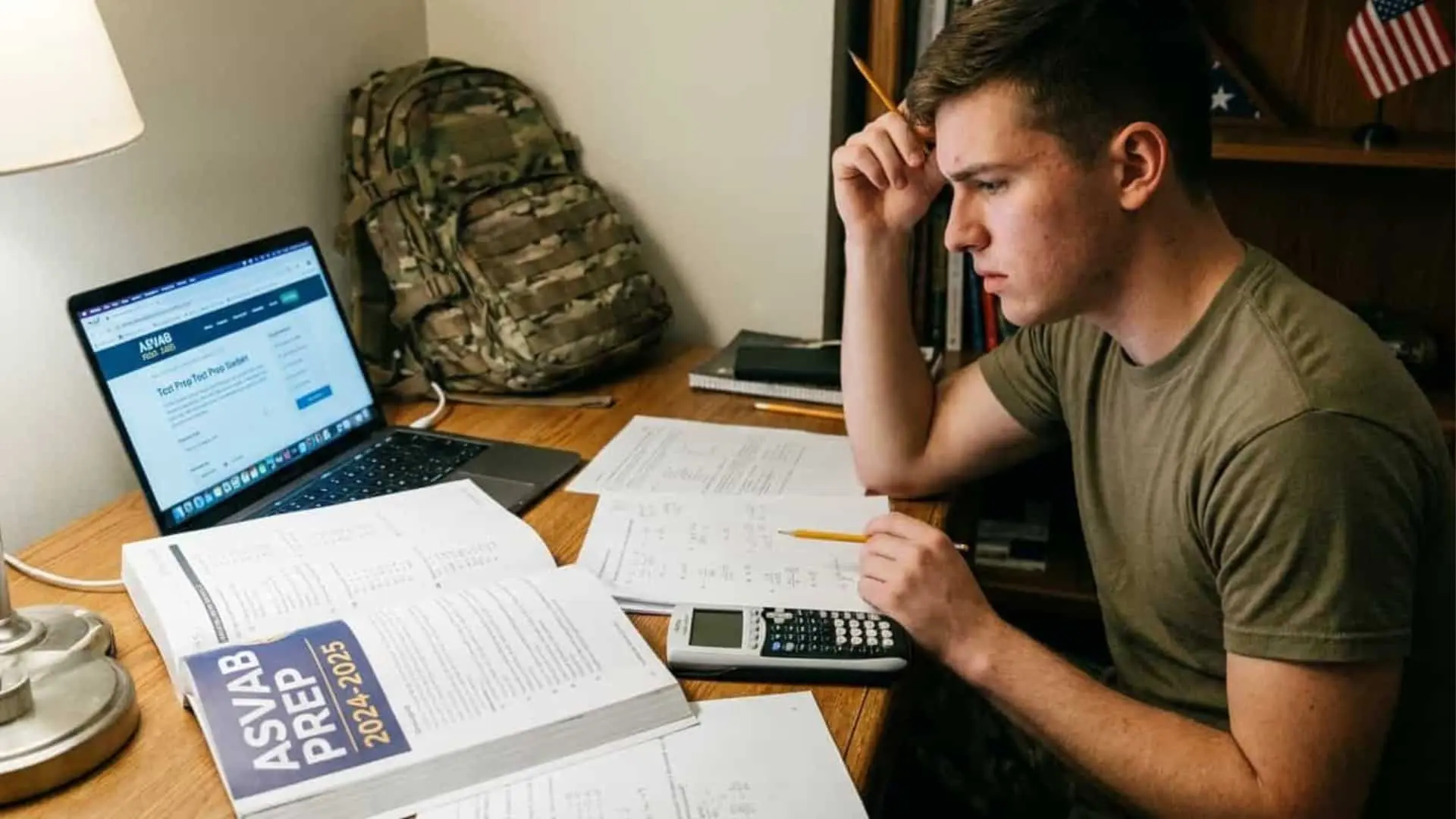
If your ASVAB score is lower than expected, the waiting period before your retake can help you prepare better for the next attempt. Review your score report carefully and focus on the sections where you missed the most questions.
Instead of using the same study routine, try new ASVAB preparation methods that match your weaker subjects. Updated study guides, practice exams, tutors, or study groups can help improve your understanding and test performance.
Before taking the ASVAB again, complete at least 3 to 4 timed practice tests. This can help improve speed, accuracy, confidence, and overall readiness for the official exam.
Special Scenarios: How Hard Is the ASVAB For…
The ASVAB does not feel the same for everyone. Your background, language, and career goals all change how much work stands between you and the score you need.
- Out of School for Years: Refresh algebra, fractions, percentages, and basic geometry first. Give yourself at least 6 to 8 weeks before exam day.
- Non-Native English Speakers: Build vocabulary daily using flashcards and practice reading English news regularly. The technical sections are less language-dependent, which works in your favor.
- Those Pursuing Elite Roles: Navy SEAL candidates need a combined Verbal Expression and Arithmetic Reasoning score of at least 110 and a Mechanical Comprehension score of at least 50. Know your requirements before you start studying.
No matter your background or career goals, the right preparation strategy can make a major difference on the ASVAB. Focus on your weak areas, study consistently, and understand the score requirements for the military role you want most.
How Hard Is the ASVAB Compared to Other Tests?
People often compare the ASVAB to the SAT or ACT, but the two are quite different.
| Topic | ASVAB | SAT | ACT |
|---|---|---|---|
| Subject Coverage | Covers math, science, mechanics, electronics, and spatial reasoning | Focuses on math and reading | Covers math, reading, science, and English |
| Technical Knowledge | Includes military and technical topics | No technical topics | No technical topics |
| Test Structure | Broad exam with many subject areas | Narrower focus on core academic skills | Narrower focus on core academic skills |
| Preparation Style | Requires study across multiple topics | Requires deeper study in fewer areas | Requires deeper study in fewer areas |
| Scoring Focus | AFQT score mainly uses the math and verbal sections | Scores based on math and evidence-based reading | Scores based on four subject area sections |
| Main Challenge | Managing many different subjects in one test | Handling advanced math and reading difficulty | Handling time pressure across four sections |
Overall, the ASVAB is not necessarily harder than the SAT or ACT, but it is different because it tests a wider mix of academic and technical skills. Strong preparation in math, verbal, and technical topics can help you perform confidently across every section.
Frequently Asked Questions
Is the ASVAB Hard to Pass?
Yes, without preparation, it can be. With 4 to 6 weeks of focused study, most people can meet or exceed their branch’s minimum requirement.
Can you fail the ASVAB?
Not in the traditional sense. But if your score falls below your branch’s minimum AFQT, you cannot enlist until you retake and improve it.
How Long Does It Take to Study for The Asvab?
Most Candidates Need 4 to 6 Weeks for a Mid-Range Score. For a Score of 70 or Higher, Plan for 2 to 3 Months of Consistent Study.
What is the Hardest Section of The Asvab?
Mechanical Comprehension and Electronics Information. Both Cover Material Not Taught in Standard High School Classes and Require Dedicated Preparation.
Ending Notes
So is the ASVAB hard? Yes, but Preparation Makes All the Difference. The test is Not Designed to Trick You. It is Designed to Show Where You Fit Best Within the Military.
Your Score is Not Fixed. Where You Start Today is Not Where You Have to Finish. With a Solid Study Plan and Consistent Practice, You Can Walk in Confident and Walk out with Options.
Do Not Just Aim to Pass. Aim Higher. Every Extra Point Unlocks Better Jobs and Better Opportunities.
Found this helpful? Save this page and share it with someone preparing for the ASVAB.