
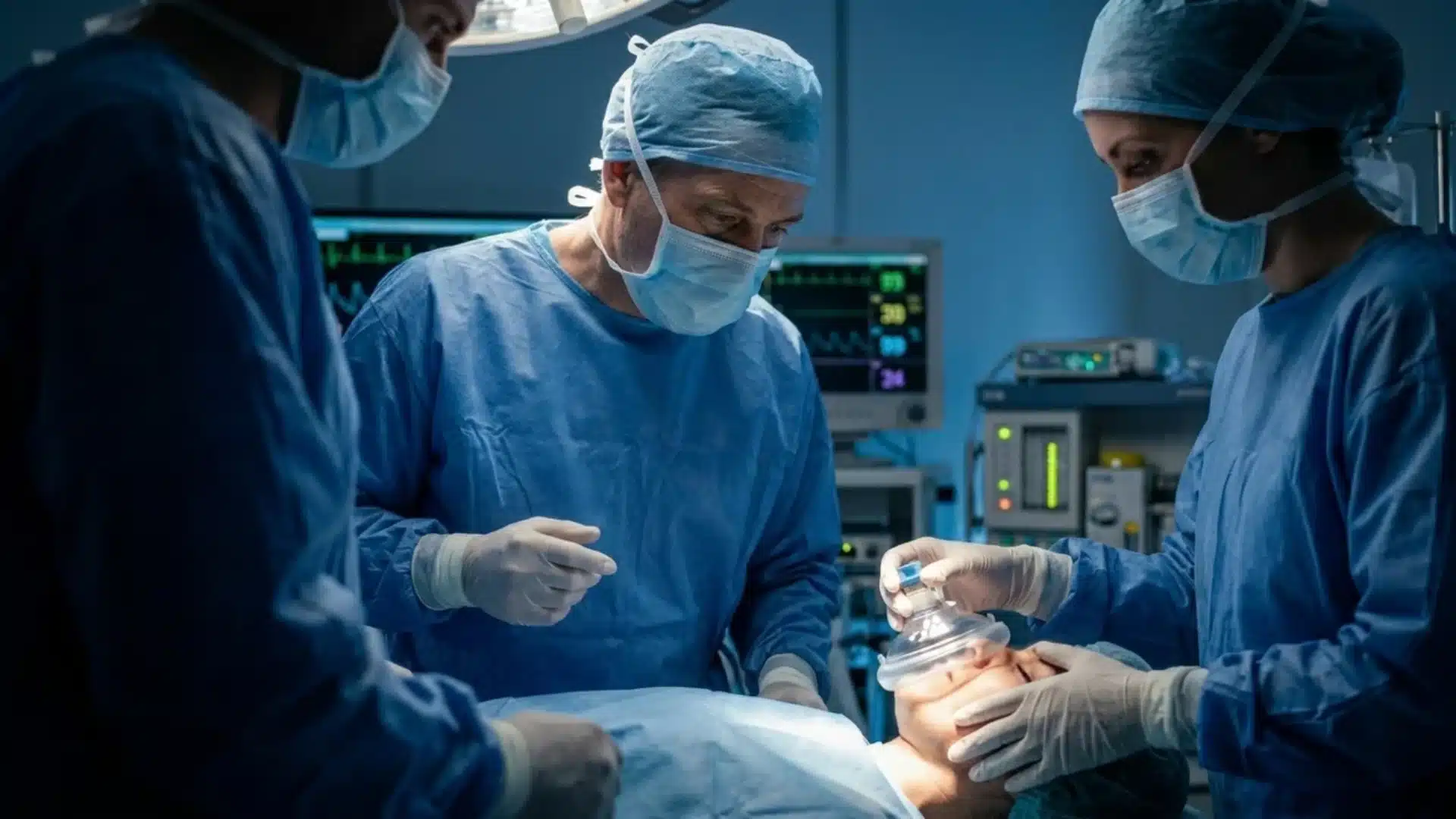
Anesthesiology ranks among the most competitive and rewarding specialties in medicine, and your choice of medical school can make a real difference in how strong your path into it becomes.
The best schools for anesthesiology give you far more than a respected name on your diploma, since real strength in this specialty comes from research depth, hands-on clinical exposure, and proven match outcomes in anesthesiology residencies.
Below, you will find the top medical schools building genuine anesthesiology pipelines, along with the specific factors that separate a strong program from an average one.
You will also walk away with practical tips for applying that help you stand out and build a competitive profile from your very first year of medical school.
Foundation Behind a Strong Anesthesiology Career
Anesthesiology draws thousands of applicants every year, and only the most prepared candidates land competitive residency spots.
Your medical school plays a bigger role in this outcome than most students realize, since it shapes your access to research, mentorship, and hands-on clinical training from day one.
Some schools offer deep connections to academic hospitals, strong anesthesiology departments, and faculty who actively guide students toward this specialty.
Other schools leave you to build these connections largely on your own, which can put you at a disadvantage when it comes time to apply for residency.
That gap often starts even earlier, in how selective medical school admissions have become in the first place, since the schools with the strongest specialty pipelines also tend to be the hardest to get into.
Best Schools for Anesthesiology
The best programs offer strict clinical training, research options, and access to respected anesthesiology departments.
Here are the medical schools that stand out for building a strong path into anesthesiology:
Program rankings and NIH funding figures shift year to year, so confirm current standings directly with each school before you build your list.
1. Harvard Medical School
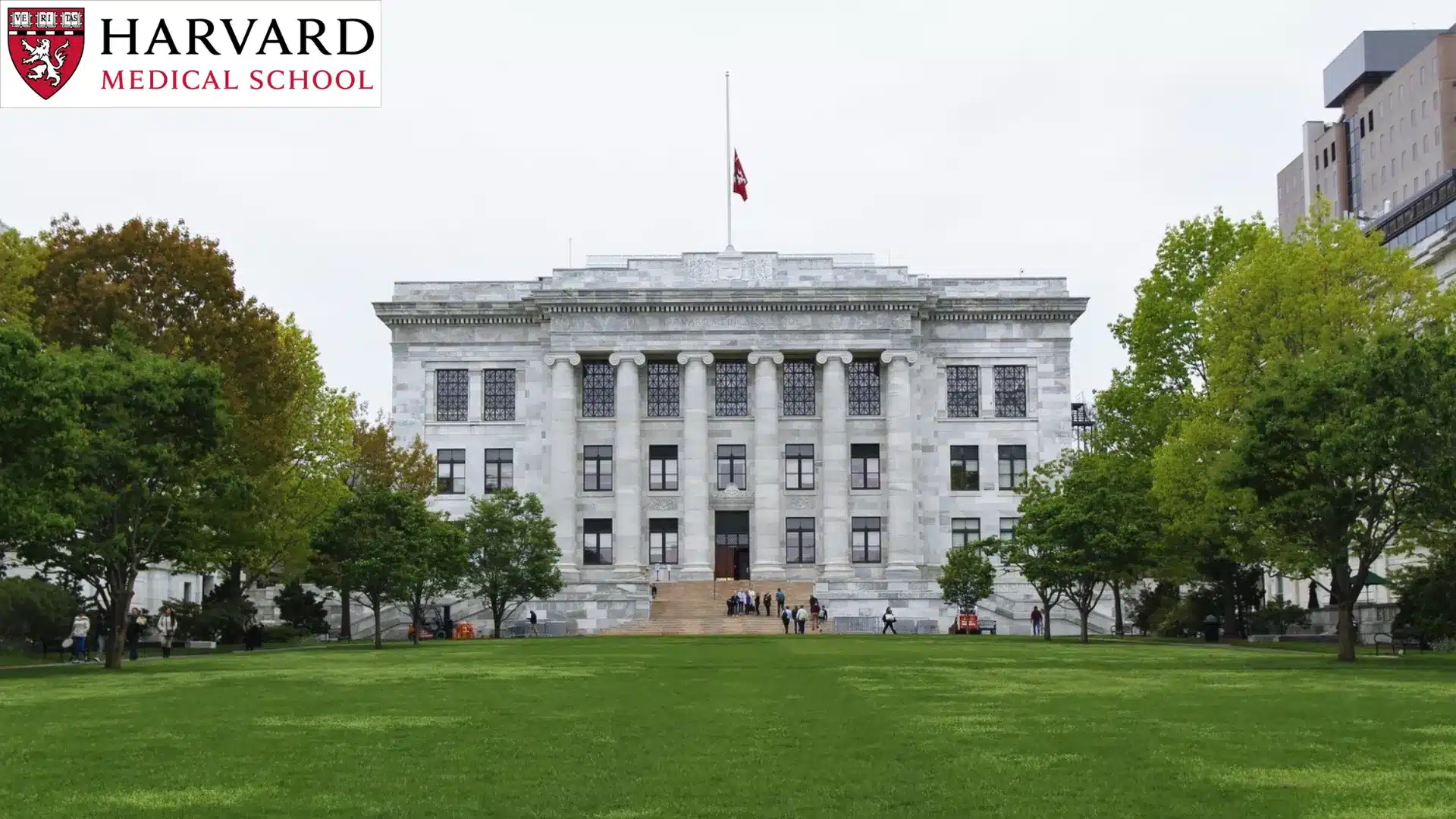
Harvard Medical School gives students a fast-paced clinical environment where they learn to handle real hospital situations quickly.
Training at Massachusetts General Hospital exposes students to complex surgeries and serious patient cases.
- Hospital Exposure: Complex surgeries and critical care at Massachusetts General Hospital.
- Research Opportunities: Focus on anesthesia safety, pain control, and surgical outcomes.
- Historic Legacy: Harvard’s hospital network traces back to the first public demonstration of ether anesthesia.
- National Recognition: Frequently ranked among top anesthesiology programs nationwide.
2. Johns Hopkins University School of Medicine
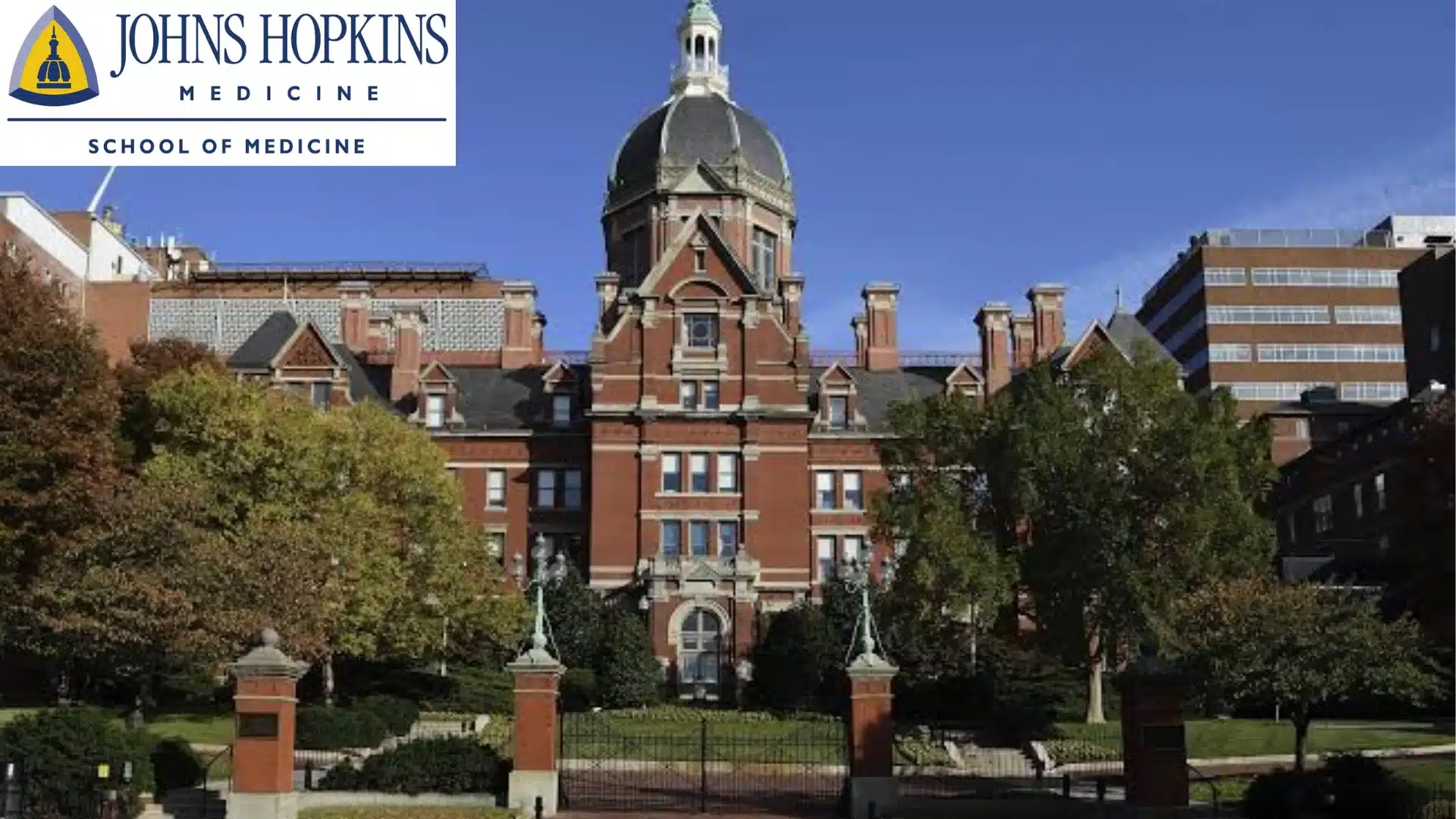
Johns Hopkins University School of Medicine helps students build clear clinical thinking through real patient care exposure.
Research opportunities cover anesthesia safety, patient care improvement, and surgical outcomes.
- Hospital Exposure: High-pressure and complex cases at Johns Hopkins Hospital.
- Specialized Training: Electives in pediatric, regional, and chronic pain anesthesia divisions.
- National Recognition: Historically ranked among the nation’s top anesthesiology programs.
- Career Outcomes: Graduates fill leadership roles in anesthesiology programs worldwide.
3. Stanford University School of Medicine
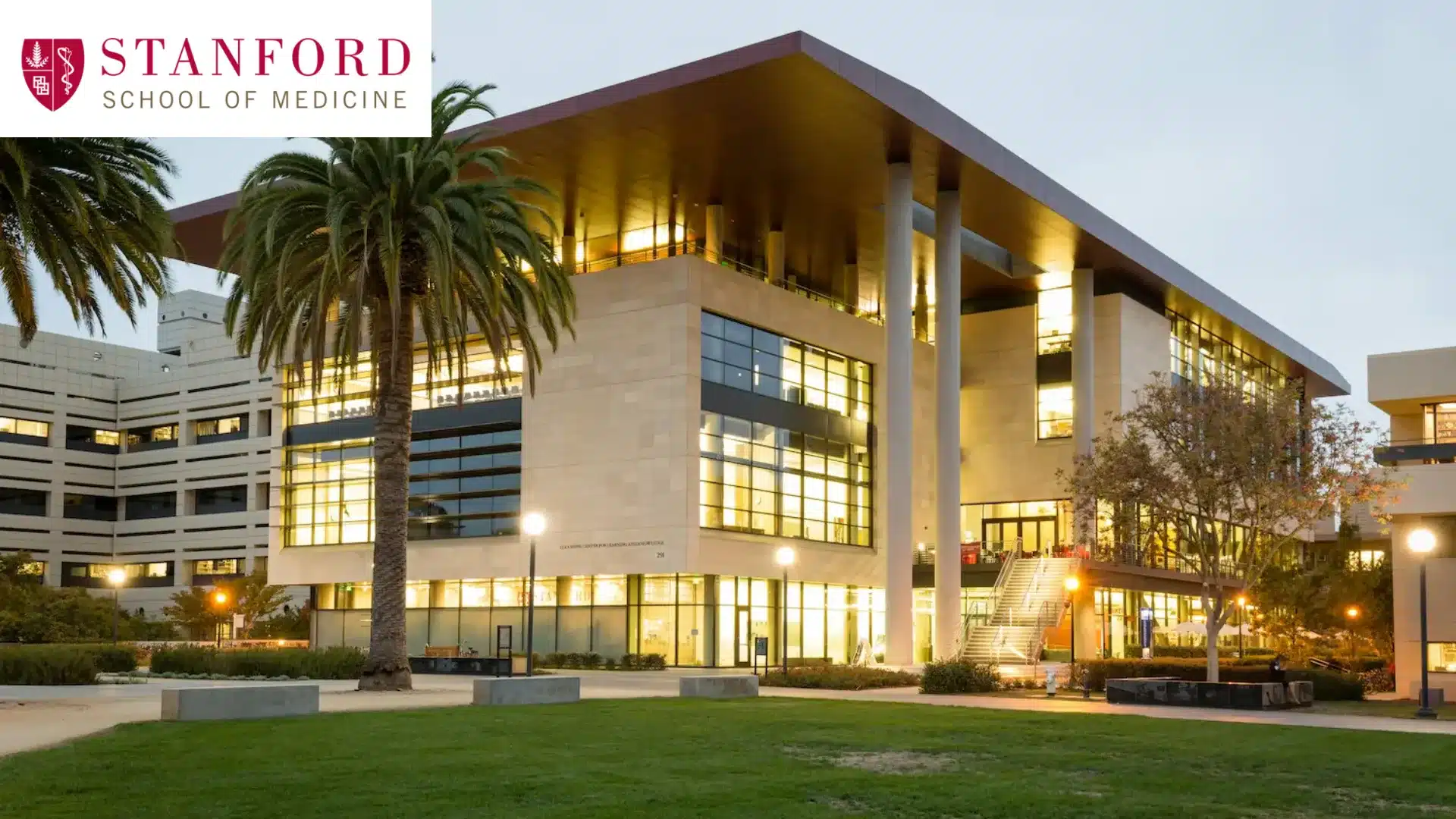
Stanford University School of Medicine gives students freedom to learn at their own pace while building strong clinical skills.
Stanford Health Care exposes students to advanced treatments and a wide variety of real patient conditions.
- Hospital Exposure: Advanced treatments at Stanford Health Care.
- Research Opportunities: Focus on innovation and pain management.
- National Recognition: Ranked first nationally in the Blue Ridge rankings and has strong research funding.
- Research Training Pipeline: The FARM program connects students, residents, and faculty with careers in anesthesiology research.
4. Duke University School of Medicine
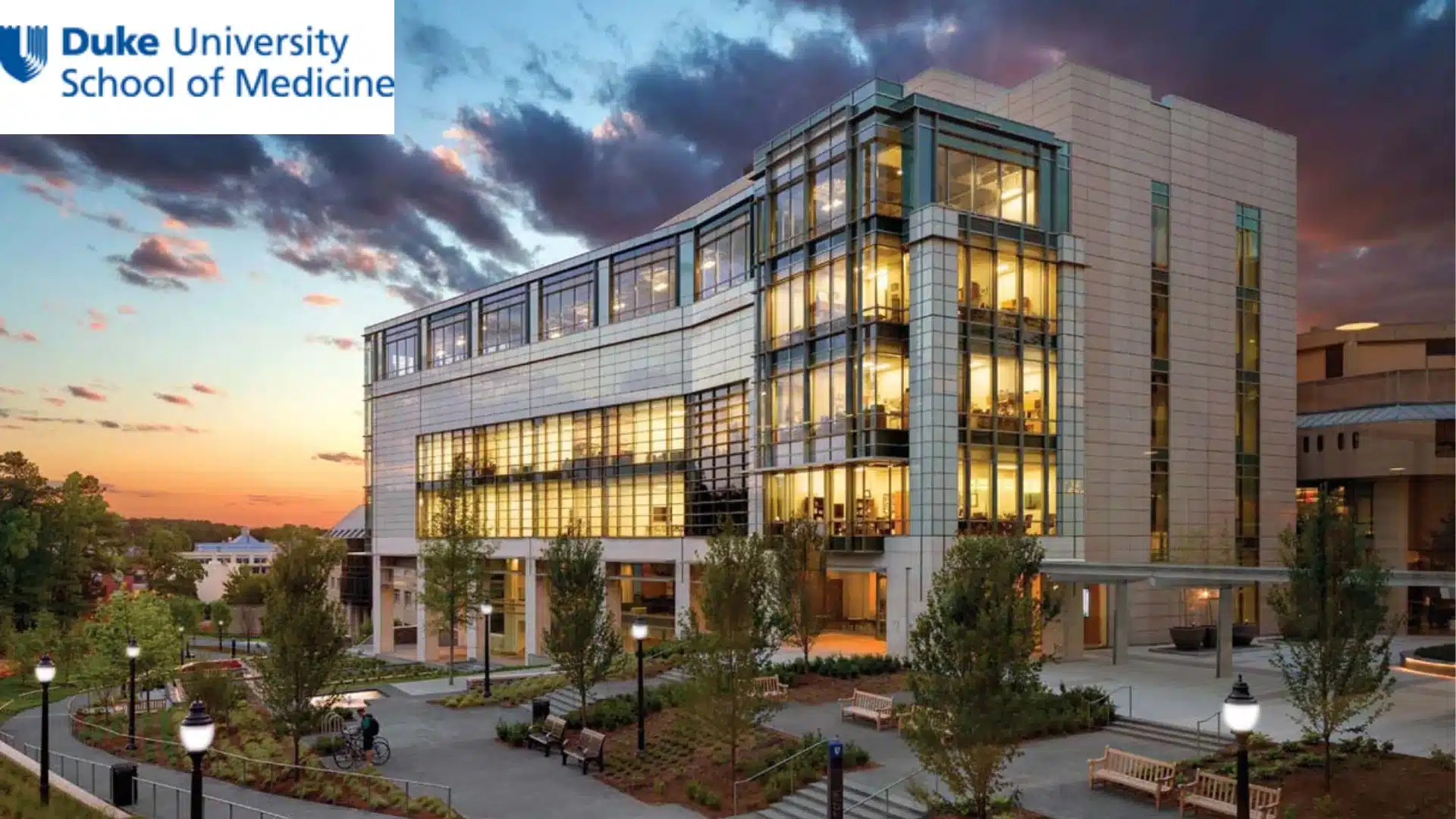
Duke University School of Medicine combines structured learning with strong hospital-based clinical training.
It gives students opportunities to work alongside experienced anesthesiologists and engage with advanced patient care approaches.
The program emphasizes collaboration, evidence-based practices, and the development of future leaders in the field.
- Hospital Exposure: A large academic medical center and Level I trauma center, giving students exposure to complex surgical cases across cardiac, transplant, neurosurgical, and trauma anesthesia, alongside high-acuity ICU.
- Research Opportunities: Focus on improving anesthesia practices.
- NIH Research Ranking: Ranked among the top three anesthesiology departments nationally for NIH funding.
- Surgical Innovation: Research explores how anesthesia can improve recovery and postoperative pain management.
5. University of Pennsylvania (Perelman School of Medicine)

Perelman School of Medicine helps students adjust early by giving them real responsibility in clinical settings while encouraging critical thinking, teamwork, and professional growth.
Its training environment supports skill development through mentorship, innovation, and exposure to evolving approaches in modern anesthesiology care.
- Hospital Exposure: High-pressure surgical environments at Penn’s teaching hospital.
- Research Opportunities: Focus on safety and patient outcomes.
- Federally Funded Training: Offers a postdoctoral training grant preparing future anesthesiology leaders.
- Academic Culture: Promotes research as an attractive career path for students.
6. Columbia Vagelos College of Physicians and Surgeons
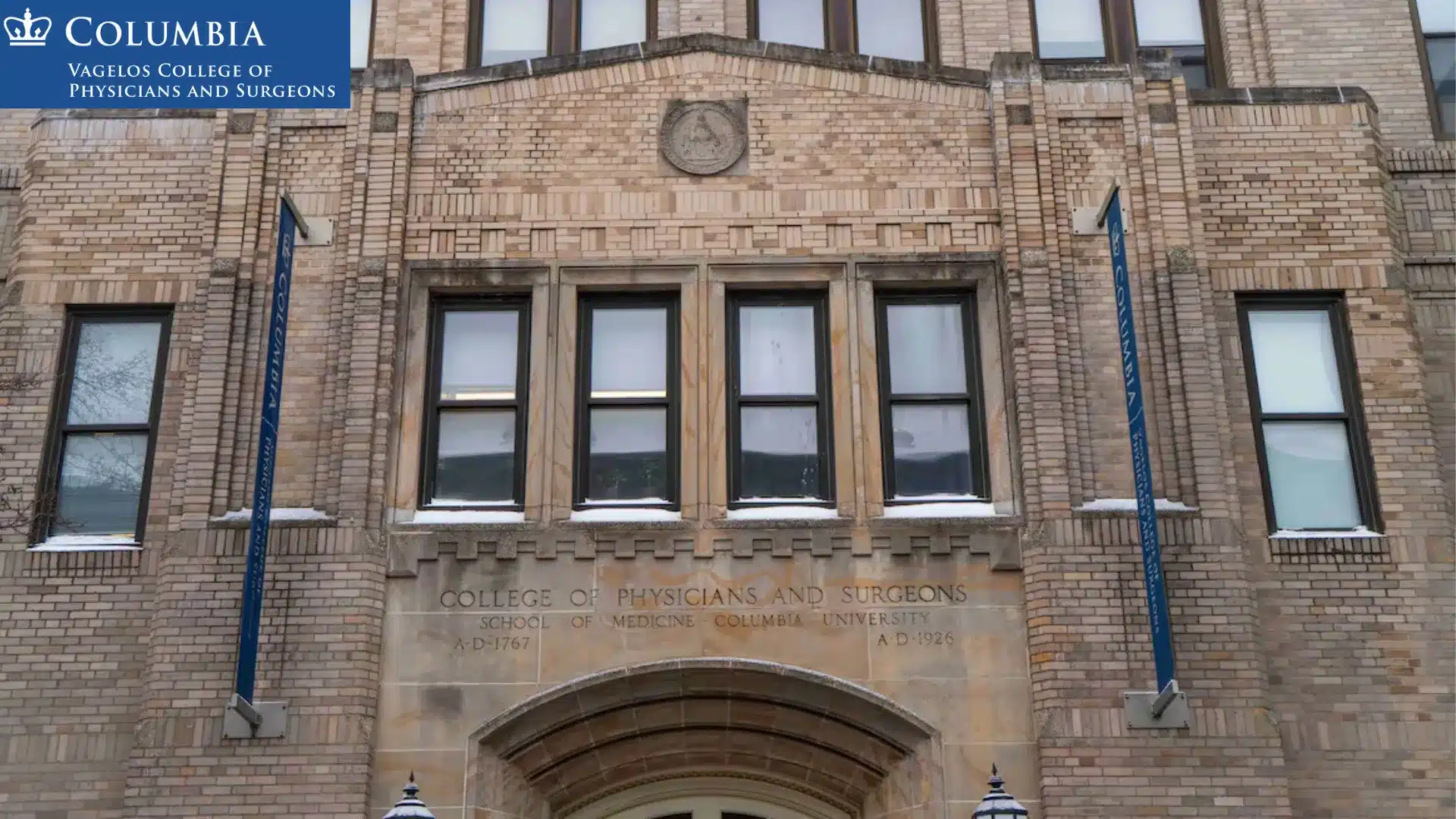
Columbia Vagelos College of Physicians and Surgeons places students in a fast-moving clinical environment early on.
New York Presbyterian Hospital provides exposure to both routine care and highly complex surgical cases.
- Hospital Exposure: Mixed complexity cases at New York Presbyterian Hospital.
- Research Opportunities: Focus on anesthesia safety and quality of care.
- Long-Standing Training Grant: Funds research fellows through a federal training program for over two decades.
- Growing Clinical Volume: Pediatric anesthesia case volume has grown significantly in recent years.
7. University of California, San Francisco (UCSF)
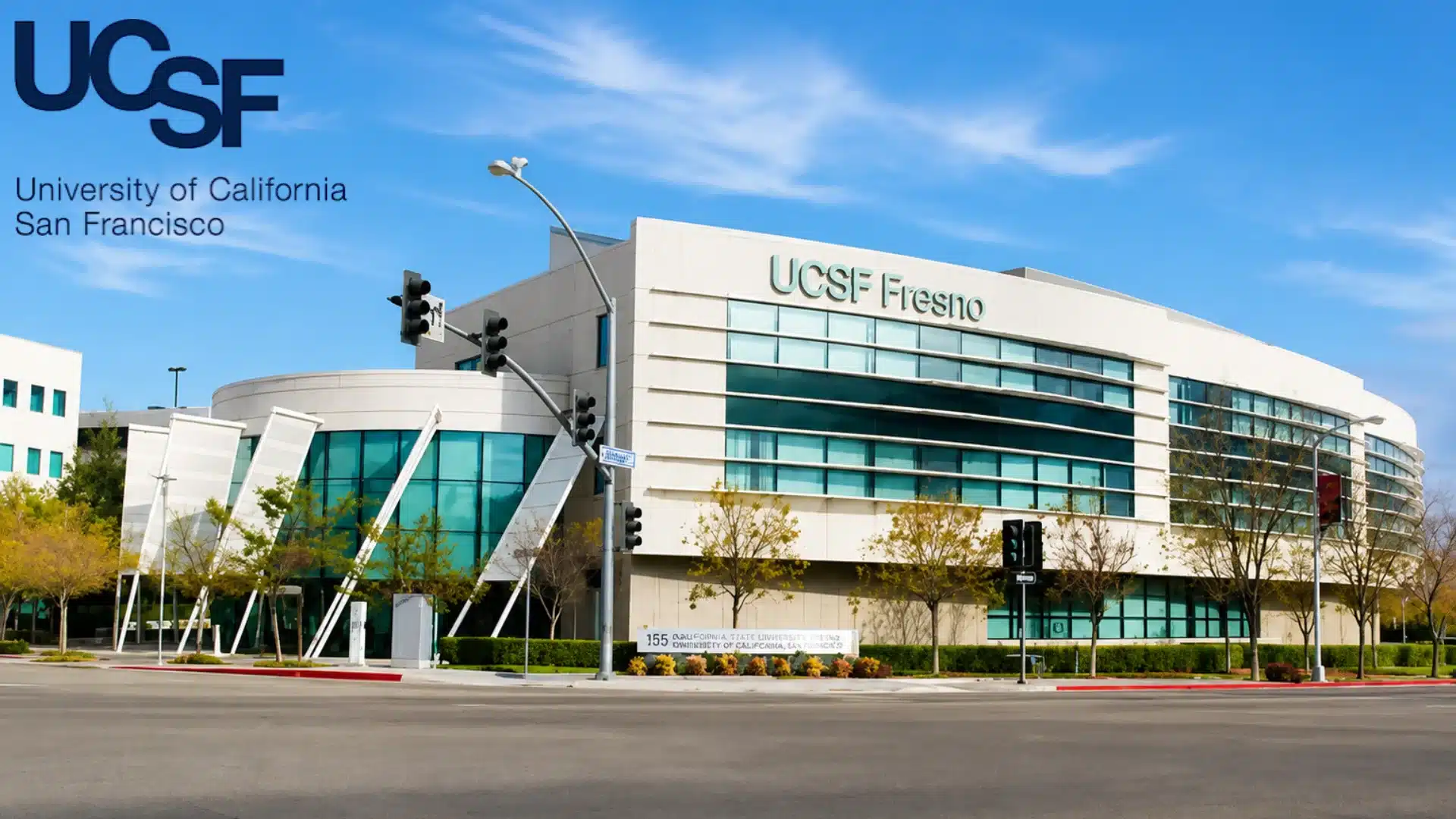
UCSF combines strong academics with regular clinical exposure in busy hospital environments.
It helps learners build confidence through comprehensive training and interdisciplinary collaboration.
The program encourages students to develop advanced problem-solving skills while exploring emerging techniques, innovative treatments, and scientific discoveries that continue shaping the future of anesthesiology and patient care.
- Hospital Exposure: High-acuity cases at UCSF Medical Center.
- Research Opportunities: Focus on patient safety and anesthesia care.
- Research Ranking: Consistently ranked among the top ten nationally for NIH-funded research.
- Historic Contributions: Pioneered early CPAP use in premature infants and key pharmacology research.
8. Mayo Clinic Alix School of Medicine
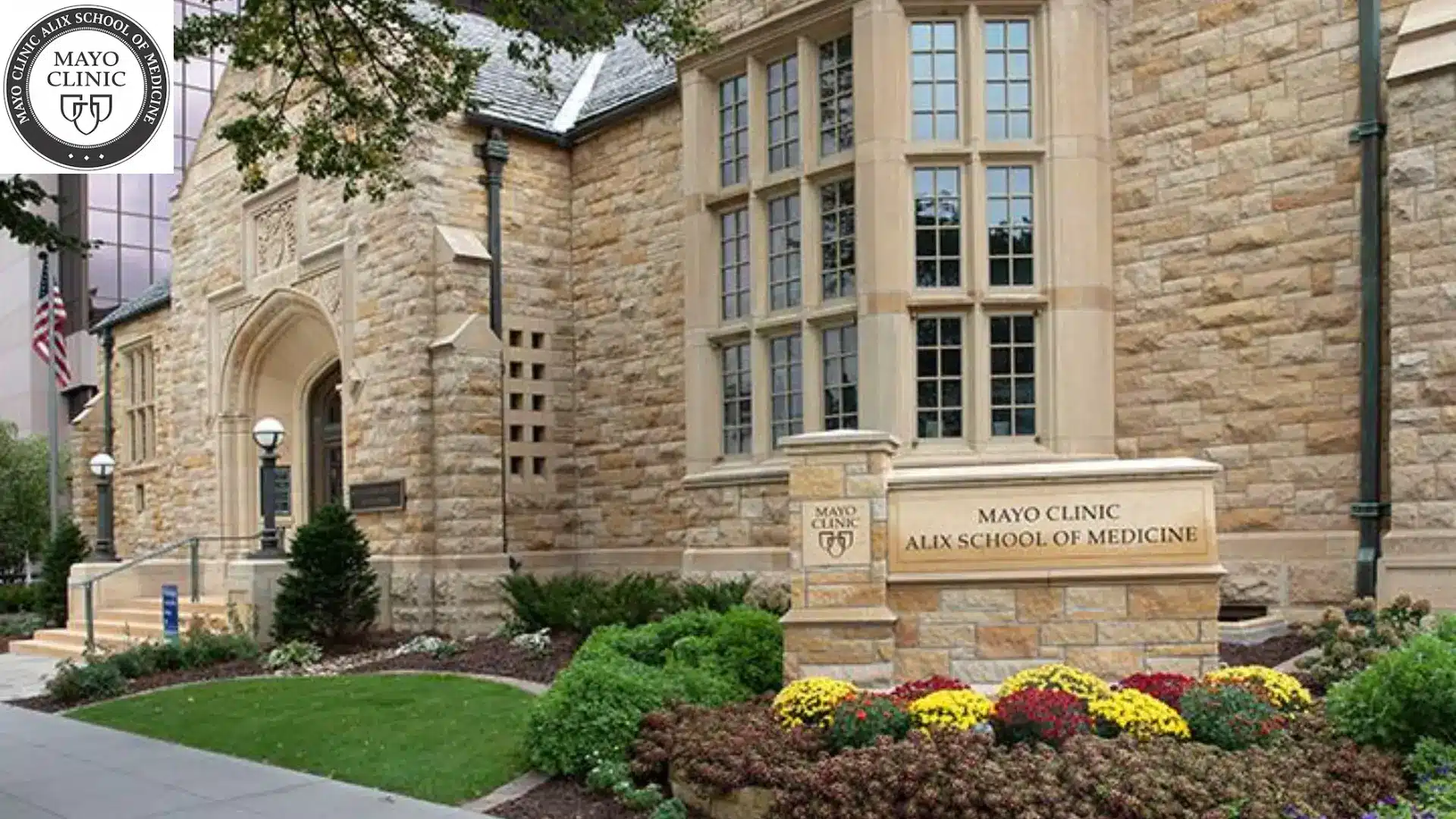
Mayo Clinic Alix School of Medicine offers a calm, structured environment centered on patient care, allowing students to learn through personalized instruction and close guidance from experienced faculty.
The program emphasizes clinical excellence, teamwork, and continuous improvement while preparing future anesthesiologists to handle complex cases with confidence and compassion.
- Hospital Exposure: Supervised surgical training at Mayo Clinic.
- Research Opportunities: Focus on recovery and safety outcomes.
- Integrated Care Model: Combines patient care, research, and education for a well-rounded exposure.
- Collaborative Research Culture: Covers both basic and clinical work on anesthesia and pain management.
9. Washington University School of Medicine in St. Louis
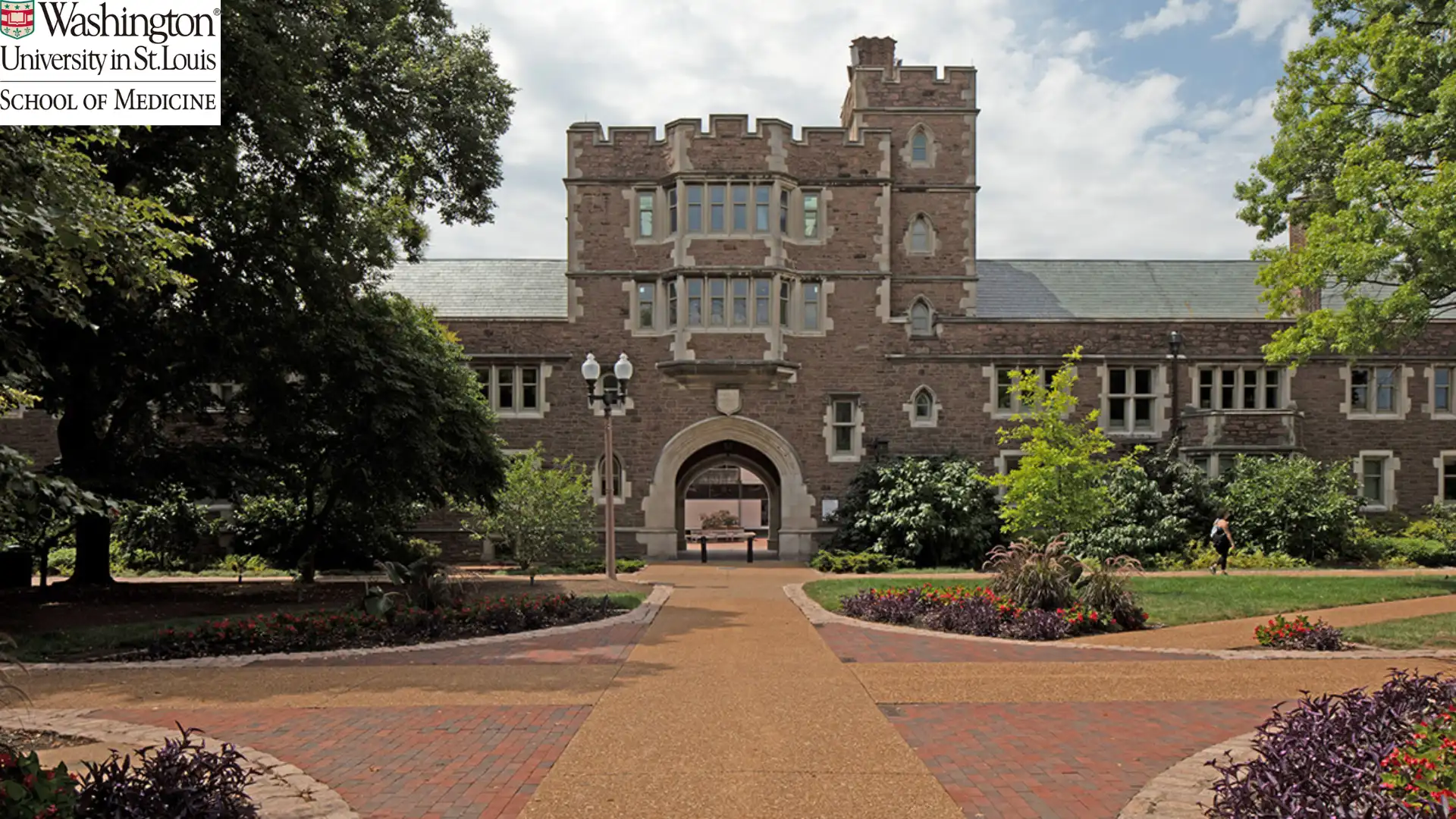
Washington University School of Medicine in St. Louis provides structured training with strong hospital exposure, helping students gain practical experience while working in a collaborative academic setting.
The program encourages innovation, scientific exploration, and advanced clinical reasoning, enabling learners to understand emerging developments in anesthesiology.
- Hospital Exposure: Diverse surgical and medical cases at Barnes-Jewish Hospital.
- Research Opportunities: Focus on pain and recovery care.
- NIH Research Ranking: Ranked first nationally for NIH funding in recent Blue Ridge rankings.
- Recent Funding Growth: Secured substantial NIH funding across more than 150 projects.
10. University of Michigan Medical School
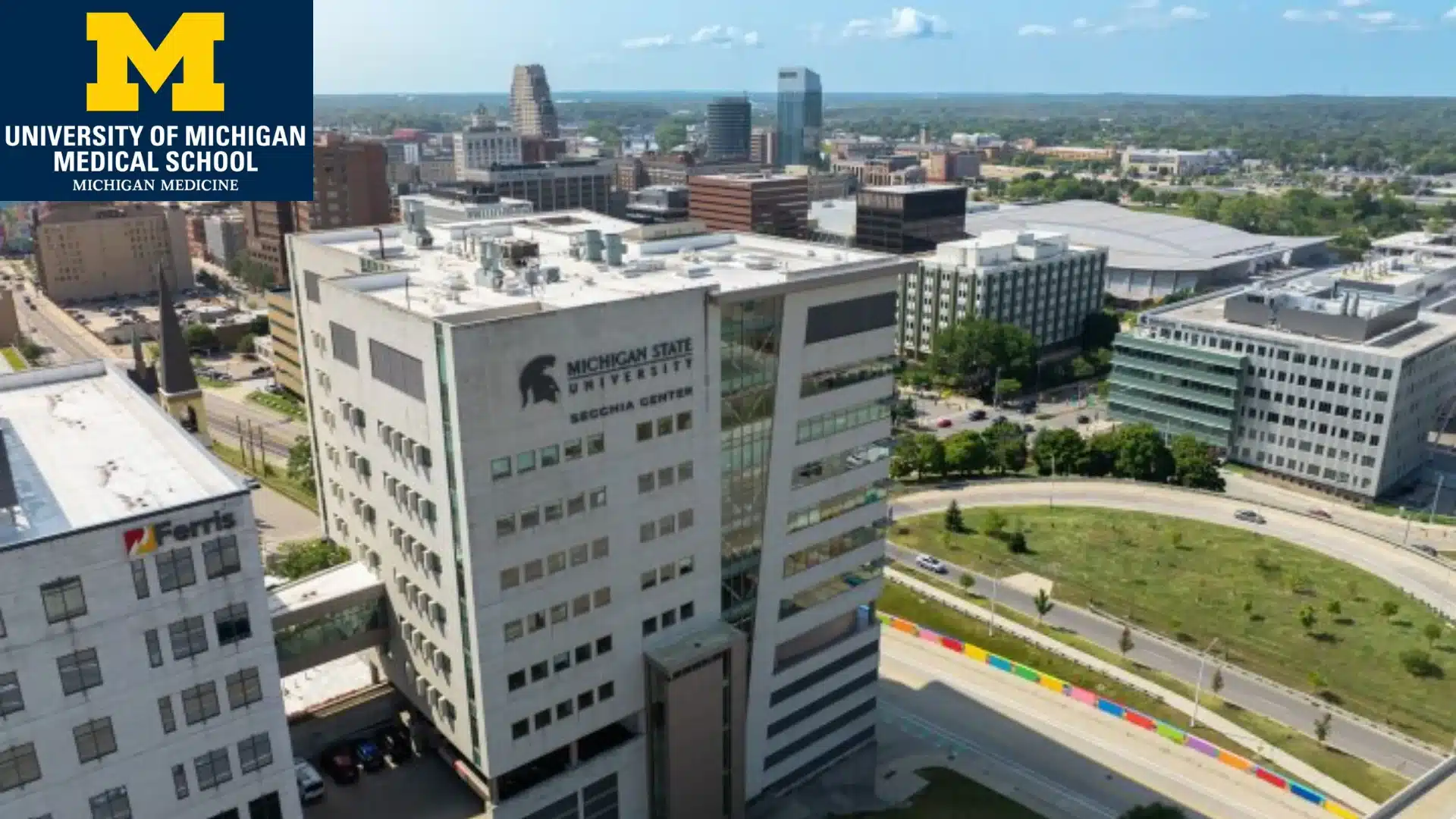
The University of Michigan Medical School offers a balanced approach that blends classroom learning with clinical practice, creating a supportive environment for developing clinical expertise.
Students benefit from mentorship, interdisciplinary collaboration, and opportunities to explore innovative methods that improve anesthesia care, patient outcomes, and future medical advancements.
- Hospital Exposure: Clinical training across a wide range of surgical and medical cases.
- Research Opportunities: Focus on safety and recovery.
- NIH Research Ranking: Ranked second nationally for NIH research funding in recent rankings.
- Recent Funding Growth: Researchers received strong NIH funding across nearly thirty projects.
11. University of Pittsburgh School of Medicine
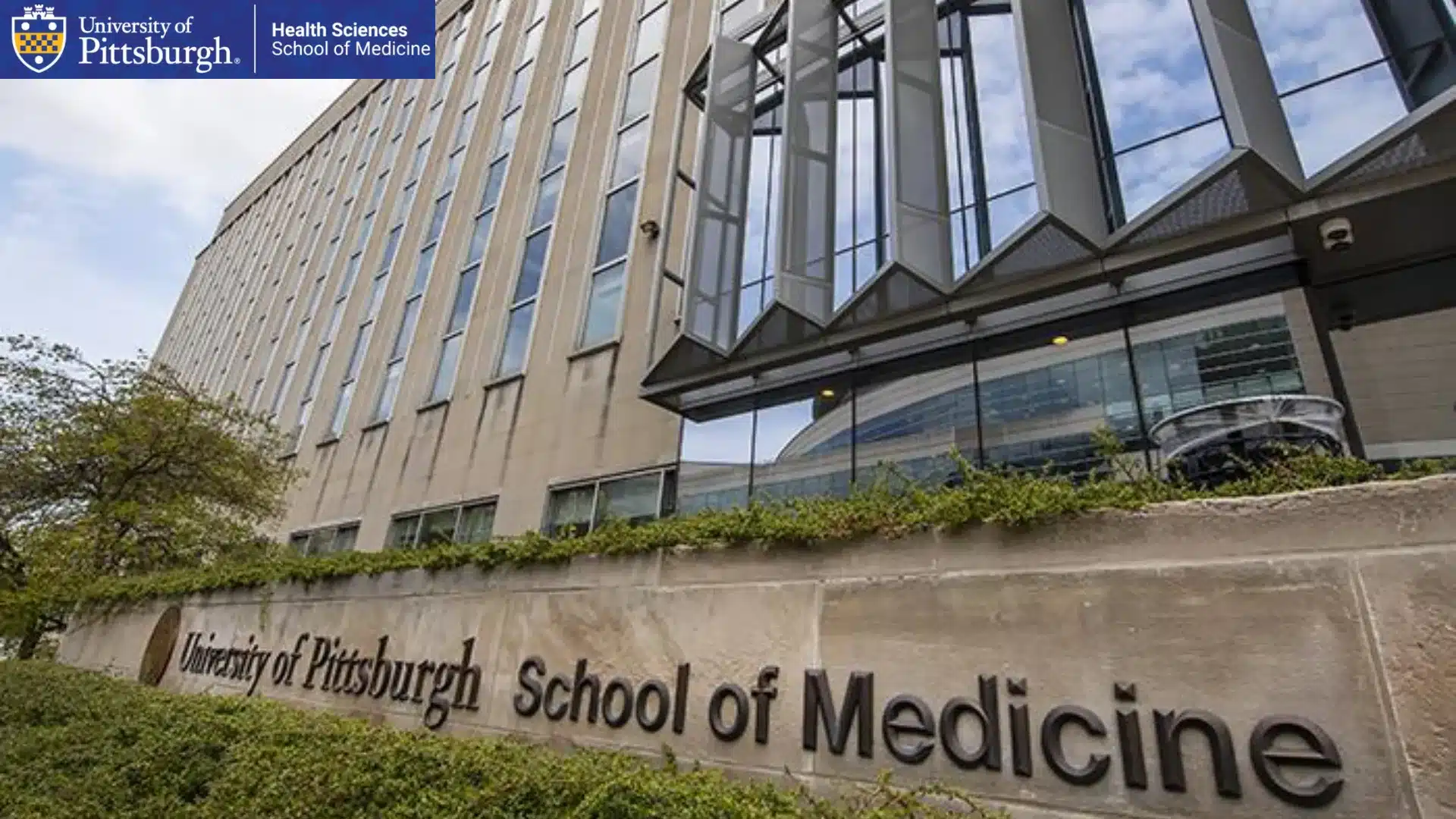
The University of Pittsburgh School of Medicine gives students exposure to one of the nation’s largest anesthesiology departments.
UPMC facilities expose students to a high volume of surgical and critical care cases across specialties.
Research efforts focus on chronic pain, opioid alternatives, and perioperative recovery.
- Hospital Exposure: Serves numerous clinical sites and manages a very high volume of cases annually.
- NIH Research Ranking: Ranked fourth nationally for NIH funding in recent rankings.
- Research Output: Investigators produce numerous peer-reviewed publications each year.
- Opioid and Pain Research: Received substantial NIH grant funding for opioid and pain research.
How to Choose the Right Medical School for Anesthesiology?
Look beyond rankings to how well a school supports anesthesiology-bound students.
It’s also worth weighing cost differences across medical schools, since debt load affects how much flexibility you have to pursue research years or away rotations later.
Here’s a good school checklist to keep in mind as you compare programs, and here’s why each factor matters:
What to Check | Why It Matters |
|---|---|
NIH-funded anesthesiology department | Signals research depth and mentorship access |
High-volume academic hospital | Exposes students to varied, complex cases |
Active interest group | Early networking and specialty guidance |
Early clinical/OR exposure | Builds interest before clerkships begin |
Dedicated specialty advisors | Personalized guidance for competitive matching |
Strong match track record | Evidence that the school supports this specialty |
Research mentorship | Builds a competitive academic profile |
Flexible curriculum | Supports away rotations at top programs |
A school that checks most of these boxes gives you a real head start toward a competitive anesthesiology match
How to Get into Top Anesthesiology Schools
Once you identify strong programs, build a well-rounded application that demonstrates academic ability, clinical interest, and professional readiness.
- Maintain a competitive GPA and MCAT score to meet expectations at selective programs.
- Shadow anesthesiologists or volunteer in perioperative settings to gain insight into patient care and responsibilities.
- Participate in meaningful research projects to build the analytical skills anesthesiology programs value.
- Demonstrate collaborative leadership and reliability through activities involving healthcare services or responsibilities.
- Connect your experiences, interests, and goals to procedural medicine and patient care.
- Request letters from physicians who can describe your clinical skills, professionalism, and potential.
- Practice with common medical school interview questions so you can respond with composure and genuine interest in anesthesiology.
Conclusion
Choosing among the best schools for anesthesiology is about finding one that matches your goals, learning style, and vision for patient care.
While rankings can highlight respected institutions, the right choice also depends on clinical opportunities, mentorship, research access, residency preparation, and the overall training environment.
A strong medical education can shape your skills, confidence, and future impact as an anesthesiologist.
Take time to compare programs carefully, understand what each school offers, and build an application that reflects your dedication to the field.
Start finding your options early and share your thoughts or experiences in the comments below.
Frequently Asked Questions
Is Research Experience Important for Top Anesthesiology Programs?
Research is not always required, but it can definitely help your application stand out and show you’re interested in learning beyond textbooks and classroom study.
How Important is Clinical Exposure DuringApplications?
Clinical exposure helps you understand how patient care works in real life and shows schools that you’re comfortable in hospital settings, not just academic learning.
Can a Low GPA Still Work if Other Parts of My Profile Are Strong?
Yes, a lower GPA can sometimes be balanced with strong clinical experience, good recommendations, and meaningful activities, but consistency in studies still matters a lot.
Do Recommendation Letters Really Make a Difference?
Yes, they give a real picture of how mentors see your work, attitude, and readiness for training, which grades alone cannot fully show.