

What does it take to stand out in perioperative nursing and demonstrate your knowledge beyond daily clinical practice?
For many nurses, CNOR certification is an important step toward professional recognition and career growth.
However, deciding whether to pursue it often raises questions about eligibility, exam requirements, preparation, costs, benefits, and long-term commitments.
This article covers everything you need to know, including certification requirements, the application process, exam preparation, recertification, and career benefits.
Keep reading to determine if the certification aligns with your professional goals.
What is CNOR Certification?
CNOR certification is a professional credential for registered nurses who work in perioperative nursing. CNOR stands for Certified Nurse Operating Room and is intended for nurses who care for surgical patients before, during, and after procedures.
The certification is awarded by the Competency & Credentialing Institute (CCI), an independent organization that develops certification programs for perioperative nursing professionals.
CCI assesses candidates through a certification exam that measures knowledge and skills related to perioperative practice.
The certification is recognized across healthcare organizations and helps validate professional knowledge and clinical experience in the perioperative setting.
Who Should Get the Certification?
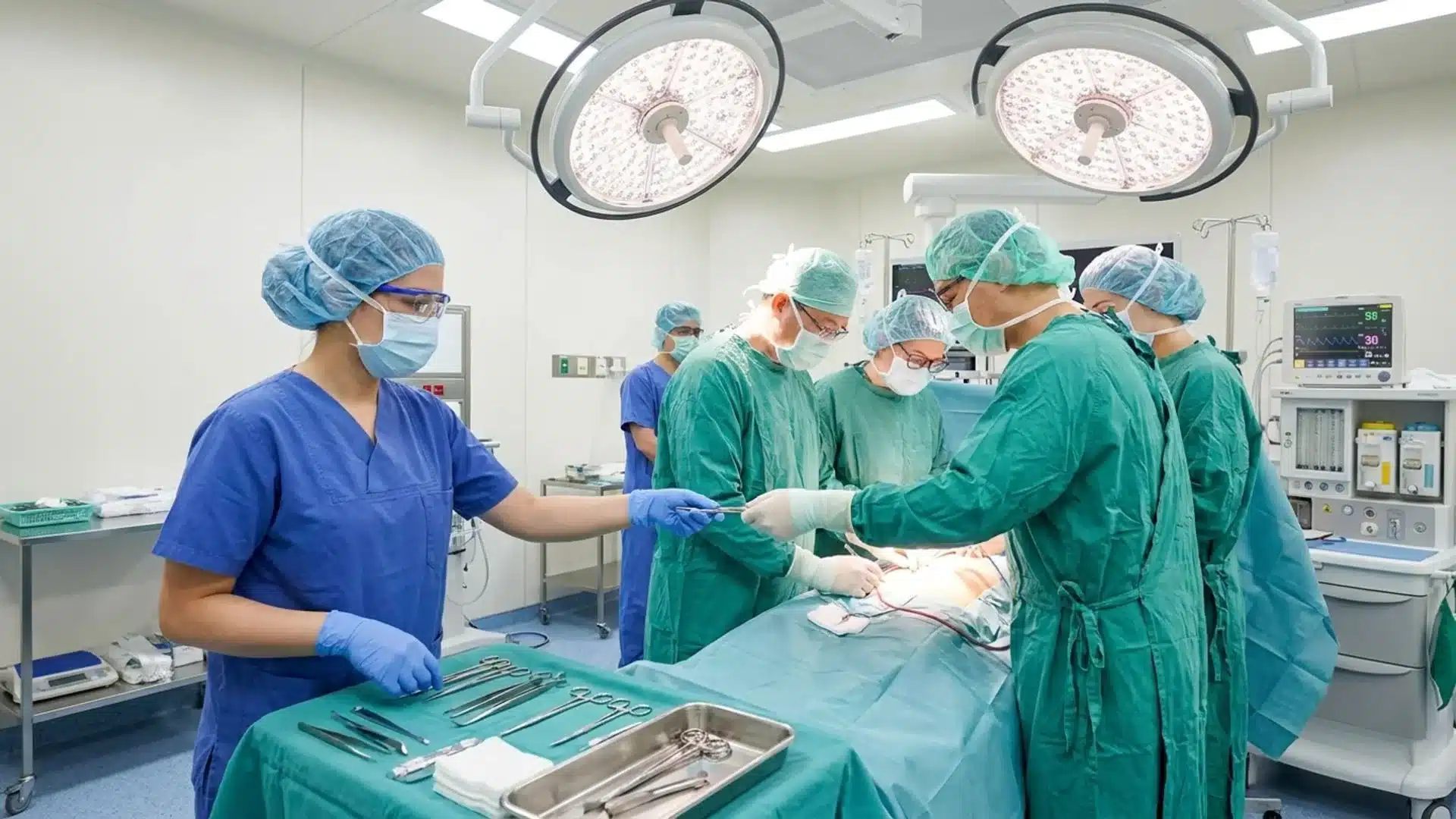
This credential is intended for registered nurses working in perioperative settings who want to validate their knowledge and experience in surgical patient care.
Practice Settings That Qualify
The certification is available to nurses working in a variety of perioperative environments where surgical care is provided. Common settings include:
- Hospital Operating Rooms: Nurses who assist with patient care before, during, and after surgical procedures.
- Ambulatory Surgery Centers: Professionals supporting same-day surgical services across different specialties.
- Endoscopy Units: Nurses involved in procedures that require perioperative knowledge and patient management.
- Catheterization Laboratories: Nurses who participate in invasive diagnostic and treatment procedures.
- Other Perioperative Practice Areas: Additional clinical settings where perioperative nursing responsibilities are performed, and eligibility requirements are met.
Candidates should always review the latest CCI eligibility criteria to confirm that their practice setting qualifies.
Career Stage and Readiness
The right time to pursue certification depends on a nurse’s experience level and readiness to meet eligibility requirements.
- Nurses Building Perioperative Experience: Those early in their perioperative careers can use the credential as a professional goal while gaining the required clinical experience.
- Experienced Perioperative Nurses: Nurses with established operating room experience often pursue certification to validate their knowledge and strengthen their professional credentials.
- Professionals Preparing for Career Growth: Nurses interested in leadership opportunities, specialty recognition, or professional development may find certification beneficial.
Before applying, candidates should feel comfortable with perioperative concepts and allow enough time for exam preparation and review.
Benefits of Getting the Certification
The certification is more than a professional credential. It validates perioperative nursing knowledge, supports career growth, and demonstrates a commitment to high standards of patient care.
1. Professional Recognition and Credibility
This certification is one of the most recognized credentials in perioperative nursing. It shows that a nurse has met established eligibility requirements and successfully passed a specialty certification exam.
Healthcare employers, colleagues, and surgical teams often view certified nurses as professionals committed to ongoing learning and to maintaining current knowledge.
The credential can also help strengthen professional credibility within perioperative practice settings.
2. Career and Financial Benefits
The certification can support professional growth, recognition, and advancement.
- Career Growth: The credential can strengthen your resume and help you stand out for perioperative nursing roles.
- Professional Advancement: It may support opportunities for leadership, preceptor, and charge nurse positions.
- Employer Recognition: Many healthcare organizations value specialty-certified nurses and recognize their commitment to professional development.
- Financial Benefits: Some employers offer certification pay, bonuses, tuition reimbursement, or other incentives for certified nurses.
- Long-Term Value: The credential can support career progression and ongoing professional growth within perioperative nursing.
These benefits make certification a valuable long-term career investment.
3. Impact on Patient Outcomes
The certification helps nurses stay current with perioperative nursing practices and patient safety standards.
The knowledge gained through certification can support consistent care, stronger communication within the surgical team, and effective infection prevention practices.
It also helps nurses respond appropriately to perioperative challenges and maintain high standards throughout the surgical process.
By applying current knowledge in daily practice, certified nurses can contribute to a safer and more positive experience for surgical patients.
CNOR Certification Requirements
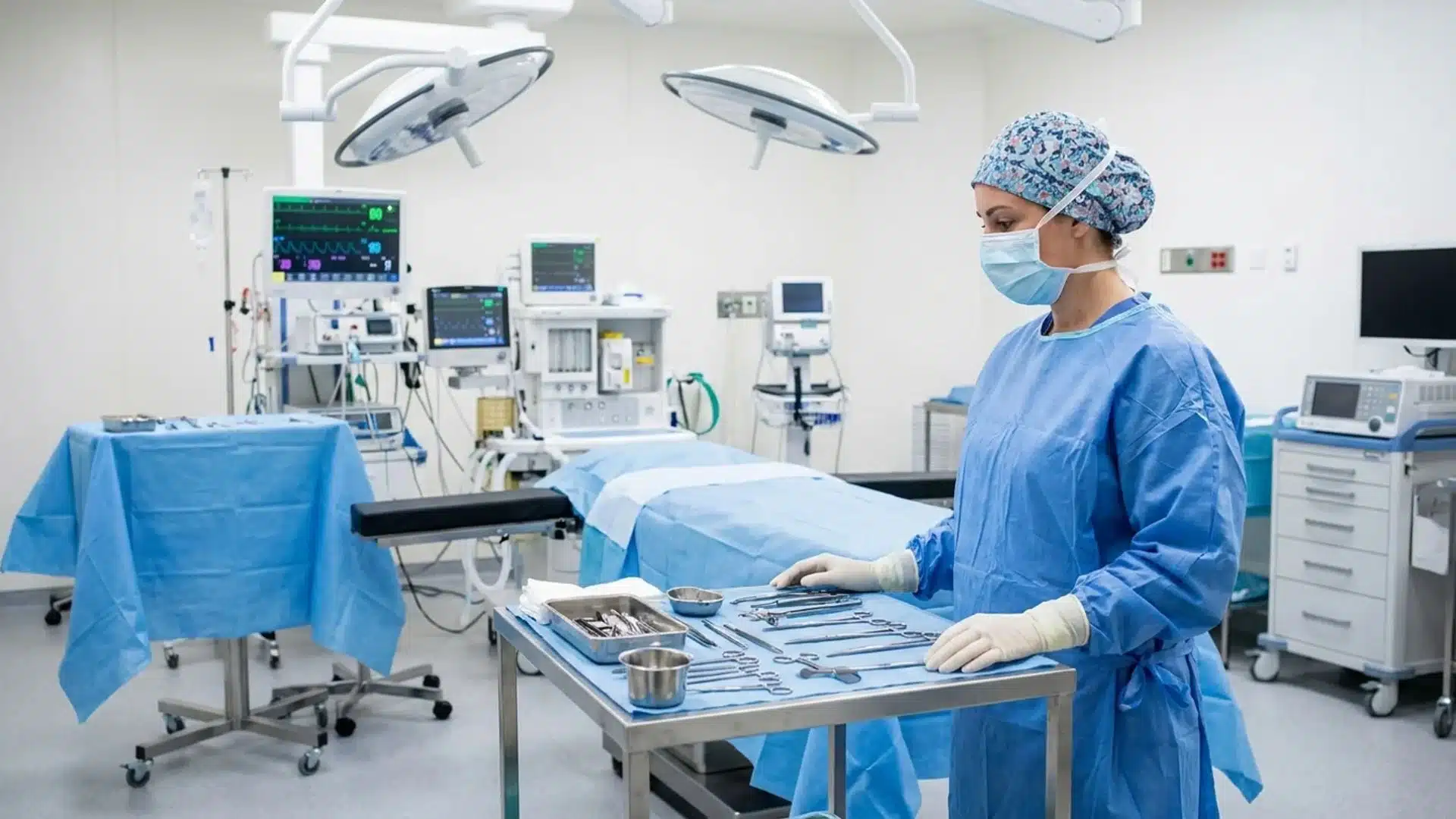
Understanding the CNOR certification requirements can help you avoid delays, plan your next steps, and approach the application process with confidence.
Below are the key requirements every candidate should review before applying.
Education and Licensure Requirements
Before applying for the certification, candidates must meet the licensure requirements established by the Competency & Credentialing Institute (CCI).
While an active RN license is mandatory, CCI does not require a specific nursing degree for eligibility.
Requirement Area | What is Required | Important Notes |
|---|---|---|
Registered Nurse License | Current and unrestricted RN license | The license must be valid and active at the time of application and examination. |
Educational Background | No specific degree requirement | Candidates may qualify with an associate degree, diploma, bachelor’s degree, or higher in nursing, provided they hold an active RN license. |
Professional Standing | Legal authorization to practice as an RN | Candidates must be practicing under a valid nursing license in their country or jurisdiction. |
Candidates should review the latest CNOR Candidate Handbook to confirm they satisfy all current requirements before submitting an application.
Work Experience Requirements
Candidates must meet CCI’s perioperative nursing experience requirements while working in a registered nurse role.
- Nursing Role: Experience must be gained while working as a registered nurse. Experience earned before RN licensure does not qualify.
- Practice Area: Experience must come from perioperative nursing practice. Non-perioperative nursing roles do not count toward eligibility.
- Clinical Duties: Direct perioperative patient care and RN responsibilities qualify. Work performed solely as a scrub technician or surgical technologist does not qualify.
- Work Setting: Eligible experience may be gained in hospital operating rooms, ambulatory surgery centers, endoscopy units, and other qualifying perioperative settings
Only experience earned in an RN role counts toward eligibility. Candidates should review the latest CNOR Candidate Handbook for current practice-hour requirements.
Step-by-Step: Applying for CNOR Certification
If you’re wondering how to get CNOR certification, the process begins through the Competency & Credentialing Institute (CCI). There is no alternative certification provider or third-party application process.
- Step 1: Review the current CNOR certification requirements to confirm that you qualify for the exam. This includes holding an active RN license and meeting the required perioperative nursing experience standards.
- Step 2: Create an account through the official CCI website and complete the online application. You will be required to provide information about your nursing license and perioperative practice experience and submit the applicable certification fee.
- Step 3: After submitting your application, begin reviewing the material covered on the exam. The CNOR Candidate Handbook, CNOR Study Plan, Certification Kit, and other official resources can help guide your preparation.
- Step 4: Once your application is approved, schedule your examination through CCI’s testing provider. Choose a convenient testing date and location, then complete the computer-based exam according to the testing guidelines.
- Step 5: After completing the exam, you will receive your results. Candidates who pass earn the CNOR credential from CCI, demonstrating their knowledge and experience in perioperative nursing practice.
Exam Fees and Payment Details
Before submitting your application, it is important to understand the costs associated with the certification process.
CCI publishes fee information on its website, and candidates should always verify the latest pricing before applying.
Fee Type | Amount |
|---|---|
CNOR Application Fee | $475 |
Exam Retake Fee | $175 |
Payment Method | Varies |
Fee amounts and payment policies may change over time. Candidates should review the latest information on the official CCI website before submitting their application.
What to Expect on the CNOR Exam?

Knowing what appears on the exam helps you study more efficiently and focus on the knowledge areas most relevant to perioperative nursing practice.
Exam Format and Structure
Before focusing on study materials, it helps to understand exactly how the exam is structured and what to expect.
- Exam Type: Computer-based exam.
- Question Format: Multiple-choice questions.
- Total Questions: 200 questions.
- Scored Questions: 185 questions.
- Pretest Questions: 15 questions.
- Exam Duration: 3 hours and 45 minutes.
- Testing Location: Authorized testing centers.
Topics Covered in the Exam
Knowing the exam content areas can help you focus your preparation on the knowledge and skills most relevant to perioperative nursing practice.
Content Area | What It Covers |
|---|---|
Patient Assessment and Diagnosis | Patient evaluation, risk identification, and preoperative assessment. |
Plan of Care | Development and implementation of individualized perioperative care plans. |
Intraoperative Care | Patient safety, positioning, aseptic technique, and surgical support during procedures. |
Communication and Documentation | Accurate recordkeeping and communication across the surgical team. |
Infection Prevention and Control | Sterilization, infection prevention practices, and environmental safety measures. |
Emergency Situations | Recognition and management of perioperative complications and critical events. |
Professional Accountability | Ethical practice, regulatory compliance, and professional responsibilities. |
While understanding these content areas is important, knowing how to study them effectively can make an even bigger difference in your exam performance.
The CNOR exam uses a scaled scoring system rather than a fixed percentage score. CCI does not publish a specific passing percentage or the exact number of questions required to pass.
How to Prepare for the Exam?
Preparing for the CNOR exam requires more than simply reviewing notes. A focused study plan, consistent practice, and the right resources can help you feel more confident and ready for exam day.
- Start Early: Give yourself enough time to review key topics and build a realistic study schedule around your work commitments.
- Follow the Exam Content Areas: Use the CNOR exam content outline as your study roadmap and spend extra time on areas where you feel less confident.
- Use Practice Questions: Regularly test your knowledge with practice questions and review incorrect answers to identify knowledge gaps.
- Study Consistently: Short, regular study sessions are often more effective than long study sessions completed at the last minute.
- Use Official Resources: Focus on materials developed by CCI to ensure your preparation aligns with the current exam requirements.
A structured study plan can help you stay focused and reduce stress as exam day approaches. The quality of your preparation often matters more than the number of hours spent studying.
Recommended Study Resources
CCI provides several resources designed to help candidates prepare for the certification exam.
Resource | What It Covers |
|---|---|
Eligibility requirements, exam policies, and certification details. | |
A structured framework for organizing exam preparation. | |
Self-paced CNOR review course with study modules, practice questions, flashcards, and test-taking strategies. | |
Mobile question bank with practice quizzes and exam-style questions for self-assessment. |
Using trusted resources can help ensure your study efforts focus on the topics and knowledge areas most relevant to the exam.
With a preparation plan in place, the next step is understanding how to maintain your credential after certification.
How to Maintain Your CNOR Certification?

Earning the credential is a major accomplishment, but maintaining it requires ongoing professional development.
CCI expects certified nurses to stay active in perioperative practice and continue building their knowledge throughout the certification cycle.
Renewal Cycle and Requirements
Maintaining CNOR certification requires meeting a defined set of criteria every five years. The process is structured to ensure certified nurses stay current in perioperative practice.
- Certification Period: Valid for 5 years.
- Practice Hours: Complete at least 500 perioperative nursing practice hours, including 250 hours impacting intraoperative patient care.
- Professional Activity Points: Earn 300 approved recertification points during the cycle.
- RN License: Maintain a current and unrestricted RN license.
- Alternative Option: Retake and pass the CNOR exam instead of earning recertification points.
Ways to Earn Continuing Education Credits
Recertification points can be earned through a range of professional activities, giving nurses flexibility in how they meet the requirement.
- Continuing Education: Complete approved courses, webinars, and online learning activities.
- Professional Events: Attend AORN conferences, seminars, and workshops.
- Employer Training: Participate in workplace education and specialty training programs.
- Teaching and Mentoring: Earn points through presentations, teaching, precepting, or mentoring.
- Professional Contributions: Publish articles or serve on professional committees.
Maintaining certification becomes much easier when professional activities are tracked throughout the five-year cycle.
Keeping records organized can help simplify the recertification process and ensure you remain eligible when renewal time arrives.
Practical Implications of Holding the Certification
Holding the credential can influence your daily work, professional responsibilities, and long-term career development in several ways.
Area | Practical Impact |
|---|---|
Clinical Confidence | Helps build confidence when making perioperative patient care decisions. |
Verified Knowledge | Demonstrates a strong understanding of perioperative nursing practices. |
Professional Credibility | Strengthens recognition among colleagues, employers, and surgical teams. |
Leadership Opportunities | May support mentoring, preceptor, and leadership responsibilities. |
Continuous Learning | Encourages ongoing professional development through recertification activities. |
Workplace Recognition | Can increase recognition within perioperative and surgical departments. |
Patient Care Focus | Reflects a commitment to delivering high-quality surgical patient care. |
These practical benefits can support both everyday nursing responsibilities and long-term professional growth.
CNOR Certification and the 529 Plan Benefit
A 529 Plan is a tax-advantaged savings plan designed to help pay for qualified education expenses.
For nurses pursuing the certification, this may create an opportunity to use eligible 529 Plan funds to help cover certification preparation or examination fees, depending on the specific plan rules and current tax regulations.
Because eligibility requirements can vary by state and individual plan provider, candidates should review their plan documents or consult a qualified tax professional before using 529 Plan funds.
Understanding this potential benefit may help nurses reduce out-of-pocket costs associated with professional certification.
Final Thoughts
The decision to pursue CNOR certification can shape both your professional growth and your impact in the operating room.
This credential validates perioperative nursing knowledge, supports career advancement, and demonstrates a commitment to patient safety and high standards of care.
In this article, we covered the certification requirements, application process, exam format, preparation strategies, recertification requirements, and key benefits of earning the credential.
If certification aligns with your goals, now is the time to review the official CCI resources, create a study plan, and take the first step toward earning the certification.
Frequently Asked Questions (FAQs)
Is CNOR Certification Recognized Outside the United States?
Many employers recognize the credential internationally, though hiring requirements vary by country and healthcare organization.
Is Employer Sponsorship Required to Pursue CNOR Certification?
No. Eligible nurses can apply independently without employer sponsorship or organizational approval.
Can Travel Nurses Earn and Maintain CNOR Certification?
Yes. Travel nurses can pursue and maintain certification if they meet CCI eligibility and recertification requirements.