

Responsible alcohol service is a skill, and TIPS certification is one of the most recognized ways to prove it.
So what is TIPS certification, exactly?
TIPS program trains bartenders, servers, casino staff, and retail alcohol sellers to handle tricky service situations confidently and legally.
Many employers require it before day one, and certain states actively encourage it.
For anyone weighing whether it is legitimate, useful, and worth getting, everything you need to make that call is covered here.
What is TIPS Certification?
TIPS, which stands for Training for Intervention ProcedureS , was developed in 1982 by Dr. Morris Chafetz and has since become one of the most widely adopted responsible alcohol service programs in the hospitality industry.
The program equips servers, bartenders, and retail staff with the skills to prevent underage sales, recognize signs of intoxication, and reduce liability exposure for both employees and establishments.
Backed by decades of research and recognized across major industry sectors, TIPS sets a practical, evidence-based standard for responsible service rather than a box-checking exercise.
How Does TIPS Training Work?
TIPS training covers the practical side of responsible alcohol service, giving participants a working knowledge of real situations they will face on the floor.
- Responsible alcohol service standards and what they mean in practice.
- Proper ID verification techniques to prevent underage sales.
- Recognizing behavioral and physical signs of intoxication.
- De-escalation and refusal strategies for difficult service situations.
- Steps to help prevent intoxicated guests from getting behind the wheel.
- State and federal alcohol laws that govern service compliance.
Each module builds toward one goal: confident, legally sound service that protects both the guest and the establishment.
Who Needs TIPS Certification?
TIPS certification cuts across a wide range of roles in the hospitality and service industry, with requirements varying by employer policy, state law, and the nature of the work itself.
Role | Requirement Level | Regulatory Context |
|---|---|---|
Bartenders | Mandatory in many states | Dram shop laws and state alcohol control board requirements |
Servers and Waitstaff | Employer or state-mandated | Liability coverage and restaurant licensing conditions |
Restaurant Managers | Strongly preferred | Compliance oversight and staff training accountability |
Liquor Store Employees | State-regulated in several states | Retail alcohol licensing and underage sale prevention |
Event Staff | Employer-preferred | Venue insurance and crowd management protocols |
Casino Employees | Often mandatory | Gaming commission regulations and state liquor authority rules |
Hotel and Resort Staff | Strongly preferred | Mixed-service licensing and guest safety standards |
Stadium and Venue Workers | Employer or venue-mandated | Mass-event alcohol service regulations and liability waivers |
While some roles carry a firm certification requirement, others treat TIPS as a strong hiring advantage, particularly in states where responsible service training is tied to dram shop liability protections.
Is TIPS Certification Required?
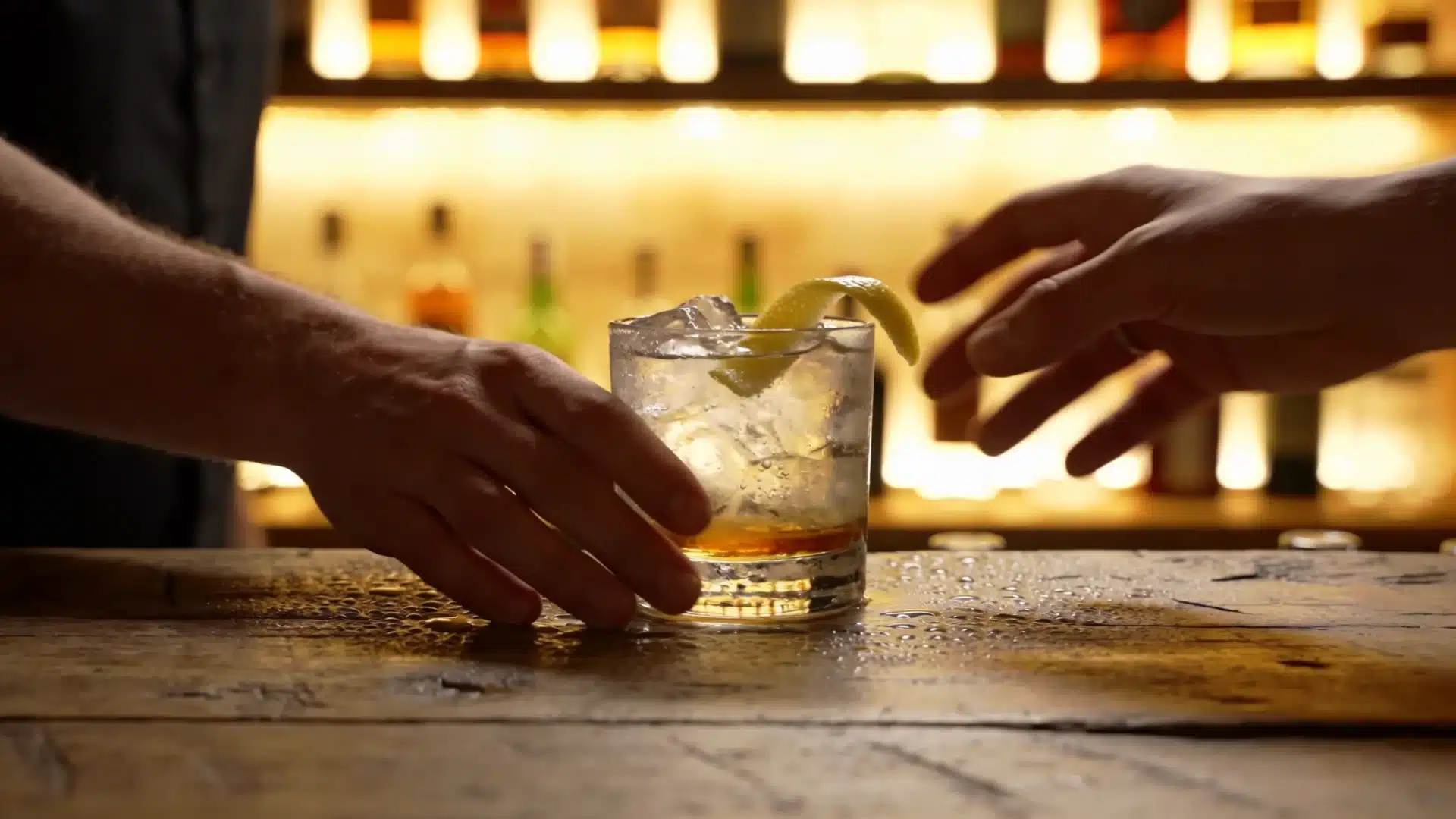
Certification requirements for alcohol service training vary significantly across the United States, shaped by a combination of state law, local ordinances, and individual employer policies.
States With Mandatory Alcohol Server Training
Several states legally require some form of responsible beverage service training, though TIPS is one of several approved programs rather than the sole accepted certification.
States including Texas, Illinois, and Utah mandate server training, while others like California and Florida leave it to employer discretion.
Requirements also shift at the municipality level, meaning a city or county may enforce stricter rules than the state itself. TIPS maintains a full breakdown of state-by-state alcohol server training regulations for reference.
Employer and Corporate Policy Requirements
Where state law stays silent, employer policy often fills the gap. Many national restaurant groups, hotel chains, and casino operators require TIPS certification as part of onboarding, independent of local mandates.
Some corporate compliance frameworks tie responsible service training directly to liability coverage and staff onboarding documentation.
For workers in these environments, certification is effectively mandatory regardless of what state law requires.
How Long Does TIPS Certification Last?
TIPS certification does not hold indefinitely, and knowing the validity window matters as much as getting certified in the first place.
Validity Period and Why It Expires
Most TIPS certifications remain valid for three years from the date of completion, after which renewal is required to stay compliant.
The expiration isn’t arbitrary; alcohol laws evolve, state compliance standards shift, and refresher training ensures servers are working with current legal knowledge rather than outdated protocols.
Certification status can be verified directly through the TIPS portal using your credentials from the original training.
What the Certification Timeline Looks Like
Once training is complete, the three-year clock starts immediately.
Renewal should be initiated before expiration to avoid a lapse in certified status, which can affect employment eligibility in roles where certification is required.
Stage | Timeline | Action Required | Status |
|---|---|---|---|
Complete Training | Day 1 | Finish the course and pass the assessment | Certification begins |
Certification Active | Years 1 to 3 | No action needed | Valid and compliant |
Renewal Window | Approaching the 3-year mark | Initiate the renewal process | Active but expiring |
Certification Lapses | At expiration | Retake full training | No longer valid |
Step-by-Step: How to Get TIPS Certified?

Getting TIPS certified is a straightforward process, and the program is structured to fit around different roles and work environments from the start.
Step 1: Choose the Appropriate TIPS Program
Selecting the right program is the first and most important decision, since TIPS offers role-specific tracks rather than a one-size-fits-all course. The available TIPS programs include:
- On-Premise: For bartenders, servers, and restaurant staff
- Off-Premise: For liquor store and retail alcohol sellers
- Concessions: For stadium, arena, and event venue workers
- Gaming: For casino and gaming establishment staff
- Delivery: For alcohol delivery service employees
Step 2: Register for Training
Once the right program is identified, registration happens directly through the official TIPS website.
The process involves creating an account, selecting your program type, and choosing between online or in-person training formats depending on availability in your area.
Step 3: Complete the Coursework
The training covers responsible service practices, ID verification, recognizing intoxication, and relevant alcohol laws.
Coursework is self-paced for online learners, typically taking a few hours to complete, with interactive modules designed to reflect real on-the-job scenarios rather than purely theoretical content.
Step 4: Pass the Certification Exam
After completing the coursework, participants must pass a proctored assessment to earn certification.
The exam tests practical knowledge across the key training areas and requires a passing score before certification is issued. Those who don’t pass on the first attempt may retake the assessment.
Step 5: Download or Receive Your Certificate
Once the exam is passed, certification is issued promptly, either as a digital download or a physical card, depending on the program format chosen.
This certificate serves as official proof of completion and should be kept accessible for employer verification or compliance checks.
How Much Does TIPS Certification Cost?
TIPS certification is one of the more affordable professional credentials in the hospitality industry, with pricing varying by format, state, and whether training is employer-sponsored.
Training Format | Typical Cost Range | Notes |
|---|---|---|
Online (Individual) | $15 to $60 | Varies by state, jurisdiction, and program type |
In-Person (Classroom) | $25 to $100 | Includes live instructor-led sessions; duration is typically longer |
Virtual (Live Remote) | $25 to $75 | Conducted by a certified trainer via video conferencing |
Group or Employer-Paid | Variable | Often discounted or fully covered; managed through TIPS corporate accounts |
Renewal Training | Similar to the initial cost | Pricing mirrors the original program; required every three years |
Can You Complete TIPS Certification Online?
TIPS certification is available both online and in person, and the right format largely comes down to scheduling flexibility and personal learning preference.
Benefits of Online TIPS Training
Online training is the more popular route for individuals, and for good reason. The self-paced format removes scheduling barriers entirely, making it accessible for anyone with a busy or irregular work schedule.
- Complete the course from any device, at any time.
- Faster completion window, typically two to three hours.
- Certificate available for immediate download upon passing.
- Accepted in the majority of U.S. states and jurisdictions.
Benefits of In-Person and Virtual Classroom Training
Classroom training, whether in person or live virtual, suits those who retain information better in a structured, instructor-led environment.
The interactive format allows for real-time questions and scenario-based discussions that online modules may not fully replicate.
- Direct access to a certified TIPS trainer for guided learning.
- Scenario-based roleplay that mirrors real on-the-floor situations.
- Live virtual sessions available for those who prefer remote flexibility.
- Often preferred by employers for group onboarding and team training.
Is TIPS Certification Legitimate?
TIPS is one of the most widely recognized responsible alcohol service programs in the United States, backed by decades of industry adoption and government acknowledgment.
It is not a scam; it is an accredited training program trusted by national restaurant groups, hotel chains, casinos, and liquor control boards across the country.
From an employment standpoint, holding a valid TIPS certification genuinely strengthens a candidate’s profile, particularly in states where responsible service training is tied to licensing compliance.
Over 70 insurance companies nationwide also recognize TIPS training as grounds for liquor liability insurance discounts.
TIPS Certification vs. Other Alcohol Server Certifications
TIPS is the most widely recognized alcohol server training program in the United States, but it isn’t the only option, and understanding how it stacks up helps in making the right call for your role or establishment.
Feature | State-Specific Programs | ||
|---|---|---|---|
Recognition | Nationally and internationally recognized | Nationally recognized; restaurant-industry focused | Valid within the issuing state only |
Cost | $15 to $60 online | $50 to $85 depending on the provider | Varies; often free or low-cost through state agencies |
Training Format | Online, in-person, and live virtual | Online and in-person | Typically in-person; some states offer online options |
State Acceptance | Accepted in 45+ states and D.C. | Accepted in most U.S. states | Mandatory only within the specific state |
Industry Scope | Restaurants, retail, casinos, concessions, delivery | Primarily on-premise restaurant and foodservice | Varies by state program design |
Validity Period | Three years | Three years | Two to four years, depending on the state |
Insurance Benefits | Recognized by 70+ insurance companies | Recognized by select insurers | Varies by state and insurer |
For workers operating across multiple states or in non-restaurant environments like casinos or retail, TIPS holds a clear advantage in scope and portability over both ServSafe and state-specific alternatives.
What Real People Say About TIPS Certification?
Across hospitality communities, the consensus on TIPS certification is practical and mostly positive.
Workers frequently cite smoother hiring experiences and improved confidence in handling real service situations as the standout benefits.
The most common frustrations involve state-specific acceptance confusion and renewal timelines that shift depending on the employer.
The broader takeaway from discussions like this thread on r/bartenders lands in a straightforward place.
TIPS certification costs little, removes hiring friction, and is worth getting, but going in with clear expectations about location and employer-specific requirements saves a lot of unnecessary confusion.
Final Thoughts
TIPS certification is one of the more practical credentials a hospitality professional can hold, and the case for getting it holds up whether it is required in your state or not.
It sharpens real skills, satisfies employer expectations, and offers a layer of legal protection that matters when things get complicated behind the bar.
For anyone still asking what is TIPS certification and whether it applies to their role, the answer is that it likely does, and getting started takes less time and money than most expect.
Have questions about the process or experience with the program firsthand? Drop them in the comments below.
Frequently Asked Questions (FAQs)
Is TIPS Certification the Same as a Bartending License?
No. A bartending license covers mixology and bar operations. TIPS certification strictly covers the legal and safety responsibilities of serving alcohol responsibly. Many employers require both.
Can I Take TIPS Certification Online?
Yes. The course is fully online, self-paced, and accessible from any device. It takes two to three hours to complete and the certificate is available immediately after passing.
Does TIPS Certification Work in Every State?
It is accepted in 45 states and the District of Columbia. Some states require a state-specific version of the course, so always confirm acceptance with your state authority before enrolling.