


Two advanced healthcare roles, one major career decision.
Comparing options in the medical field or trying to understand who treats patients at a clinic starts with one key question: what is the difference between a PA and an NP?
Both roles carry real clinical authority, but they differ in training, specialization, and the degree to which they can practice independently.
This article breaks down the full PA vs. NP comparison, from education and scope of practice to salary and career fit.
Keep reading to see which role does what, how they differ, and which path may fit your goals.
PA vs. NP: A Career Comparison
Advanced practice healthcare roles continue to see strong demand across the United States as healthcare systems work to meet the needs of a growing and aging population.
At the center of this demand are two well-known roles: the Physician Assistant (PA) and the Nurse Practitioner (NP).
These titles are primarily used in the United States and are found in hospitals, physicians’ offices, outpatient clinics, urgent care centers, and other healthcare settings.
Both PAs and NPs provide direct patient care and often perform similar duties, which can make them difficult to distinguish.
However, the two professions differ in their educational backgrounds, training models, scopes of practice, and career pathways.
Understanding these differences is important for anyone considering a healthcare career or comparing the roles to determine which path best aligns with their professional goals.
Who is a Physician Assistant (PA)?
A Physician Assistant (PA) is a licensed healthcare professional who has completed a master’s-level PA program and passed the Physician Assistant National Certifying Examination (PANCE).
Think of a PA as a medical provider trained to diagnose, treat, and manage a wide range of health conditions. They can examine patients, order tests, diagnose illnesses, prescribe medications, and create treatment plans.
Primary Responsibilities of a Physician Assistant
- Conduct physical examinations
- Diagnose illnesses and injuries
- Order and interpret laboratory tests and imaging studies
- Prescribe medications
- Develop treatment plans
- Perform certain medical procedures
- Assist during surgeries
- Provide preventive care and health education
- Monitor patient progress
Physician Assistants work in hospitals, physician offices, outpatient clinics, urgent care centers, community health clinics, surgical practices, and specialty areas such as emergency medicine, cardiology, orthopedics, dermatology, and pediatrics.
Who is a Nurse Practitioner (NP)?
A Nurse Practitioner (NP) is a licensed healthcare professional who has completed graduate-level nursing education and advanced clinical training.
Think of an NP as a registered nurse who has moved into a higher patient care role with added training in diagnosis, treatment, and care planning.
They can examine patients, order tests, diagnose health conditions, prescribe medications, and manage treatment plans.
Primary Responsibilities of a Nurse Practitioner
- Create treatment plans
- Manage chronic conditions
- Provide preventive care
- Educate patients about health and treatment
- Refer patients to specialists when needed
- Conduct physical examinations
- Diagnose illnesses and injuries
- Order and review lab tests and imaging
- Prescribe medications
Nurse Practitioners work in hospitals, primary care offices, outpatient clinics, urgent care centers, community health clinics, nursing homes, schools, and specialty care settings such as family medicine, pediatrics, women’s health, mental health, and adult-gerontology care.
PA vs. NP: Key Differences at a Glance
If you are deciding between a PA and NP career, this quick comparison highlights the major differences. Use it as a starting point before exploring each area in more detail below.
Feature | PA | NP |
|---|---|---|
Education | PA master’s program | Advanced nursing degree |
Training Model | Medical model | Nursing model |
Clinical Training | General medical training | Specialty-focused training |
Scope of Practice | Physician-led practice | Varies by state |
Specialization | Easier to switch specialties | Specialty-specific certification |
Work Settings | Hospitals, clinics, surgical practices | Hospitals, clinics, primary care offices |
Patient Care Approach | Diagnosis and treatment focused | Nursing and patient-centered care |
Salary | Competitive | Competitive |
Career Flexibility | High | Moderate |
The table provides a broad overview, but each category involves important details that can affect your career path.
The following sections break down these differences so you can better understand how PAs and NPs compare in education, training, scope of practice, specialization, and long-term career opportunities.
Education Requirements for PAs and NPs

The education path is one of the biggest differences between a PA and an NP. Both require advanced training, but they reach that point through different routes.
Understanding each path can help you choose the career that best fits your goals.
How to Become a Physician Assistant?
The PA pathway is designed for students who want to enter medicine through a broad medical education model. The following steps serve as a roadmap from undergraduate education to becoming a licensed Physician Assistant.
- Step 1: Earn a bachelor’s degree and complete PA program prerequisites.
- Step 2: Gain direct patient care experience through healthcare roles.
- Step 3: Enroll in an accredited Physician Assistant master’s program.
- Step 4: Complete clinical rotations in multiple medical specialties.
- Step 5: Pass the Physician Assistant National Certifying Examination (PANCE).
- Step 6: Obtain state licensure and begin practice.
How to Become a Nurse Practitioner?
The NP pathway builds on a nursing foundation and requires advanced clinical education. The steps below provide a clear roadmap from nursing school to becoming a licensed Nurse Practitioner.
- Step 1: Earn an Associate Degree in Nursing (ADN) or a Bachelor of Science in Nursing (BSN).
- Step 2: Pass the National Council Licensure Examination for Registered Nurses (NCLEX-RN) and become a Registered Nurse (RN).
- Step 3: Gain clinical experience as an RN.
- Step 4: Complete a Master of Science in Nursing (MSN) orDoctor of Nursing Practice (DNP) program.
- Step 5: Choose a Nurse Practitioner specialty.
- Step 6: Pass a national certification exam and obtain state licensure.
Although both careers require graduate-level education and extensive clinical training, the starting points differ.
PAs enter through a medical education pathway, while NPs advance through the nursing profession before moving into an expanded clinical role.
These differences continue to shape how each profession is trained and how patient care is delivered in practice.
Time and Cost Comparison
While both careers require advanced education, the length of training and overall cost can vary.
Here is a side-by-side look at the typical investment for each path.
Factor | PA | NP |
|---|---|---|
Program Duration | About 2 to 3 years | About 2 to 4 years |
Average Tuition Cost | Generally higher | Generally lower to moderate |
Clinical Hours Required | About 2,000+ hours | About 500 to 1,000+ hours* |
Time to Enter the Workforce | About 6 to 8 years | About 6 to 10 years |
Return on Investment | Strong earning potential with broad specialty flexibility | Strong earning potential with potential for independent practice in some states |
Time and cost are only part of the decision. The next sections explain how training, practice authority, and career options differ between PAs and NPs.
Certification and Licensing Requirements
While the processes differ between the two roles, certification confirms clinical competence, and licensure grants legal authority to provide patient care.
PA Certifications
Physician Assistants earn a single primary professional credential, Physician Assistant-Certified (PA-C), which is awarded after successfully passing the Physician Assistant National Certifying Examination (PANCE).
PAs may also pursue optional specialty credentials through the National Commission on Certification of Physician Assistants (NCCPA), including:
- CAQ in Cardiovascular and Thoracic Surgery
- CAQ in Emergency Medicine
- CAQ in Hospital Medicine
- CAQ in Nephrology
- CAQ in Orthopedic Surgery
- CAQ in Pediatrics
- CAQ in Psychiatry
CAQ stands for Certificate of Added Qualifications and is optional. It is not required for PA licensure.
NP Certifications
Nurse Practitioners earn certifications based on their specialty area. Common credentials include:
- FNP-C (Family Nurse Practitioner-Certified)
- FNP-BC (Family Nurse Practitioner-Board Certified)
- AGPCNP-BC (Adult-Gerontology Primary Care Nurse Practitioner-Board Certified)
- AGACNP-BC (Adult-Gerontology Acute Care Nurse Practitioner-Board Certified)
- PNP-PC (Pediatric Nurse Practitioner-Primary Care)
- PNP-AC (Pediatric Nurse Practitioner-Acute Care)
- PMHNP-BC (Psychiatric Mental Health Nurse Practitioner-Board Certified)
- WHNP-BC (Women’s Health Nurse Practitioner-Board Certified)
- NNP-BC (Neonatal Nurse Practitioner-Board Certified)
Licensing Requirements
Although both professions require state licensure, the licensing process is tied to different certification pathways. The table below highlights the key differences.
Licensing Requirement | PA | NP |
|---|---|---|
National Certification Exam | PANCE | Specialty certification exam |
Certifying Organization | NCCPA | AANP, ANCC, or specialty board |
State Licensure Required | Yes | Yes |
Specialty-Specific License | No | Yes |
Continuing Education Required | Yes | Yes |
License Renewal Required | Yes | Yes |
Both PAs and NPs must maintain active licenses and meet continuing education requirements throughout their careers.
However, NP licensure is generally linked to a specific patient population or specialty, while PA licensure allows practice across a broader range of specialties within a physician-led model.
Scope of Practice for PAs and NPs
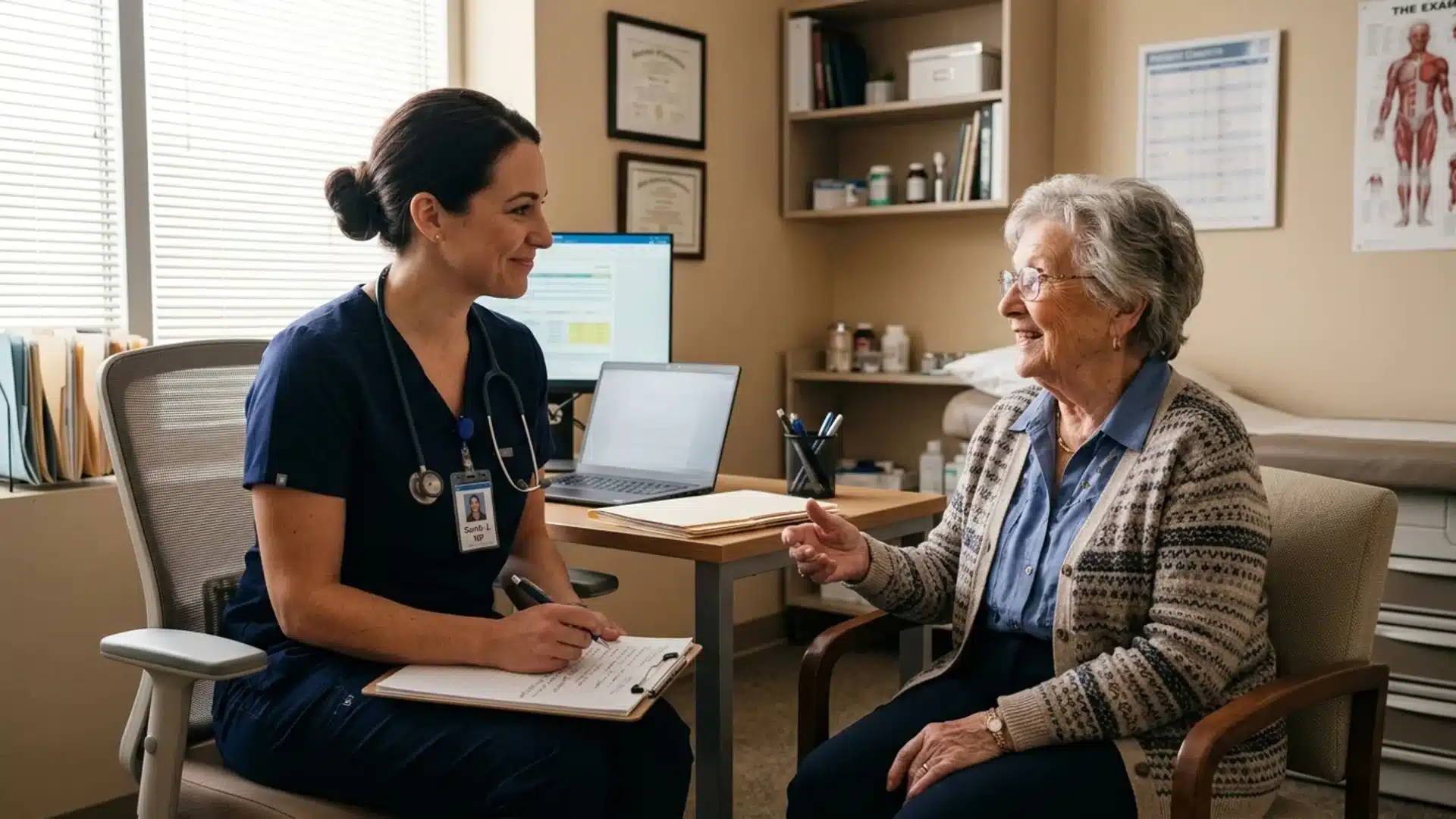
Scope of practice is one of the most important points in the PA vs NP comparison. It explains what each provider is allowed to do, how much independence they may have, and how state laws shape their daily work.
Scope of Practice for a PA
Can: PAs practice across a broad range of medical specialties and can often move between specialties without completing a new graduate degree. They work within a physician-led care model and collaborate with physicians and other HCPs.
Cannot: PAs must practice in accordance with state regulations and workplace policies. Their level of autonomy depends on state laws and the structure of the healthcare organization where they work.
Scope of Practice for an NP
Can: NPs provide care within their certified specialty area, such as family practice, adult-gerontology, or psychiatric mental health. In some states, they can practice independently without physician oversight.
Cannot: NPs are generally limited to the patient population or specialty area in which they are certified. Their level of independence and authority varies based on state regulations.
How State Laws Affect Both Roles
State laws determine how independently PAs and NPs can practice. In some states, NPs have full practice authority and can provide care without physician oversight. Other states require collaboration or supervision for certain services.
PAs generally practice within a physician-led model, but supervision requirements vary by state. Some states allow greater flexibility in physician collaboration, while others have more structured oversight requirements.
Because regulations differ across states, practice authority and responsibilities may vary depending on where a PA or NP works.
PA vs. NP Salary Comparison
Salary is often a major factor when choosing between these careers. While both professions offer strong earning potential, actual pay can vary based on specialty, experience, location, and employer.
Factor | PA | NP |
|---|---|---|
Median Annual Salary | $133,260 | $129,210 |
Median Hourly Wage | $64.07 | $62.12 |
Highest-Paying Opportunities | Surgery, emergency medicine, dermatology | Psychiatry, acute care, specialty practice |
Job Growth Outlook | 20% (2024–2034) | Strong demand nationwide |
Earning Potential | High | High |
Although PAs currently have a slightly higher median salary, the difference is relatively small.
For most professionals, specialty choice, geographic location, years of experience, and work setting will have a greater impact on earnings than the PA or NP title itself.
Are PA and NP Roles Interchangeable?
PAs and NPs can perform many of the same duties, but the roles are not fully interchangeable. Both may assess patients, prescribe medication, and manage treatment plans, depending on state laws and workplace rules.
However, their training paths, certification models, and legal requirements are different.
PAs are trained through a broad medical model and often work across several specialties. This gives them more flexibility when moving between practice areas.
NPs are trained through an advanced nursing model and are usually certified for a defined patient population or specialty, such as family practice, pediatrics, adult-gerontology, or psychiatric-mental health.
In some workplaces, PAs and NPs may hold similar job titles or fill similar provider roles. Still, employers must follow state scope-of-practice laws, certification rules, and supervision requirements when assigning duties.
Job Outlook and Career Opportunities

Healthcare demand continues to grow across the United States, creating strong opportunities for both PAs and NPs.
While both professions are expected to see steady growth, the types of opportunities available can differ based on training, specialty, and scope of practice.
Demand for PAs
Demand for PAs is driven by the need for healthcare providers who can work across multiple specialties and care settings.
- Hospitals and Health Systems: Many PAs work in hospitals, supporting physicians in medical, surgical, and specialty departments.
- Specialty Practices: Dermatology, orthopedics, cardiology, and emergency medicine continue to create strong demand for PAs.
- Rural and Underserved Areas: Healthcare facilities often rely on PAs to improve access to medical services in areas facing provider shortages.
Demand for NPs
Demand for NPs continues to rise as healthcare organizations expand access to primary and preventive care services.
- Primary Care Practices: Family medicine and primary care clinics remain major employers of NPs.
- Mental Health Services: Growing demand for behavioral healthcare has increased opportunities for Psychiatric Mental Health Nurse Practitioners.
- Community and Outpatient Care: NPs are increasingly needed in community health centers, urgent care facilities, and outpatient practices.
Both professions offer strong job stability and career growth. For most students, the better choice depends on their preferred training path, practice model, and long-term career goals.
Specializations and Work Settings
The way PAs and NPs specialize can affect career flexibility, daily responsibilities, and long-term job opportunities. While both can work in many healthcare settings, their training pathways shape where and how they practice.
1. Work Type
PAs are trained as generalists through a broad medical education model. This allows them to move between specialties more easily throughout their careers without completing a new graduate degree.
NPs are trained within a specific patient population or specialty area. Their education and certification focus on the types of patients they plan to serve.
2. Specialization Path
PAs can work in areas such as surgery, emergency medicine, dermatology, orthopedics, cardiology, and internal medicine. Their general medical training provides greater flexibility when changing specialties.
NPs typically choose a specialty during graduate school. Common paths include family practice, pediatrics, psychiatric mental health, adult-gerontology care, acute care, and women’s health.
3. Work Environment
PAs are commonly found in hospitals, surgical practices, specialty clinics, physician offices, urgent care centers, and telehealth settings.
NPs often work in primary care clinics, hospitals, private practices, community health centers, urgent care facilities, and telehealth services. Their work setting is often influenced by their specialty focus.
The training model behind each profession plays a major role in shaping career options. The next section examines how these differences can influence salary, job demand, and long-term career growth.
Which Career Path is Right for You?
Choosing between a PA and NP career depends on your educational background, career goals, and preferred approach to patient care.
Both professions offer strong job prospects, competitive salaries, and the opportunity to make a meaningful impact in healthcare.
Choose PA if:
- You do not have a nursing background.
- You want a direct path into advanced clinical practice.
- You prefer broad medical training.
- You want the flexibility to switch specialties during your career.
- You are comfortable working within a physician-led practice model.
Choose NP if:
- You are already a Registered Nurse (RN).
- You want to build on your nursing experience.
- You prefer a specialty-focused education path.
- You are interested in primary care or population-specific practice.
- You want the possibility of independent practice in certain states.
Before making a decision, consider your current educational background, long-term career goals, preferred work environment, and desired level of practice autonomy.
Understanding these factors can help you choose the path that best aligns with your professional interests and future plans.
Final Thoughts
One choice can change the way you enter healthcare and the kind of provider you become.
This PA vs. NP article helps answer the core question of how these roles differ in education, scope of practice, certification, work settings, salary, and career growth
PAs may be a good fit for students who want broad medical training and more room to change specialties.
NPs may suit registered nurses seeking advanced nursing practice and, in some states, the possibility of independent practice.
Compare your background, goals, and state rules, then take the next step toward the career that best fits you.
Frequently Asked Questions (FAQs)
Is PA School the Same as Medical School?
No. PA school is shorter than medical school and prepares graduates to practice medicine within the PA profession.
Do PAs and NPs Need Residency Training?
Residency is not required for most PA or NP roles, but optional post-graduate training programs are available in some specialties.
Can PAs or NPs Open Their Own Clinics?
This depends on state laws. Some NPs may open clinics independently, while PAs often need a physician practice agreement.