



Most test-takers struggle with one big question: how long to study for the LSAT?
Too little prep time means poor scores. Too much can lead to burnout and wasted months.
But no need to worry, as there’s a proven timeframe that works for most students, and we will show you exactly how to calculate yours based on your starting point and target score.
This blog breaks down the ideal study timeline, factors that affect your prep schedule, and practical tips to maximize your study efficiency.
You’ll learn how to create a realistic plan that fits your life while giving you the best shot at your dream score.
The Expert Consensus on LSAT Study Time
Most LSAT experts agree on a standard timeframe. You need about three to six months of solid preparation.
This isn’t just random advice. The Law School Admission Council recommends at least 300 hours of focused study time. That’s roughly 15-20 hours per week over four months.
But here’s what matters most. Quality beats quantity every time. Spreading those hours across several months helps your brain absorb the material better than cramming everything into a few weeks.
Different prep companies suggest similar ranges. Kaplan advises three months minimum. The Princeton Review recommends four to six months for most students.
The consensus is clear. Give yourself at least 12 weeks, but six months is better if you want top scores.
Your brain needs time to process the logic patterns and build speed.
How Long to Study for LSAT (Proven Templates)

Your study timeline depends on where you’re starting and where you want to go. Here are proven templates based on different score goals and starting points.
Template 1: The 3-Month Plan for Strong Starters
This works if you’re already scoring 155+ on practice tests. You need 12-15 hours per week for 3 months straight.
Focus on refining your weak areas and improving your test-taking speed. Most students using this plan aim for scores in the 160-165 range.
Start with diagnostic tests. Then drill problem areas daily. Take full practice tests every two weeks to track progress.
Template 2: The 4-Month Balanced Approach
This suits most test-takers starting from scratch. Plan for 15-20 hours per week over 16 weeks.
Month one covers fundamentals. Month two focuses on drilling each section separately. Month three builds speed and accuracy together.
The final month is all practice tests and review. This gives you time to learn concepts without rushing. It’s the sweet spot between too fast and too slow.
Template 3: The 6-Month Comprehensive Strategy
Choose this if you’re starting below 150 or targeting 170+. You’ll study 10-15 hours per week for 6 months.
This longer timeline reduces burnout risk. You can master every question type thoroughly and build lasting skills.
Spend months one and two on foundations. Months three and four on advanced techniques.
The final two months are spent on full-length tests and fine-tuning your approach.
Factors that Determine Your Personal Study Timeline
No two students need the same amount of prep time. Your personal timeline depends on several key factors that make your situation unique.
- Your Baseline Score – Take a diagnostic test first. Students scoring 145 need more time than those starting at 155. The bigger the gap between your current and target score, the longer you’ll need.
- Your Target Law School – Top 14 schools want 165+. Regional schools accept 150-160. Higher goals mean more study hours and a longer prep timeline.
- Your Daily Schedule – Full-time workers need longer timelines with fewer weekly hours. Students can compress their prep into shorter, more intense periods with more daily study time.
- Your Learning Speed – Some people grasp logic games quickly. Others need weeks for reading comprehension. Be honest about how fast you absorb new concepts and adjust your timeline accordingly.
- Previous Test-Taking Experience – If you’ve aced standardized tests before, you’ll adapt faster. First-timers with standardized tests need extra weeks to build test-taking stamina and strategies.
Proven Study Techniques that Maximize Every Hour
Getting the right study hours matters, but using them wisely matters more. These techniques help you squeeze maximum value from every study session.
| Technique | How It Works | Time Saved |
|---|---|---|
| Timed Practice | Set strict time limits for each section. This builds speed and mimics real test pressure. | Cuts study time by 20% through focused work |
| Error Logs | Write down every mistake with the reason why. Review this log weekly to spot patterns in your errors. | Prevents repeating mistakes and saves review hours |
| Active Review | Redo wrong answers without looking at explanations first. Then check your reasoning against the correct approach. | Builds deep understanding faster than passive reading |
| Spaced Repetition | Review material at increasing intervals. Study logic games today, again in three days, then weekly. | Improves long-term retention by 40% over cramming |
When to Actually Take the Test (Readiness Checklist)
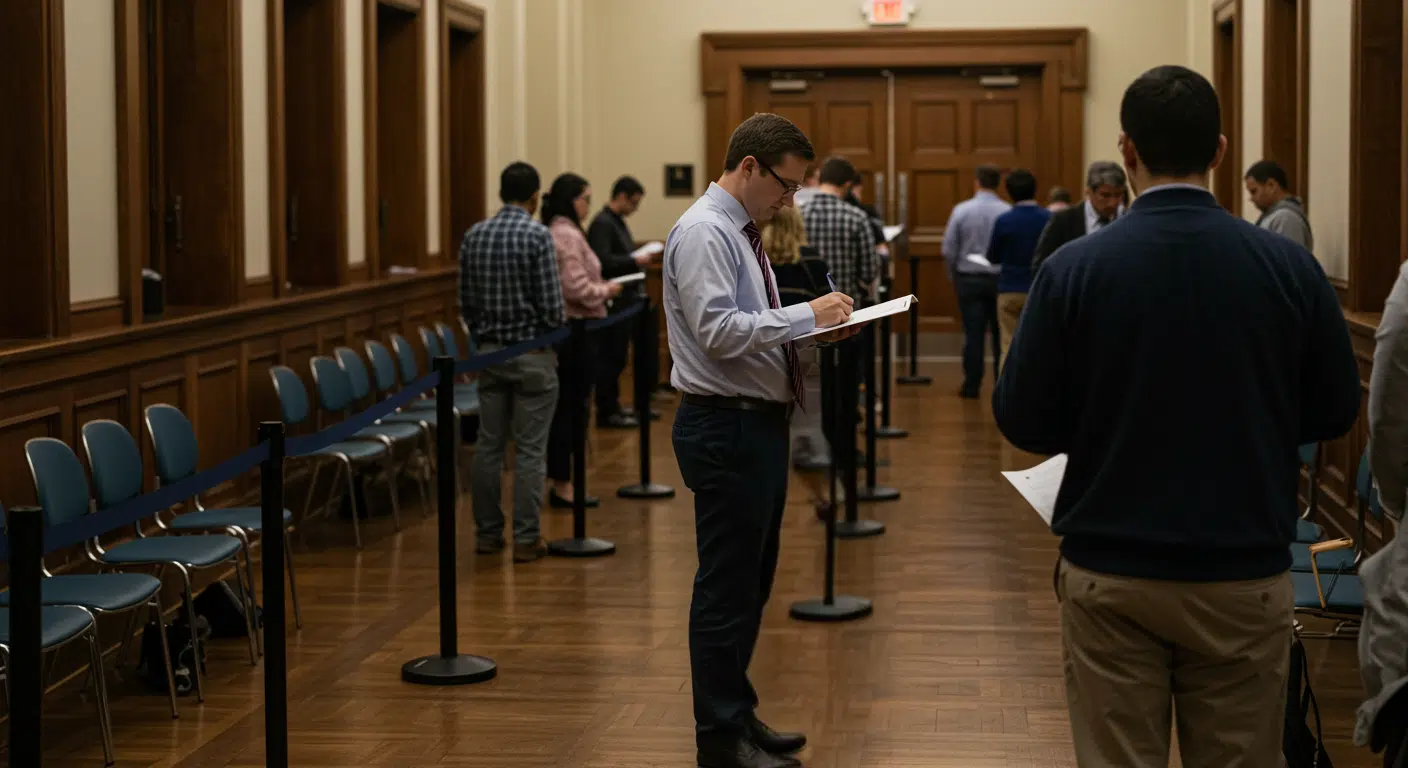
Don’t register for a test date until you hit these markers. Rushing in unprepared wastes money and potentially hurts your law school applications.
- Consistent Practice Test Scores – You’re hitting your target score on at least three consecutive full-length practice tests. One good score isn’t enough. You need consistency under timed conditions.
- Comfortable Time Management – You finish each section with time to spare. No more rushing through the last five questions or leaving blanks at the end.
- Error Pattern Recognition – You know exactly which question types trip you up. More importantly, you’ve developed strategies to handle them correctly and consistently.
- Mental Stamina Built – You can focus for the whole test without your brain getting foggy. The fourth section feels as sharp as the first.
- Logic Games Mastery – You complete game sections in under 30 minutes with 90% accuracy. Games are the most teachable section, so master them fully.
- Reading Speed Improved – You read passages quickly while retaining key details. You’re not re-reading paragraphs multiple times to understand the main points.
- Stress Management Works – Practice tests feel routine, not terrifying. You’ve learned to stay calm when stuck and move on without panicking or losing focus.
Winding It Up
So, how long to study for the LSAT? For most students, four to six months hits the sweet spot.
But your mileage may vary.
The real key isn’t just logging hours. It’s about consistent practice, smart techniques, and knowing when you’re truly ready. Don’t rush into test day because of arbitrary deadlines.
Take that diagnostic test today. Pick your template based on your starting score. Then commit to the timeline that fits your life and goals.
Your law school future depends on this test. Give yourself enough time to do it right. Comment below if you have any other techniques and help other fellow test takers.