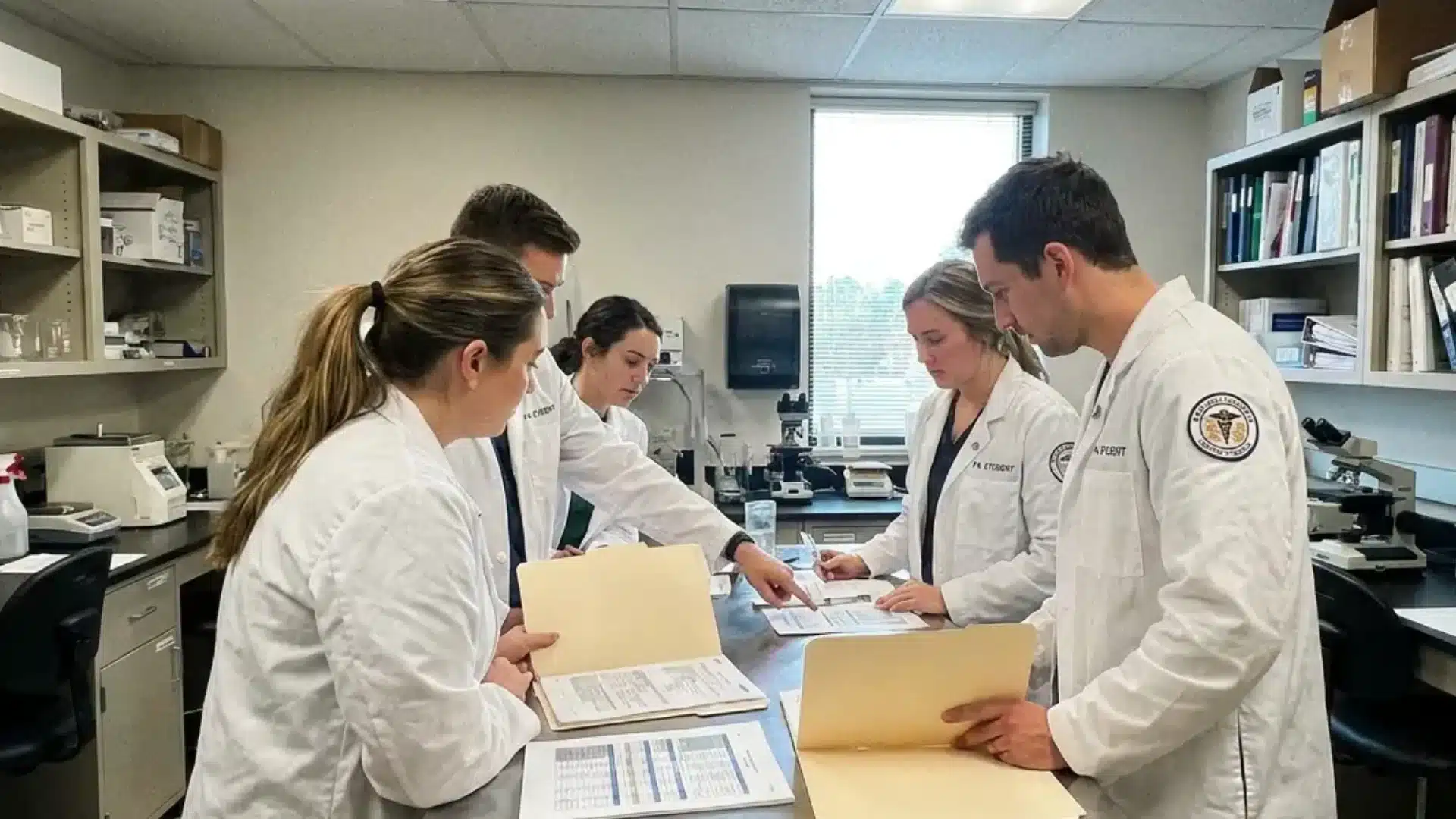

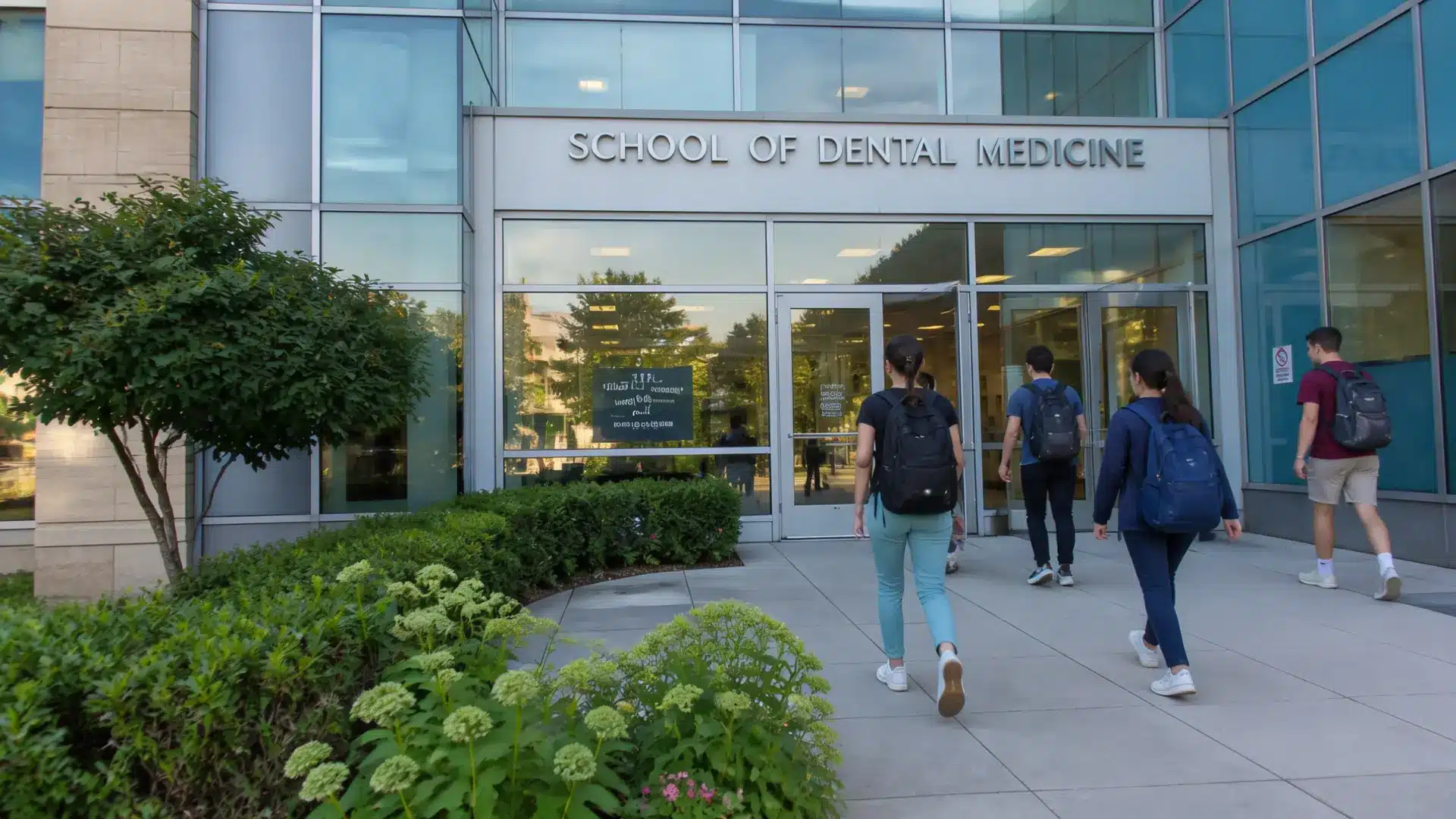

Getting into dental school takes more than good grades and a steady hand.
The best dental schools in the US turn away thousands of qualified applicants every year, and the reasons behind those decisions might surprise you.
That alone tells you the process is serious, but it does not mean it is out of reach.
Your GPA, DAT scores, shadowing hours, extracurricular activities, and interview performance all shape how strong your application looks.
You just need to know what schools want before you apply.
Is It Hard to Get Into Dental School?
Getting into dental school is genuinely tough.
According to the American Dental Association, dental school acceptance rates have fluctuated over time, but the share of applicants accepted rose to 58.6% in 2023, up from about 42.5% in 2015.
Schools look closely at your GPA, DAT scores, and shadowing hours.
Compared to medical school, dental admissions can feel slightly less brutal, since average GPA and test score benchmarks run a bit lower.
Still, weak grades will hurt your chances either way.
What Makes Dental School Admission Competitive?

Dental schools weigh several factors together, not just one standout number. Here’s what admissions committees actually look at when reviewing your application:
1. GPA Expectations
Most dental schools want a GPA of 3.5 or higher, especially in science courses, as of 2023-24. Your science GPA often matters more than your overall GPA.
Admissions committees use it to predict how well you’ll handle rigorous coursework such as biochemistry and physiology.
The ADEA Official Guide to Dental School is the current edition and will provide the details.
2. DAT Scores
The Dental Admission Test measures your knowledge of science, reading skills, and perceptual abilities.
Competitive scores usually fall between 20 and 30 on a 30-point scale. Top programs often expect scores of 22 or higher.
Your Academic Average and Perceptual Ability scores get extra attention. Retaking the DAT can help if your first attempt falls short.
Strong prep resources and practice tests make a real difference here.
3. Science Coursework
Dental schools require specific science classes before you apply. These include biology, general chemistry, organic chemistry, and physics, each with a lab component.
Biochemistry is often required too. Your performance in these classes shows whether you can handle the rigor of dental school.
Grades matter more than just completing the courses. Many applicants retake weaker science classes to boost their GPA before submitting their application.
4. Shadowing Experience
Most dental schools require 50 to 100 hours of shadowing with a dentist. This shows you understand the daily realities of the profession, not just its appeal.
Shadowing multiple specialties, such as general dentistry, orthodontics, or oral surgery, further strengthens your application.
Admissions committees want to see genuine reflection on these experiences in your personal statement.
5. Clinical Exposure
Beyond shadowing, hands-on clinical exposure adds real weight to your application.
Working as a dental assistant, hygienist, or in a related healthcare role lets you interact directly with patients.
This experience proves you can handle the physical and emotional demands of patient care.
It also helps you confirm dentistry is the right career path before committing years of your life and finances to the degree.
6. Community Service
Dental schools want applicants who show genuine care for others and not just academic ability.
Volunteering at free clinics, health fairs, or underserved communities demonstrates compassion and commitment.
This kind of service also reflects the profession’s focus on accessible oral healthcare.
Consistent, long-term volunteering looks stronger than scattered one-time events. Admissions committees often ask about these experiences during interviews to gauge your motivations.
7. Research Experience
Research isn’t always required, but it can significantly strengthen your application.
Working in a lab or assisting with dental or biomedical research shows critical thinking and scientific curiosity.
It also signals you can handle detailed, methodical work, a skill dentistry demands daily.
Even a short research project, if described thoughtfully, can set your application apart from candidates with similar grades and test scores.
8. Leadership Activities
Dental schools value applicants who take initiative rather than just follow instructions.
Leading a club, organizing volunteer events, or holding an officer position shows responsibility and teamwork skills.
These experiences translate directly to running a practice or leading a dental team later. Admissions committees look for growth and impact, and not just titles.
9. Personal Statement
Your personal statement ties your entire application together into one clear narrative.
It should explain why you want to pursue dentistry, using specific experiences rather than generic statements.
Avoid clichés about helping people; show it through real stories instead. Admissions committees read thousands of essays, so authenticity stands out more than polished language.
Proofread carefully, since small errors can hurt an otherwise strong application.
10. Letters of Recommendation
Strong letters come from people who know you well. Science professors and dentists you’ve shadowed make excellent choices.
Ask recommenders who can speak to specific qualities like work ethic, compassion, or problem-solving skills.
Give them plenty of time and relevant details about your goals. Generic, vague letters carry less weight than detailed ones describing real interactions and observations.
11. Interview Performance
Interviews let admissions committees see how you communicate and think under pressure.
Many schools use multiple mini-interviews, presenting short scenarios to test judgment and ethics.
Practice discussing your motivations, experiences, and how you handle challenges. Confidence matters, but so does genuine reflection.
Poor interview performance can hurt even applicants with strong grades and test scores, so preparation here matters just as much as academics.
Best Dental Schools in the US
These five programs are consistently ranked among the best dental schools in the US, and each has specific expectations applicants should know going in.
| School | Location | Known For | Acceptance Rate |
| Harvard School of Dental Medicine | Boston, MA | Research, selectivity | Below five percent |
| University of Michigan School of Dentistry | Boston, MA | Clinical training, research | Highly competitive |
| UCSF School of Dentistry | San Francisco, CA | Research, specialty training | Highly selective |
| University of Pennsylvania School of Dental Medicine | Philadelphia, PA | Clinical experience, patient interaction | Highly competitive |
| Columbia University College of Dental Medicine | New York, NY | Diverse patient exposure | Highly selective |
Admission standards shift from year to year, so always check each school’s official admissions page for the most current figures.
Common Reasons Applicants Are Rejected
Weak communication skills often surface during interviews and hurt otherwise strong candidates.
Each of these issues points to gaps beyond grades and test scores, so applicants should treat every part of the application with equal care.
- Low DAT scores relative to peers: A GPA that looks solid can’t offset a DAT score that falls below the school’s average range.
- Limited shadowing experience: Admissions committees want proof you understand the daily grind and not just an interest in dentistry.
- Poor interview performance: Nervous or scripted answers can undo months of strong application prep.
- Weak personal statements: Generic essays that skip specific stories fail to show why dentistry fits you.
- Red flags in letters of recommendation: A lukewarm or vague letter raises more doubt than a missing one.
Is Dental School Harder to Get Into Than Medical School?
Dental schools accept roughly 30-40% of applicants, while medical schools accept around 40% but face far more total applicants.
Medical school also requires slightly higher average GPAs and MCAT scores than the DAT scores dental programs expect.
Medical school applicants often outnumber dental school applicants by a wide margin, which increases overall competition.
Both paths demand strong academic performance, but admission to dental school is generally considered somewhat less competitive.
Can You Get Into Dental School With a Low GPA?

Yes, but it takes extra effort to offset the weaker GPA. Strong DAT scores, extensive shadowing, and compelling personal statements can balance academic shortcomings.
Retaking science courses or completing a post-baccalaureate program also shows admissions committees you’ve grown academically.
Some schools weigh upward grade trends favorably, especially if recent coursework shows real improvement.
A low GPA narrows your options, but it doesn’t close every door.
Since how GPA weighting works can differ from one undergraduate program to another, it helps to know exactly how your target schools calculate your science GPA before you apply.
Improve Your Chances of Getting Into Dental School
Small, deliberate steps often separate accepted applicants from those left waiting. Here are a few ways to make your application stand out for the right reasons:
- Start applying early, since ADEA AADSAS uses rolling admissions, and earlier submissions are often reviewed first.
- Retake weak prerequisite courses to show academic growth over time.
- Build genuine relationships with faculty and dentists so recommendation letters feel personal.
- Research each school’s mission and highlight true alignment in your application.
- Seek feedback on your personal statement from mentors before submitting it, since fresh eyes catch what you might miss.
None of these steps guarantee acceptance, but together they build a far stronger case for your candidacy.
Final Thoughts
Getting into dental school takes more than good grades or a solid DAT score.
Admissions committees look at your full profile, including shadowing hours, clinical exposure, community service, and how well you communicate during interviews.
Weak areas like a low GPA can be offset with strong effort elsewhere, so don’t count yourself out too early.
Research your target schools, start your application early, and stay genuine in your personal statement and interviews.
Share your own dental school application experience in the comments below, and let others know what tips helped you the most.
Frequently Asked Questions
How Long Does Dental School Take to Complete?
Dental school takes 4 years to complete, similar to medical school. Students earn either a DDS or a DMD degree upon graduation.
Can You Apply to Dental School without a Science Major?
Yes, dental schools accept any undergraduate major. You just need to complete the required science prerequisite courses before applying
Do Dental Schools Accept AP or Transfer Credits for Prerequisites?
Many schools accept AP or transfer credits, but policies vary widely. Always confirm directly with each program’s admissions office beforehand.
Is It Possible to Get into Dental School After Multiple Rejections?
Yes, many applicants get accepted after reapplying. Strengthening weak areas, such as DAT scores or experience, often improves your performance on your next attempt.