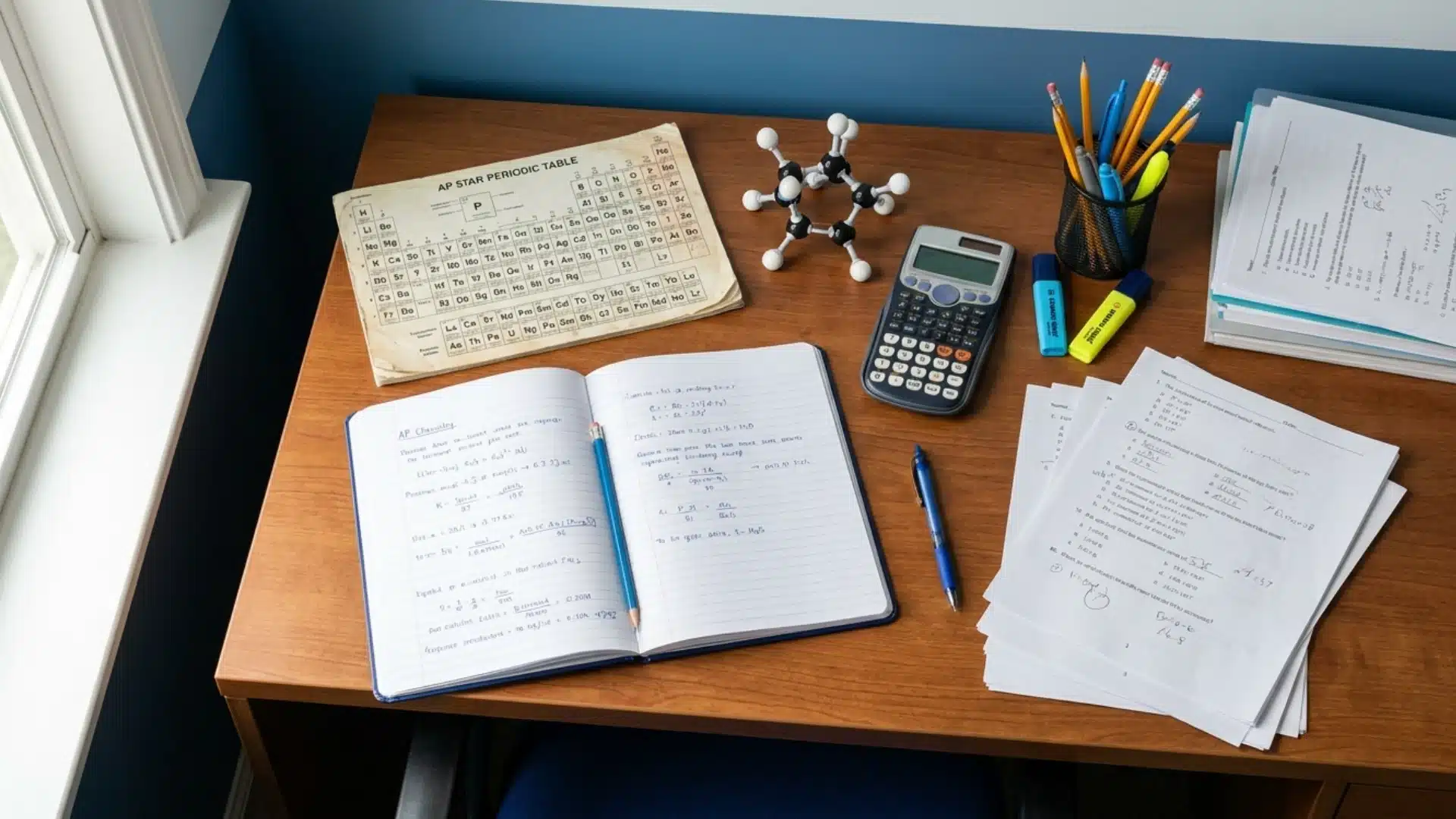

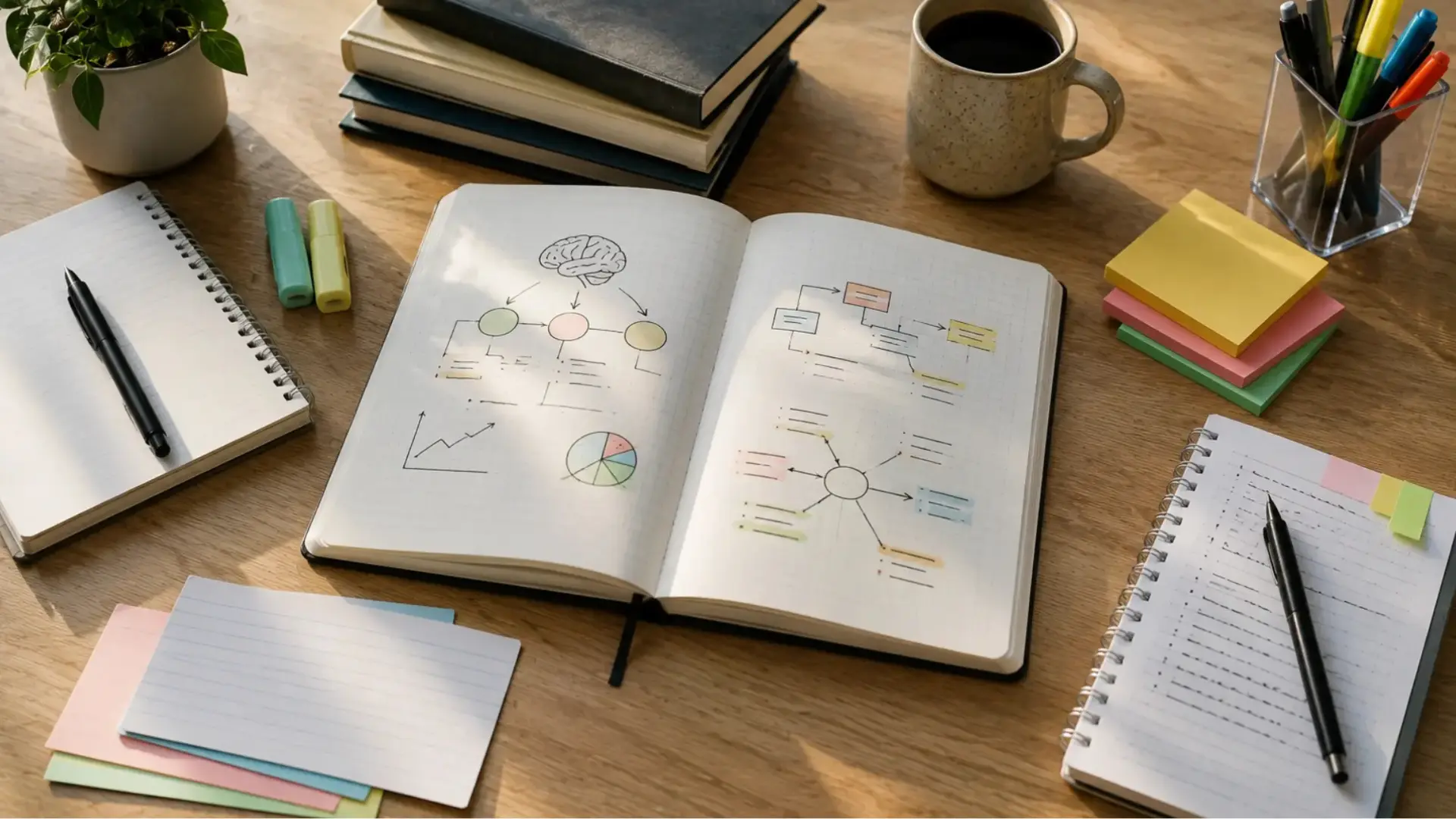
You’ve spent hours with your textbook, highlighted half the page, and re-read the same chapter twice, yet come exam day, it feels like you never studied at all.
The problem isn’t your effort. It’s your method. Most students were never taught how to study, only that they should.
This breaks down the most effective study techniques, including the best ones for exams, so every hour you put in actually counts.
What Makes a Study Technique Actually Effective?
Not every study method delivers the same results. The techniques that actually work share one thing in common: they force your brain to actively engage with information rather than simply receive it.
Effectiveness comes down to how deeply a method makes you process, connect, and retrieve what you are learning.
The best study methods create a degree of difficulty; they make recall feel like a challenge. That struggle is not a sign of failure; it is exactly how long-term memory is built.
Engagement, repetition, and retrieval are the three non-negotiables behind every method that consistently delivers results.
The Best Study Techniques for Deep Learning
Not all study methods are created equal. These ten techniques are backed by research and built around how your brain actually learns, through engagement, repetition, and retrieval.
1. Active Recall

Instead of re-reading your notes, close them and try to retrieve what you know from memory. This struggle to recall, even when it feels uncomfortable, is exactly what builds long-term retention.
Quiz yourself, use flashcards, or answer practice questions without first looking at the material. The harder your brain works to retrieve something, the stronger that memory becomes over time.
2. Spaced Repetition

Rather than covering everything in one go, revisit material at increasing intervals. Study a topic on Day 1, review it on Day 3, then on Day 7, and finally on Day 14.
Each session reinforces the memory just before it begins to fade, making recall stronger and more automatic. This method works with your brain’s natural forgetting curve rather than fighting it.
3. The Feynman Technique
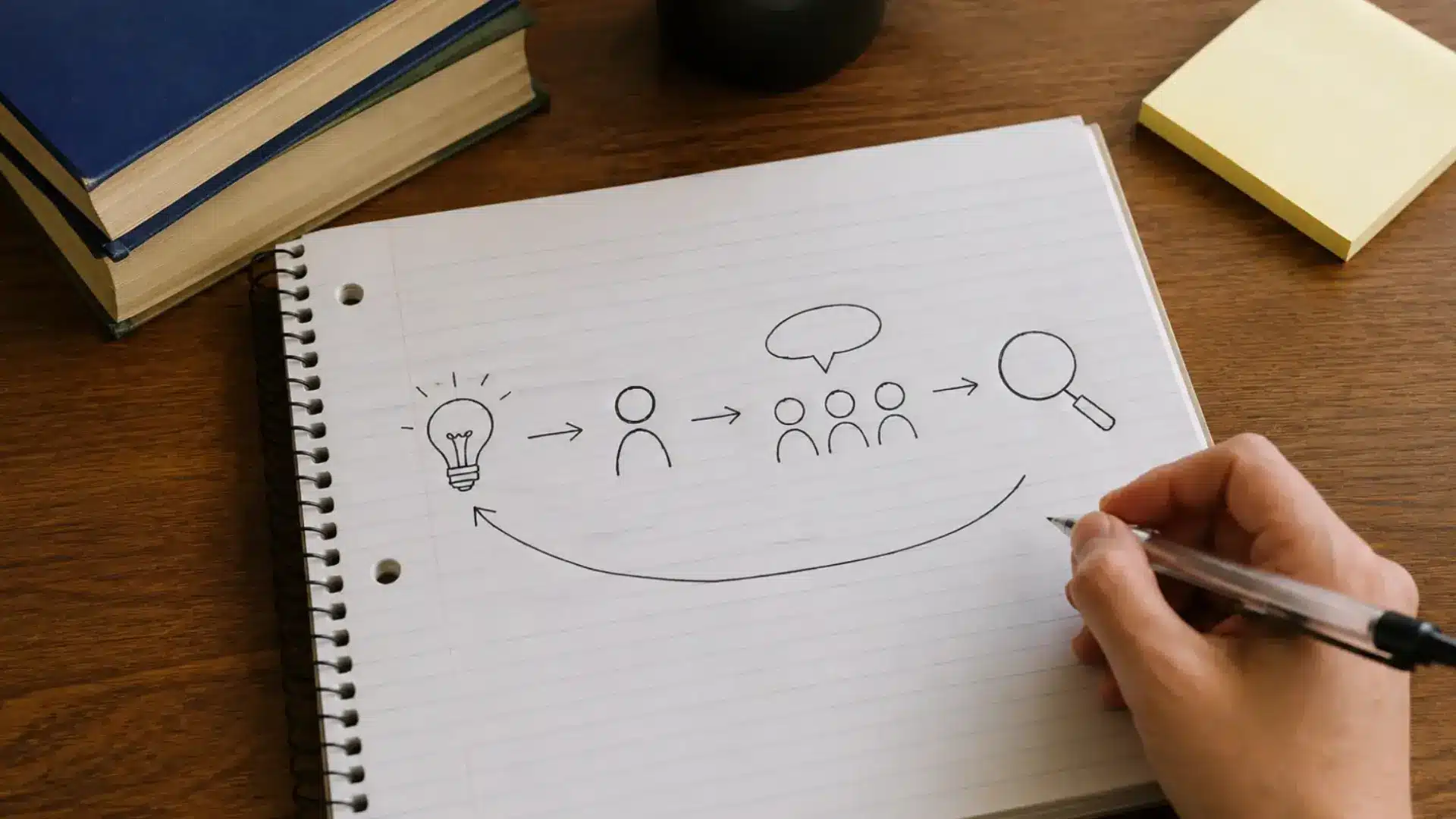
Pick a concept and explain it in plain, simple language, as if teaching someone with zero background. Where you stumble or go vague, that is your knowledge gap.
Go back, fill it in, then explain it again until the concept flows without effort or hesitation. If you cannot simplify it, you have not understood it deeply enough yet.
4. Mind Mapping
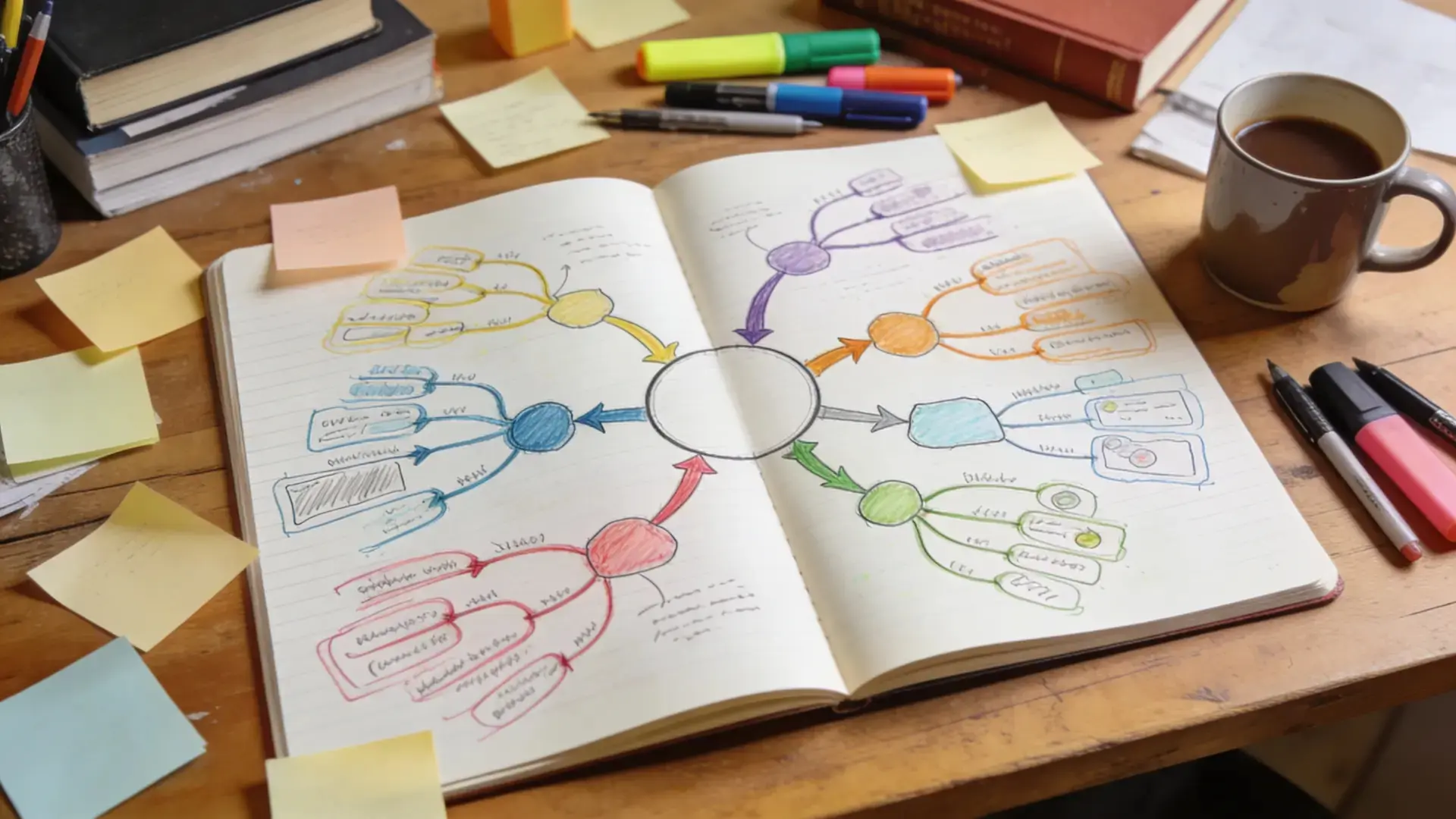
Start with a central idea and branch outward, connecting related concepts visually on paper.
Mind mapping works especially well for complex or interconnected topics where linear notes miss the bigger picture entirely.
It forces your brain to find relationships between ideas rather than storing them in isolation. The act of building the map is itself a powerful form of active engagement.
5. Interleaved Practice
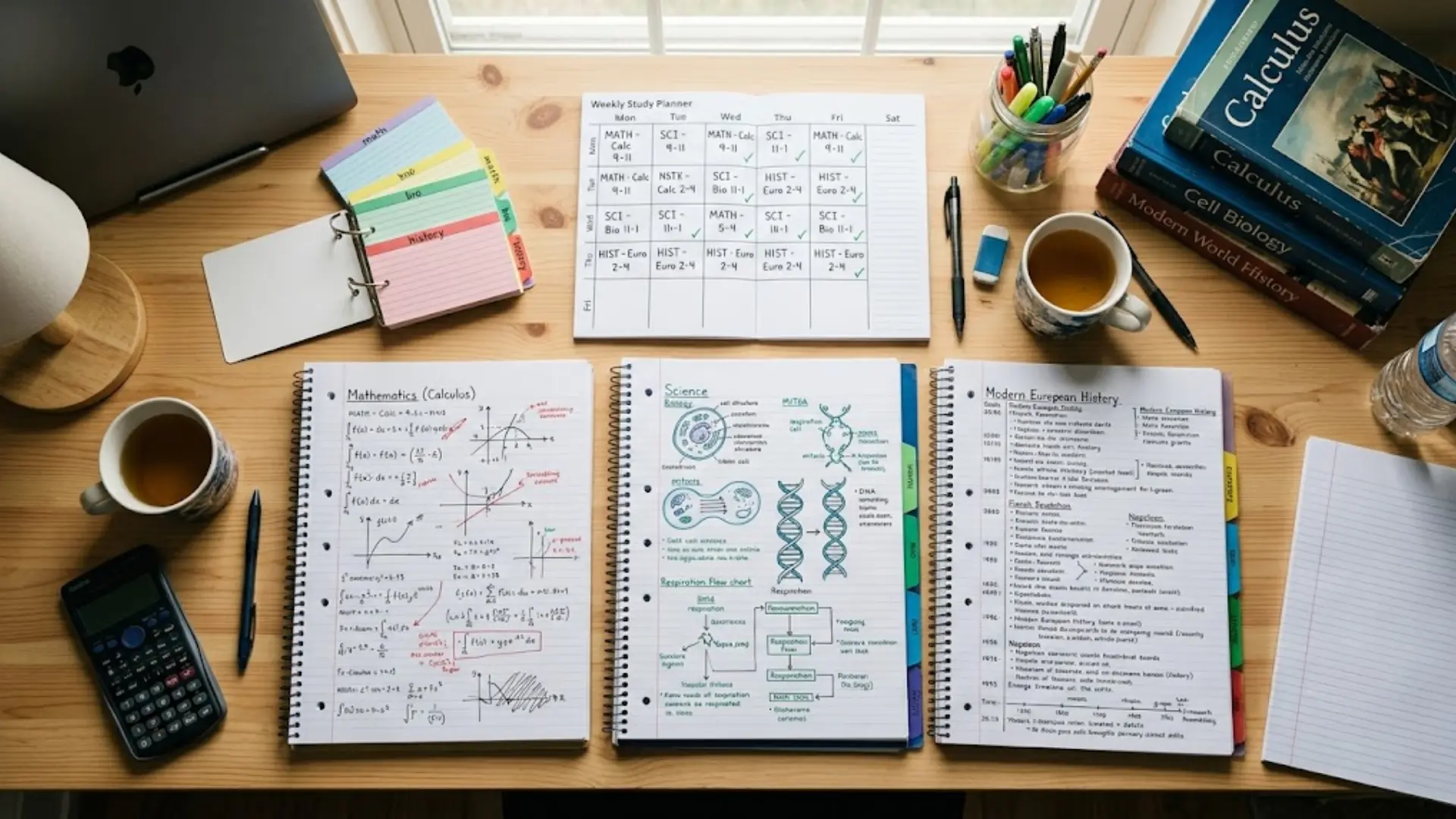
Instead of dedicating a full session to one subject, rotate between two or three topics. This feels harder in the moment, and that is precisely the point.
Switching between subjects forces deeper processing and prevents the false confidence that comes from blocked, single-subject studying.
Over time, interleaving builds more flexible and durable recall than any single-subject marathon session ever will.
6. The Brain Dump Method
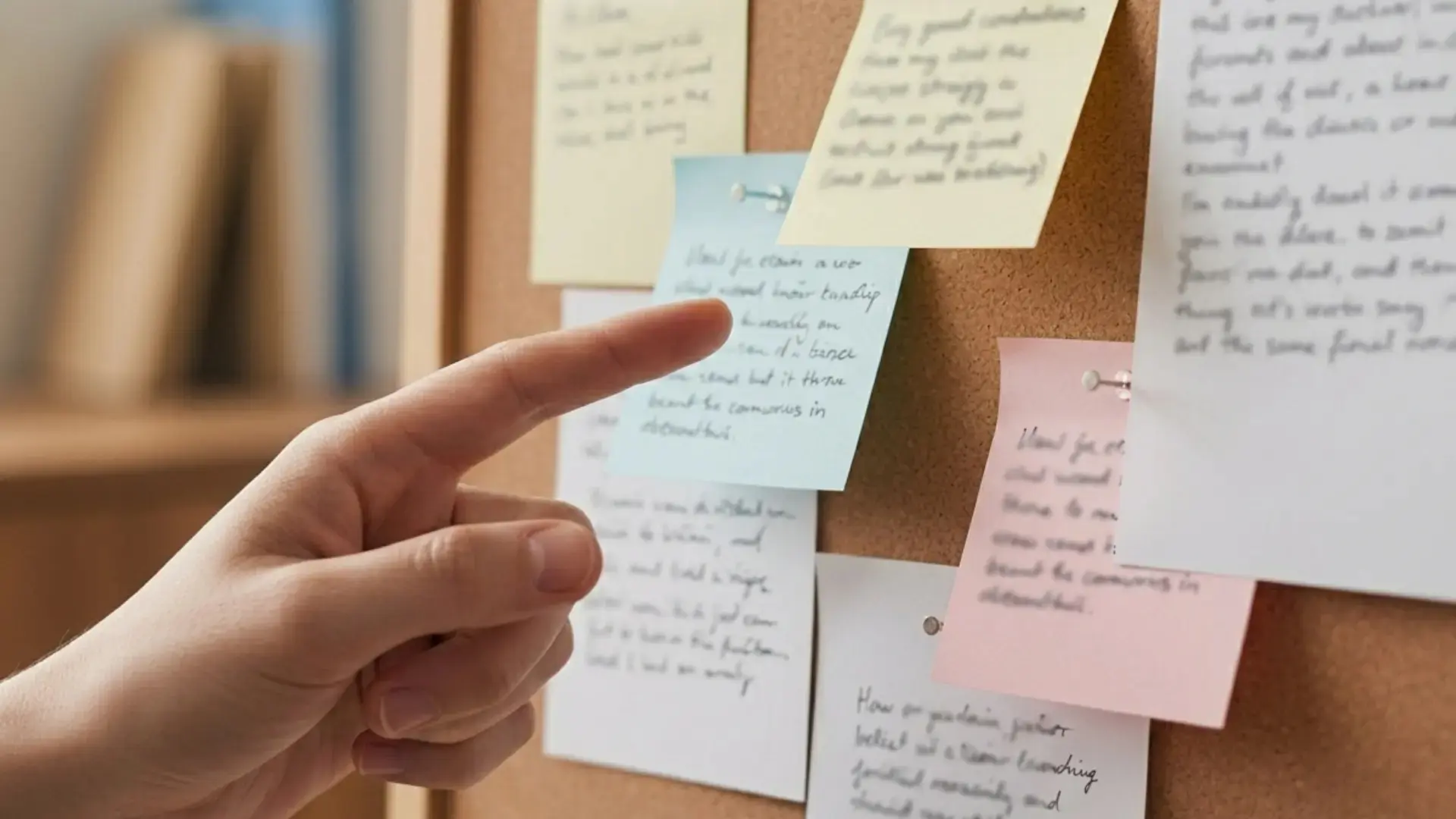
Before opening your notes, write down everything you already know about the topic without worrying about structure or order.
This clears your working memory and quickly reveals the areas where your understanding is weak or incomplete.
Once you finish, go back to your notes only to fill those gaps instead of re-reading entire chapters. This method keeps studying focused, active, and far more effective for long-term recall.
7. Teach-Back Method

Explain a concept out loud using your own words, if to a friend, a study partner, or yourself.
If the explanation feels confusing, unclear, or incomplete, that usually means there are still gaps in your understanding.
Teaching forces your brain to simplify information, connect ideas clearly, and identify weak points quickly. This makes it far more effective than simply reading the same material over and over again.
8. Turn Headings Into Questions
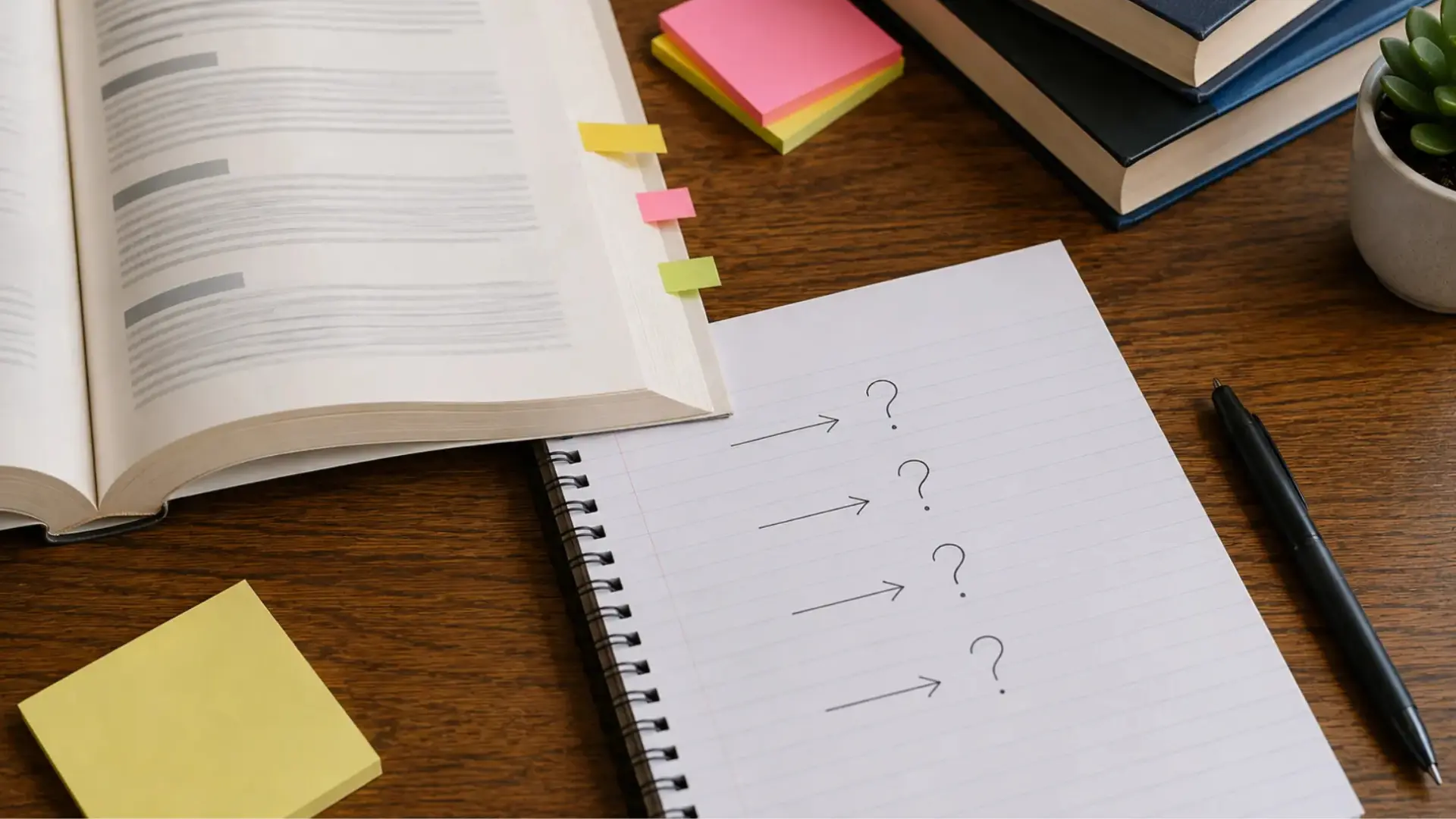
Before reading a chapter or section, turn every heading into a question first. Then read with the goal of finding the answer instead of simply moving through the page.
This small change turns passive reading into active learning, helping your brain stay focused and engaged throughout the session. As a result, you understand concepts faster and remember far more after studying.
9. Use Real-World Examples and Case Studies

After learning a concept, connect it to a real situation, news story, or practical example as quickly as possible. Information becomes much easier to remember when tied to something concrete and familiar.
This method helps your brain understand how ideas work beyond textbooks, rather than treating them as isolated facts. It is especially useful in subjects such as psychology, economics, business, and health sciences.
10. Post-Study Reflection

Spend the last five minutes of every study session asking yourself three simple questions: What did I learn? What still feels unclear? What should I do differently next time?
This quick reflection helps you become more aware of your study habits rather than focusing solely on the material itself.
Over time, it improves both your understanding and your ability to learn more effectively, making every future study session more focused, productive, and easier to manage.
Study Techniques for Exam Season
General study techniques build your foundation, but as exams approach, the strategy has to change. It’s no longer about learning new material. It’s about training your brain to perform under pressure.
11. Practice Tests and Past Papers
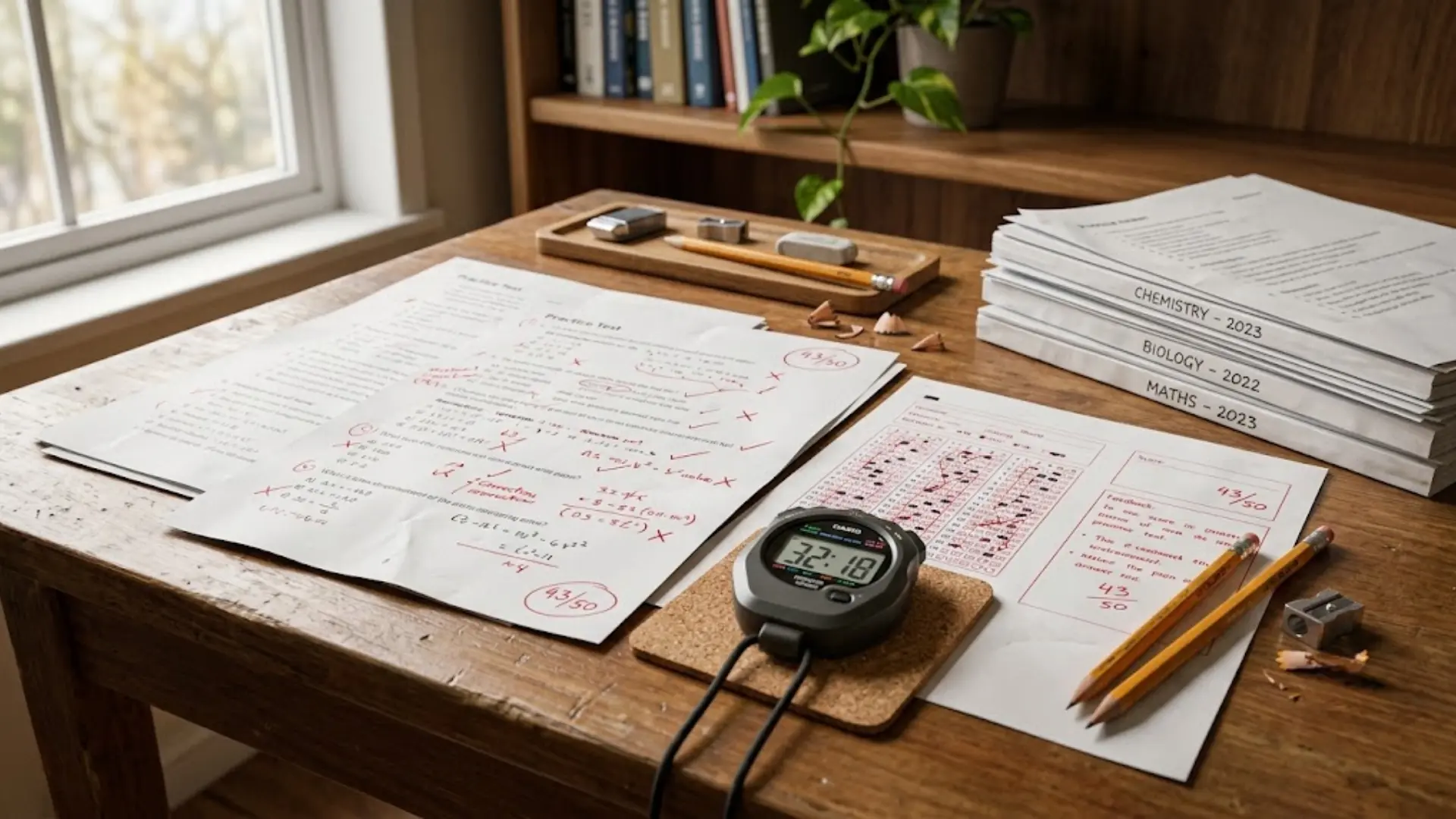
Nothing simulates exam pressure better than past papers. Complete one full past paper per week about a month before the exam under strict timed conditions.
Review every incorrect answer carefully and trace back exactly why you got it wrong.
Repeated exposure to question patterns makes the real exam feel familiar rather than foreign. Reviewing mistakes is just as important as completing the paper itself.
12. The Leitner System for Last-Minute Revision

When time is short and content is heavy, the Leitner System keeps your revision focused and efficient. It sorts flashcards into three priority boxes based on how well you know each topic.
Cards you get wrong go into daily review. Cards you get right occasionally are reviewed every two days. Cards you recall consistently only need one final review before the exam.
How to Build a Study Schedule That Sticks
Knowing the right techniques is only half the battle; without a structured plan, even the best strategies fall apart. Here is how to build a schedule that is realistic, flexible, and actually followed.
Use this as a base and adjust subjects and durations to your own syllabus and exam dates.
| Day | Subject | Technique | Duration |
|---|---|---|---|
| Monday | Mathematics | Practice Problems + Active Recall | 60 mins |
| Tuesday | Science | Feynman Technique + Mind Mapping | 60 mins |
| Wednesday | English / Language | Summarisation + Past Papers | 45 mins |
| Thursday | History / Humanities | Spaced Repetition + Flashcards | 60 mins |
| Friday | Weakest Subject | Brain Dump + Active Recall | 75 mins |
| Saturday | All Subjects | Mixed Revision + Interleaved Practice | 90 mins |
| Sunday | Light Review Only | Leitner Flashcards + Reflection | 30 mins |
Note: Swap subjects based on your own timetable. The techniques column should rotate weekly to avoid falling back into passive habits.
How to Adjust Your Plan Around Exam Dates
A study plan without exam dates at its center is just a wishlist. Here is how to build a schedule that bends around your actual timeline without breaking:
- Mark every exam date first: Before planning study sessions, plot all exam dates on a calendar so your schedule is built around reality, not guesswork
- Work strictly backward: From each exam date, count back and assign specific topics to specific days, ensuring every chapter has a dedicated slot before the paper
- Tighten the schedule at the four-week mark: Reduce social commitments and increase daily study blocks as the exam window closes in
- Shift from learning to revision at two weeks out: No new topics after this point. All sessions should focus purely on retrieval and practice papers
- Build buffer days in: Leave one day per week unscheduled to absorb any topic that took longer than expected, without derailing the entire plan
- Prioritize by exam order: If two exams fall in the same week, front-load preparation for whichever comes first, while keeping the second on light maintenance revision
- Do not reschedule, redistribute: If you miss a session, don’t skip it entirely. Spread that topic across the next two days in smaller chunks instead.
A plan that accounts for real life is always more effective than a perfect one that falls apart the moment something does not go to schedule.
Study Environment and Habits That Amplify Any Technique
Even the best study techniques become far more effective when supported by the right habits and environment. Small adjustments in how and where you study can improve focus, memory, and long-term consistency:
| Habit or Environment Change | Why It Helps | Best Time |
|---|---|---|
| Use brown noise or lo-fi playlists | Blocks distractions without breaking focus | Any session |
| Study with proper lighting | Reduces eye strain and fatigue | Day and night |
| Keep your phone away | Eliminates distraction and improves focus | Every session |
| Use one dedicated study spot | Trains your brain to focus faster | Daily routine |
| Clear your desk before studying | Removes visual distractions before starting | Session start |
| Review difficult material before bed | Strengthens overnight memory and recall | Evening only |
| Take breaks every 45 minutes | Prevents burnout during long sessions | Long sessions |
| Step outside during breaks | Restores attention better than scrolling | Mid session |
| Walk between study subjects | Resets your brain between topics | Between subjects |
Strong study habits are not built on a single perfect technique. They come from combining effective methods with an environment that supports deep focus and consistent learning.
Mistakes to Avoid When Using Study Techniques
Even the right techniques will fail if the habits surrounding them work against you. Watch out for these:
- Switching techniques too often: Trying a new method every few days prevents any single approach from showing real results. Stick with one for at least two weeks before judging it
- Confusing busy with productive: Filling hours with low-effort tasks like color-coding notes feels like progress, but moves nothing forward
- Ignoring your weakest subjects: Most students naturally gravitate toward what they already know. Weak areas need the most time, not the least
- Skipping review sessions: Learning something once means nothing without revisiting it. Missed review gaps undo days of prior effort
- Studying without a clear goal per session: Sitting down to “study” without a specific target wastes the first 20 minutes and kills momentum
- Treating the first read as learning: Reading through material once is exposure, not retention. If you cannot recall it without looking, you have not learned it yet.
The biggest obstacle to better studying is rarely a lack of effort; it is effort pointed in the wrong direction.
Frequently Asked Questions
Is It Better to Study Alone or in a Group?
Both work, but study groups are most effective for discussing and debating concepts, while solo study is better for deep focus and retrieval practice.
How Long Does It Take to See Results from a New Study Technique?
Most techniques show a noticeable difference in retention within two to three weeks of consistent practice.
Does Listening to a Lecture Recording Count as Revision?
Passive listening without pausing to recall or question the content offers very little retention benefit compared to active methods.
The Bottom Line
There is no single perfect study technique; the best one is simply the one you stay consistent with. Jumping between methods every week will get you nowhere.
Pick two or three approaches from this guide that genuinely fit your schedule, your subjects, and the way you think.
Give them time, trust the process, and watch the results follow. Save this page so you have it ready when exam season comes around and share it with a friend who needs it just as much as you do.