

You sit down to work, then suddenly find yourself checking messages, opening new tabs, or forgetting what you started. A short attention span can quietly affect work, studying, conversations, and even simple daily tasks.
Constant stimulation trains your brain to keep searching for something new, making it harder to focus than it used to be.
But the thing is that attention is not fixed. Your brain can rebuild stronger focus through small daily changes and better habits.
Learning how to increase attention span starts with understanding what pulls your mind away and what helps it stay present longer.
The Reasons Behind a Short Attention Span
A short attention span is rarely just about phone use. Daily habits working together are usually the real cause. Your brain needs uninterrupted time to settle into deep focus naturally.
Constant notifications, tab switching, and mental interruptions break that rhythm before concentration can fully form. Over time, staying focused starts feeling exhausting.
Mental overload adds another layer. Too many decisions and unfinished tasks drain your cognitive resources throughout the day.
Fast-paced entertainment also trains your brain to expect constant stimulation, making slower activities like reading feel unusually difficult.
Poor sleep and chronic stress make everything worse. Understanding these root causes is the first step toward making real, lasting improvements.
How to Increase Attention Span Naturally?

A short attention span can improve more than most people realize. These seven techniques are practical, easy to start, and backed by real research.
1. Work With Your Brain’s Natural Focus Rhythm
Your brain does not focus in a straight line. It naturally shifts attention every few seconds. This is completely normal, not a personal flaw.
The key is planning short, focused work periods that match this rhythm. Try working in 25-minute blocks, then taking a 5-minute break. You are working with your brain, not against it.
2. Build Focus Stamina Like You Build Muscle
You would not run a marathon on your first day of training. Attention works the same way.
Start with just 10 minutes of focused work on one task. Add five more minutes each week. Over time, your brain gets comfortable staying on task much longer.
3. Try Single-Sense Anchoring to Reset Your Mind
This is a simple technique most people have never tried. Pick one sense, like sound or touch. Focus only on that for 60 seconds.
You might listen to a fan or feel the texture of your desk. This pulls your attention back to the present. It works as a quick mental reset mid-task.
4. Use Binaural Beats to Get Into Deep Focus
Binaural beats are a type of sound therapy. You play two slightly different tones, one in each ear. Your brain combines them, creating a third tone.
This third tone helps shift your brain into a focused state. Researchers call this process brain entertainment. Specific sound frequencies can genuinely prime your brain for deeper focus.
5. Set Up Your Space to Support Focus
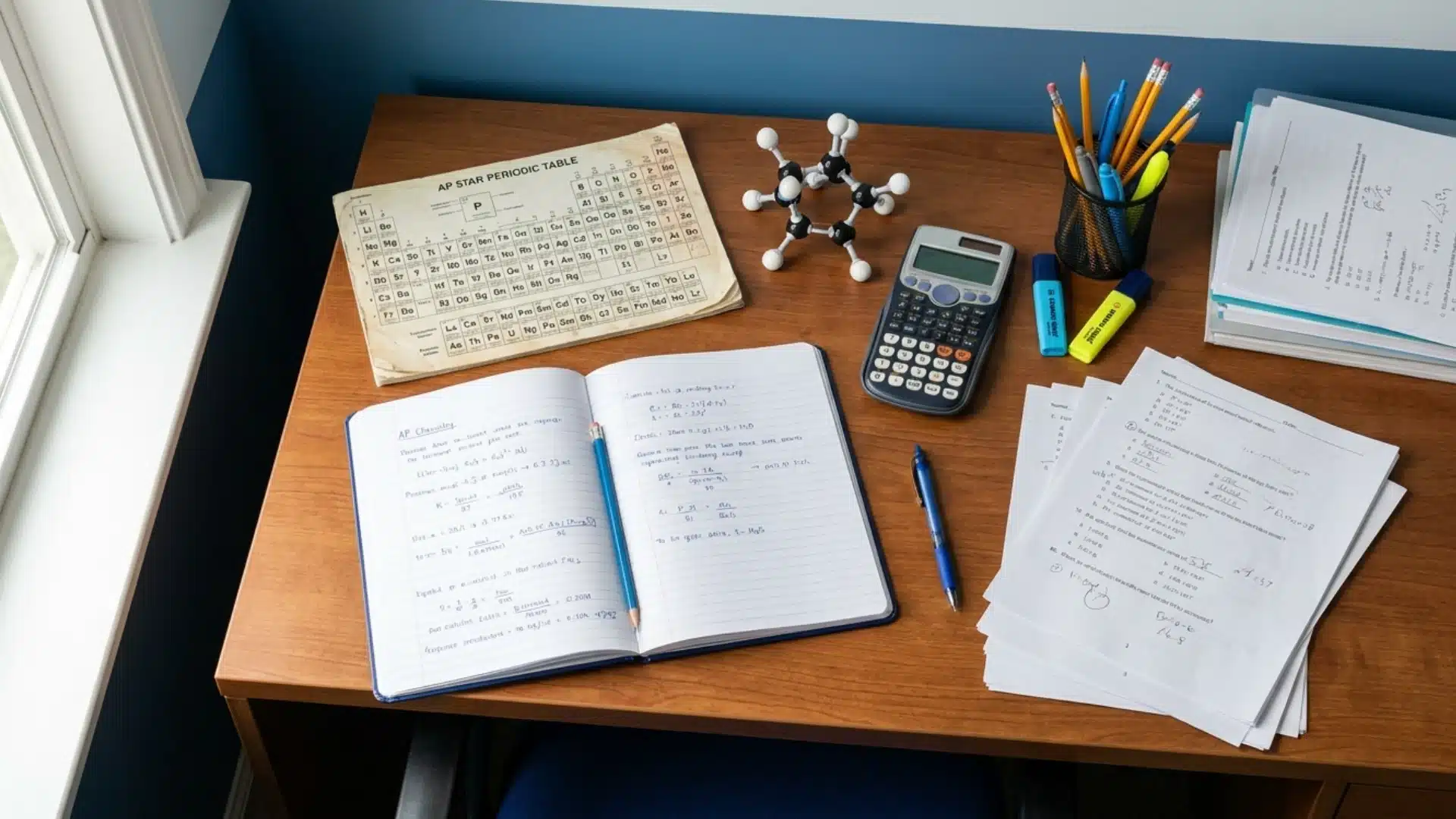
Your environment shapes your attention before you even begin. A cluttered desk gives your brain more to process. That leaves less energy for the actual task.
Cool tones like blue or green have been shown to help with focus. Keep your workspace clean and simple. Even keeping your room temperature within the optimal 18–22°C range can make a real difference.
6. Take Active Breaks Instead of Scrolling
Most people rest by reaching for their phone. But that keeps your brain stimulated instead of letting it recover. Your attention comes back weaker, not stronger.
An active break means engaging in physical or sensory activities. A short walk, some stretching, or making a cup of tea works well. Your brain gets the reset it actually needs.
7. Use a Focus Anchor to Build a Single-Tasking Habit
A focus anchor is a physical object you only use during deep work. It could be a pen, a notebook, or a specific mug. Over time, your brain links that object with focused work.
When you pick it up, your brain shifts into work mode faster. This builds a habit of focus without any app or tool.
Start with the one technique that feels most natural to you. Small, consistent steps are what genuinely move the needle over time.
Best Attention Span Exercises to Train Your Brain
Exercises do not have to feel like effort. The best ones are activities your brain actually enjoys doing.
| Exercise | What It Trains | Time Needed | Best For |
|---|---|---|---|
| Active listening drills | Focus and recall | 10 mins | Everyday conversations |
| Timed reading with recall | Sustained attention | 15 mins | All focus levels |
| Chess or puzzles | Deep strategic thinking | 20 mins | Building patience |
| Sketching from real life | Visual attention | 15 mins | Creative thinkers |
The flow ladder technique is worth trying on its own. Start with an easy warm-up task to get your brain going. Then gradually move to harder tasks as your focus builds naturally.
Apps like Elevate, Lumosity, and Peak offer short daily brain training sessions. They are not a magic fix, but help build a consistent, focused thinking habit.
Daily Micro-Habits That Quietly Destroy or Build Focus

Small daily choices shape your attention far more than big changes ever will. Habits that quietly build your focus:
- Avoid your phone for the first 30 minutes after waking up
- Drink water before coffee, as even mild dehydration affects mental sharpness
- Eat a light meal before deep work since heavy meals slow the brain down
- Write your top 3 tasks the night before to avoid morning decision overload
- Keep a consistent sleep and wake time, including weekends
And remember, one habit done consistently always beats ten habits done randomly.
Focus Apps That Make Staying Consistent Easier
Building better focus becomes easier when your environment actively supports your habits.
Here are some apps that can better support different parts of your focus routine:
- Routine and Planning: Structured, Tiimo, and Fabulous help organize daily routines without making planning feel overwhelming, especially for people dealing with task overload or forgetfulness.
- Reducing Distractions: Freedom, One Sec, and Forest limit phone checking and screen interruptions, helping you stay present with one task longer.
- Brain Training: Elevate and Peak support memory, recall, and mental sharpness through short daily exercises that fit easily into any schedule.
These tools cannot replace healthy habits, but they make building focus feel more manageable and less overwhelming over time.
Your 7-Day Focus Starter Plan
One technique per day. No overwhelm, no pressure, just steady progress.
| Day | Technique | Time Needed | What You Are Building |
|---|---|---|---|
| Day 1 | Single-sense anchoring | 5 mins | Present-moment awareness |
| Day 2 | Timed reading check | 10 mins | Recall and sustained focus |
| Day 3 | Active listening drill | 1 conversation | Social and verbal attention |
| Day 4 | Binaural beats session | 20 mins | Deep focus priming |
| Day 5 | Active break instead of scrolling | Throughout day | Attention recovery habit |
| Day 6 | Focus anchor setup | One full task | A personal focus trigger |
| Day 7 | Progressive focus block | 25 mins | Full attention, stamina practice |
By day seven, you will not have a perfect attention span. But you will have proof that yours can improve. That proof is what keeps you going.
Frequently Asked Questions
Can Exercise Help Improve Attention Span?
Yes, regular physical activity can improve focus by increasing blood flow and oxygen to the brain. Even short walks or light exercise sessions can help reduce mental fatigue and improve concentration over time.
Does Music Help People Focus Better?
Certain types of music, especially instrumental or low-distraction sounds, may help reduce background noise and improve concentration. However, music with lyrics can sometimes compete with your brain’s attention during deeper tasks.
Can Meditation Improve A Short Attention Span?
Meditation helps train your brain to return attention to the present moment. Consistent mindfulness practice may improve mental control, reduce distractions, and naturally strengthen long-term focus habits.
How Long Does It Take To Increase Attention Span?
Improving focus usually takes consistent daily practice rather than quick fixes. Many people notice small changes within a few weeks when they reduce distractions and regularly follow healthier focus habits.
Can Diet Affect Focus And Concentration?
Yes, your brain depends on proper nutrition to stay mentally sharp. Poor hydration, heavy meals, and excess sugar may reduce concentration, while balanced meals support better attention and mental clarity.
Final Words
You do not need a perfect setup or a completely free schedule to start improving your attention. Learning how to increase attention span starts with small, consistent actions repeated daily.
The truth is, attention is a skill just like any other. It responds to practice, repetition, and patience. Even five focused minutes a day is a genuine starting point.
A short attention span is not a life sentence. It is a starting point. Pick one technique from this blog, use it today, and build from there.
Which focus habit are you planning to try first? Don’t forget to tell in the comments.