
Many healthcare coders spend months wondering if the CCS certification is really worth the effort.
They study hard, sit for the exam, and still feel unsure about where to start.
The right preparation makes all the difference. This certification is one of the most respected credentials in medical coding, and it can open real doors in your career.
This blog breaks down the eligibility requirements and shares practical exam tips to help you feel ready and confident on test day.
So if coding is your career path, keep reading.
What is CCS?
The CCS, or Certified Coding Specialist, is a credential offered by AHIMA. It proves that a medical coder has the skills to assign accurate codes for diagnoses and procedures.
These codes are used in hospitals and healthcare facilities for billing and record-keeping.
Earning this credential shows employers that you know your way around ICD-10-CM, ICD-10-PCS, and CPT coding systems. It is mostly suited for coders who work in inpatient hospital settings.
The exam tests both technical coding knowledge and the ability to handle real patient records. For anyone serious about building a strong career in medical coding, the CCS certification is a solid step forward.
Eligibility Requirements for CCS
Before you register for the exam, it helps to know if you qualify. Here is a quick look at the eligibility criteria.
- No Formal Education Requirement: AHIMA does not require a specific degree to sit for the exam.
- Coding Experience: Hands-on medical coding experience is strongly recommended, though not mandatory.
- Knowledge of Code Sets: You should be familiar with ICD-10-CM, ICD-10-PCS, and CPT coding systems.
- AHIMA Membership: Members get a discounted exam fee, but membership is not required to apply.
- Application Submission: You must submit a completed application through the AHIMA website before scheduling your test.
CCS Exam Overview
Knowing what to expect on exam day can help you prepare better. Here is a quick breakdown of the CCS exam structure.
| Exam Detail | Information |
|---|---|
| Exam Format | Computer-based test |
| Number of Questions | 97 questions |
| Question Types | Multiple choice and medical record coding |
| Time Allowed | 4 hours |
| Coding Systems Tested | ICD-10-CM, ICD-10-PCS, CPT |
| Passing Score | 300 out of 400 |
| Exam Fee | Varies for AHIMA members and non-members |
| Result Delivery | Provided at the end of the test |
Proven Exam Tips and Preparation Strategies
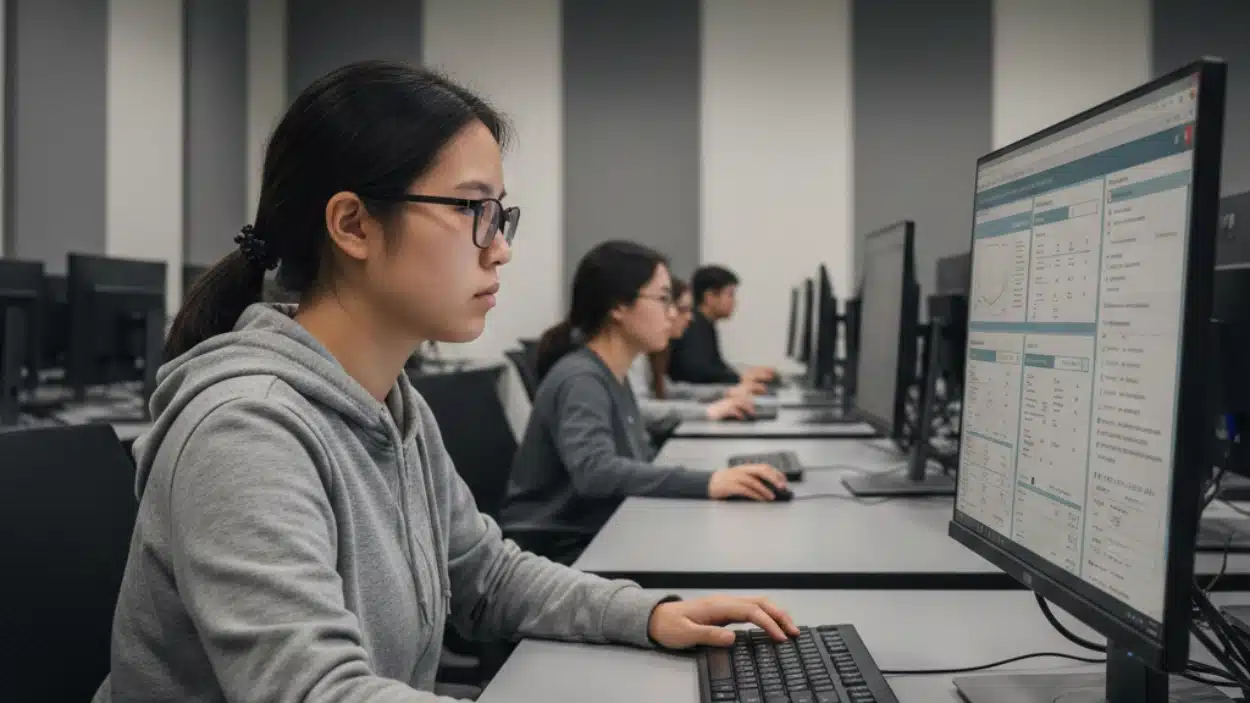
Preparing well is half the battle. These tips can help you walk into the exam feeling ready and calm.
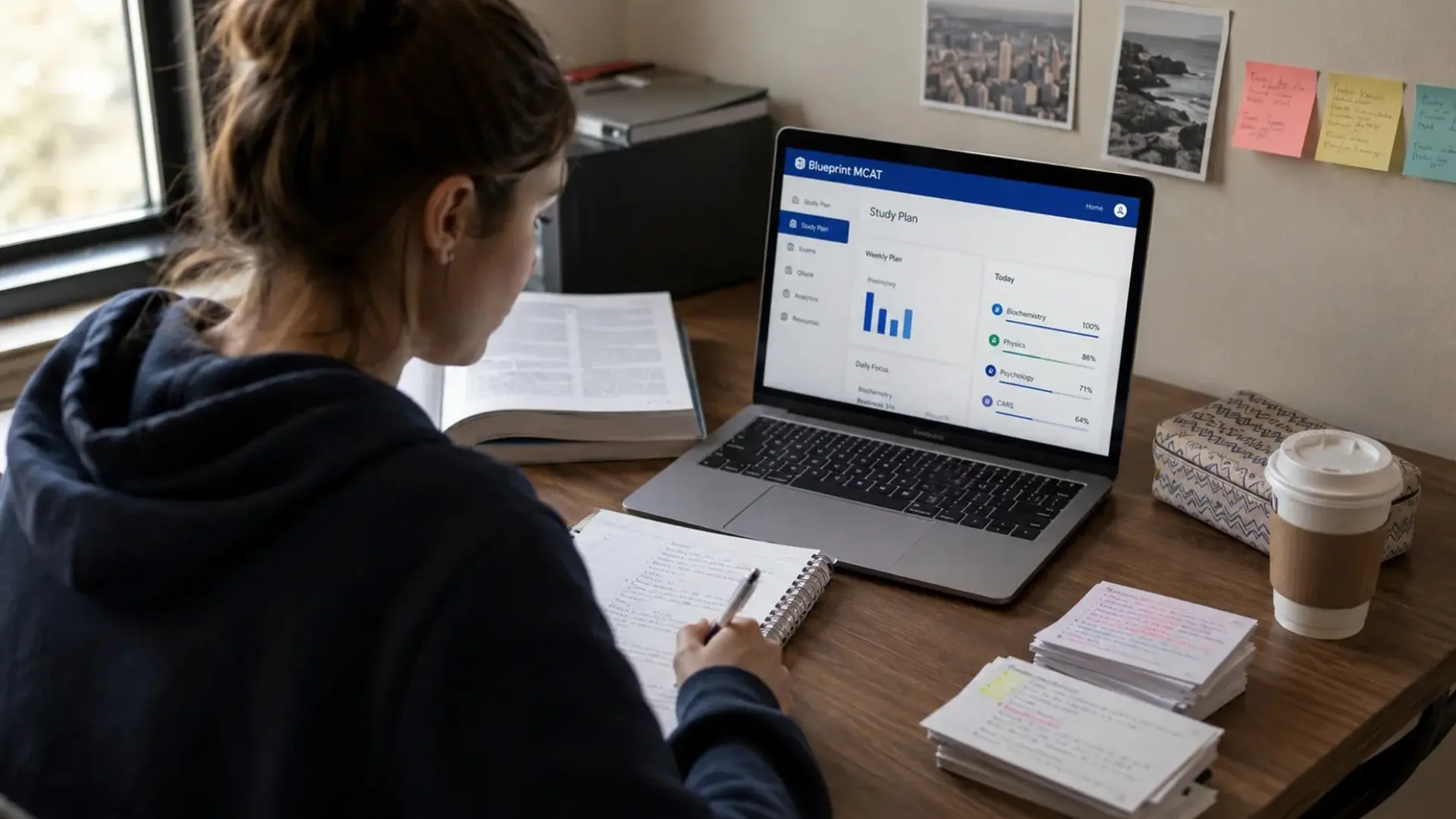
1. Build a Study Schedule
Set aside dedicated study time each week. Consistency matters more than cramming.
2. Practice with Real Medical Records
The exam includes actual coding scenarios. Get comfortable working through patient records regularly.
3. Focus on High-Yield Code Sets
Spend extra time on ICD-10-CM and ICD-10-PCS, as these carry significant weight in the exam.
4. Use Official AHIMA Practice Exams
Timed mock tests help you get used to the exam format and manage your time better.
5. Review Coding Guidelines Thoroughly
Do not skip the official guidelines. Many questions test your knowledge of the rules behind the codes.
Best Resources for CCS Certification Preparation
Choosing the right study materials can make your preparation much smoother.
AHIMA’s official CCS exam preparation resources are a great starting point. They include study guides, practice questions, and coding workbooks built around the actual exam content.
The AHIMA online community also connects you with other coders who are preparing for the same test. Beyond that, many coders find value in medical coding textbooks that cover ICD-10 and CPT in detail.
YouTube channels and coding forums can also fill in the gaps. Free practice questions are also available on several coding websites.
Pick resources that match your learning style and stick with them throughout your preparation.
CCS vs CPC vs Other Certifications
Not all coding certifications are the same. Here is a simple comparison to help you understand how the CCS stacks up against other popular options.
| Feature | CCS | CPC | CCSP | CCA |
|---|---|---|---|---|
| Offered By | AHIMA | AAPC | AHIMA | AHIMA |
| Best For | Inpatient hospital coding | Physician/outpatient coding | Coding supervision roles | Entry-level coders |
| Code Sets Covered | ICD-10-CM, ICD-10-PCS, CPT | ICD-10-CM, CPT, HCPCS | ICD-10-CM, ICD-10-PCS, CPT | ICD-10-CM, CPT |
| Experience Needed | Recommended | Recommended | Required | Not required |
| Exam Format | Computer-based | Computer-based | Computer-based | Computer-based |
| Difficulty Level | Advanced | Intermediate | Advanced | Beginner |
| Ideal Work Setting | Hospitals | Clinics and physician offices | supervisory coding roles | Entry-level positions |
Final Thoughts
The CCS certification is a strong credential for anyone looking to grow in medical coding.
It tests real skills and carries weight with employers across healthcare settings. Start by checking your eligibility, get familiar with the exam format, and build a study plan that works for you.
Use trusted resources and practice as much as you can. The effort you put in now will pay off once you hold that credential.
Ready to take the next step? Head over to the AHIMA website and get your application started today.